Take a look at our
Upcoming Events
With Inclusive Change
We host events in our local community in partnership with Inclusive Change At Work CIC. Take a look at the list below to find out whats on.
Our online events are designed to inform and educate. We have a range of free and on demand events online.
Our team are experienced speakers and can be booked to educate and entertain at your next event - get in touch to find out how we can help.
Important Dates in our Calendar

June 2026
16th - Neurodiversity Pride Day 🌈, National events
15th-21st - Learning Disability Week, National events
July 2026
All Month - Disability Pride Month 🌈, National events
Re-Visit our Past Events
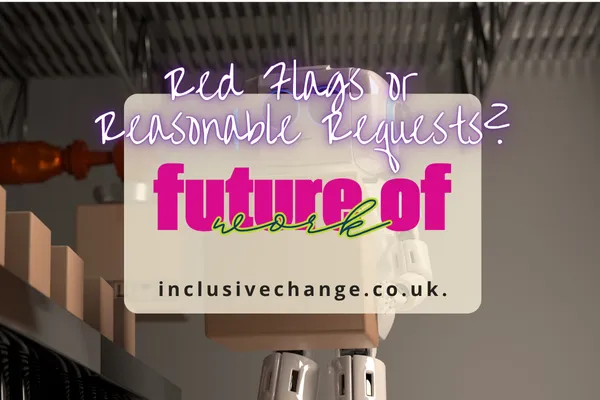
BSides Bristol - 5th & 6th September
Lucy Smith joined day one of BSides Bristol as she explored the future of work – spotting red flags, recognising reasonable requests, and reframing adjustments as smart strategies for building high-performing, future-ready cyber teams.
Click on the button below to access Lucy's top ten tips for inclusive recruitment.
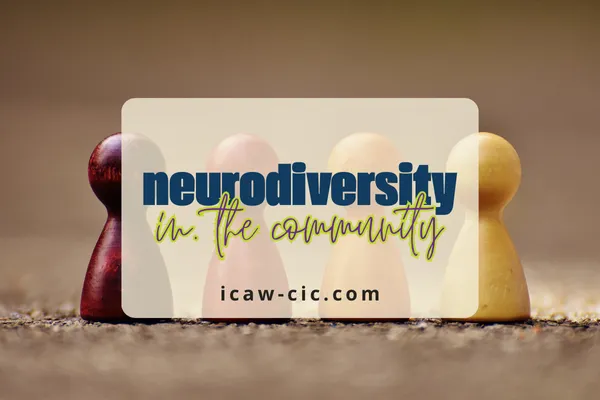
Inclusive Change at Work - In the Community
From January to March 2025, our sister community interest company, Inclusive Change at Work CIC, hosted transformative workshops to promote understanding and inclusion for neurodivergent individuals and their families.
We gathered at Emersons Green Village Hall for expert-led sessions that offered practical strategies and a welcoming space for learning and growth.
Visit our recap page for more information about the sessions plus useful links and articles.

Building the Future of Work, Together
Throughout 2024 and early 2025, we hosted a series of live webinars and in-person workshops focused on supporting neurodiverse and disabled young people in the workplace. These sessions helped businesses understand the value of neurodivergent talent, while also offering guidance to parents and carers on career opportunities and support for their young adults.
You can catch up on everything via our recap pages - watch the recordings, explore helpful articles, and grab some free resources too.
Our Event Blog - Where we've been, what we've learned
Sharing our experiences, insights, and standout moments from industry events
Managers are not Therapists
Managers are not therapists - but modern leadership does require something different
One concern that came up repeatedly after our Supporting Parents Lunch and Learn was this: managers are overwhelmed too. And that is true.
Many managers are trying to support their teams, deliver against targets, manage organisational change, maintain morale, navigate legal risk, and hold wellbeing conversations often while carrying their own caring responsibilities outside of work. So when we talk about supporting parents of neurodivergent children in the workplace, it is important to say clearly: managers are not therapists. They should not become counsellors, social workers, or substitute crisis teams.
But modern leadership does increasingly require something different from traditional line management.
What modern leadership actually asks for
The role of the manager in a complex, human-centred workplace has shifted. The most effective leaders today are less focused on performance oversight and more focused on reducing friction, creating psychological safety, and helping people navigate systems. That means being a facilitator, a connector, a stabiliser, and at time, a translator between what an employee is experiencing and what the organisation needs to understand.
It means reducing unnecessary complexity. Creating predictability where possible. Holding supportive conversations without needing to have all the answers. Signposting help. Responding consistently. And being willing to say, without any fanfare: 'You do not have to navigate this alone.' That is not therapy. It is human leadership. And there is an important distinction.
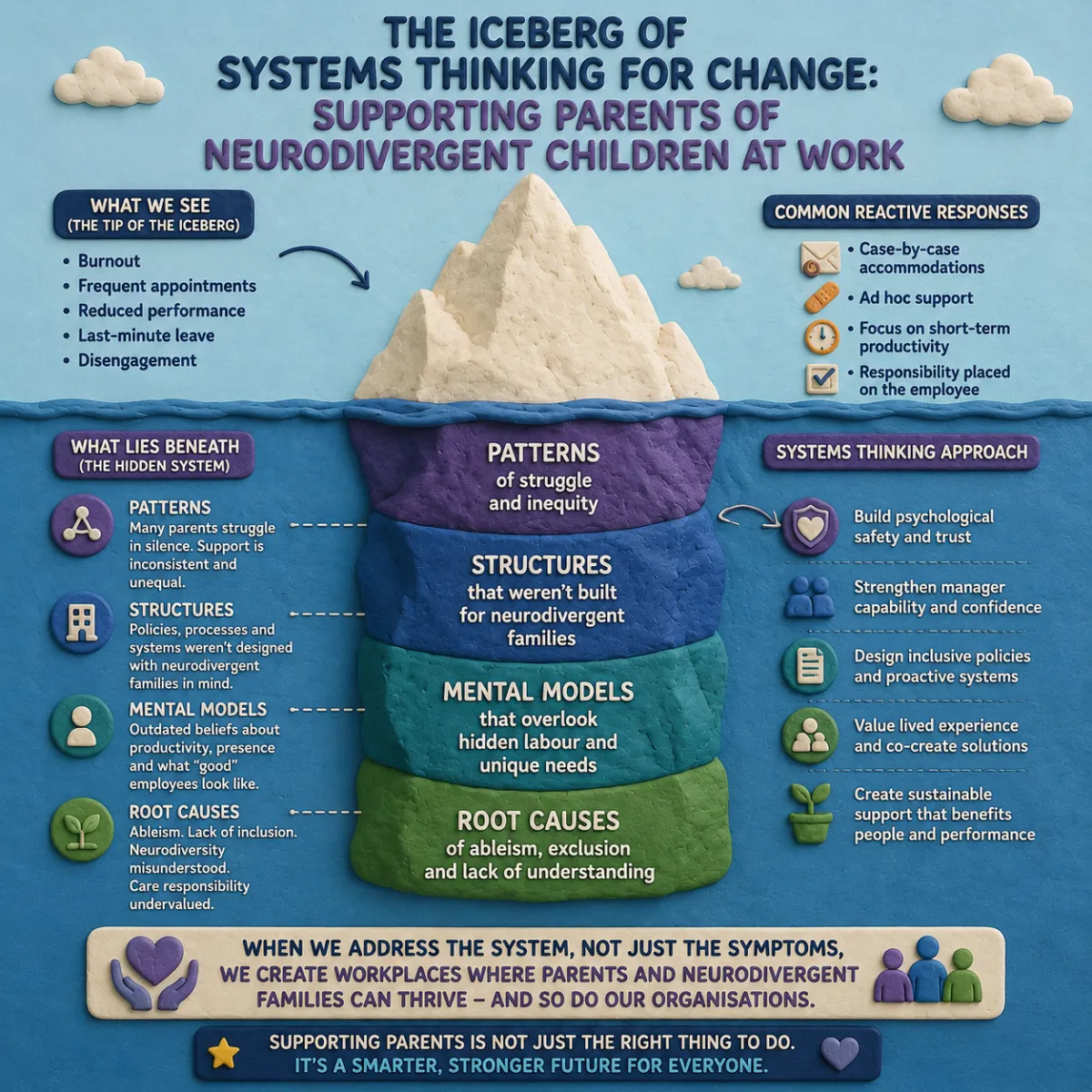
Where the iceberg meets the manager
Systems thinking helps us understand why manager goodwill alone is never enough. When organisations rely on individual managers to improvise support without frameworks, they are operating at the event level of the iceberg, reacting to visible moments of difficulty without addressing the structures underneath that generate those moments in the first place.
The structures that actually determine whether a manager can support their team well include: access to training on neurodiversity and reasonable adjustments, clear escalation pathways, psychological safety within their own management relationships, and workloads that leave space for human conversations. When those structures are absent, even the most willing manager will eventually run out of road.
Framework note: underlying structures
Managers hold the boundary between mental models and lived experience. Training them without changing the structures around them - workload, policy, escalation routes - leaves them exposed and your employees underserved.
The training gap nobody is talking about
One of the biggest mistakes organisations make is expecting managers to 'just know' how to do this. Most have never received meaningful training in neurodiversity, in supporting employees with caring responsibilities, in recognising burnout before it becomes absence, or in having psychologically safe conversations about capacity and adjustments.
They have often received training in performance management, appraisal processes, and HR procedures. But the skills required to support a team member who is managing an EHCP appeal, navigating a child's school crisis, or holding together an ageing parent's care package, while also delivering a project, are not the same skills. The gap between what managers are equipped to do and what they are being asked to do is exactly where many workplace problems emerge.
The burden of goodwill
When organisations rely on individual manager goodwill rather than systemic support, they create a fragile and inconsistent environment. Some employees are well supported. Others fall through the gaps depending on who they happen to report to. Some managers carry far more than they should, quietly absorbing the emotional weight of their team without any scaffolding of their own.
The organisations getting this right are not relying on heroic individuals. They are building systems around their managers: clear frameworks, escalation pathways, peer support structures, coaching access, practical guidance on neurodiversity and reasonable adjustments, and cultures where asking for help is normalised rather than penalised.
Designing for everyone in the system
If we genuinely want to build the future of work, we need to stop imagining that leadership is simply about performance management and productivity metrics. Modern leadership increasingly means helping human beings navigate complexity safely, and doing that well requires investment in the people doing the leading, not just the people being led.
Organisations that take this seriously will have managers who feel equipped and confident. Employees who feel seen and supported. Retention data that reflects genuine inclusion rather than surface-level wellbeing. And a workplace that is genuinely built for the world people are actually living in.
P.S.
If you are a manager who wants to feel more confident navigating these conversations, or an organisation looking to build better systems around your leadership team, Inclusive Change offers tailored training, mentoring, and consultancy. We work with managers, HR professionals, and senior leaders across a range of sectors. Get in touch at [email protected] to find out more.
Free Resources - Short Courses & Webinars
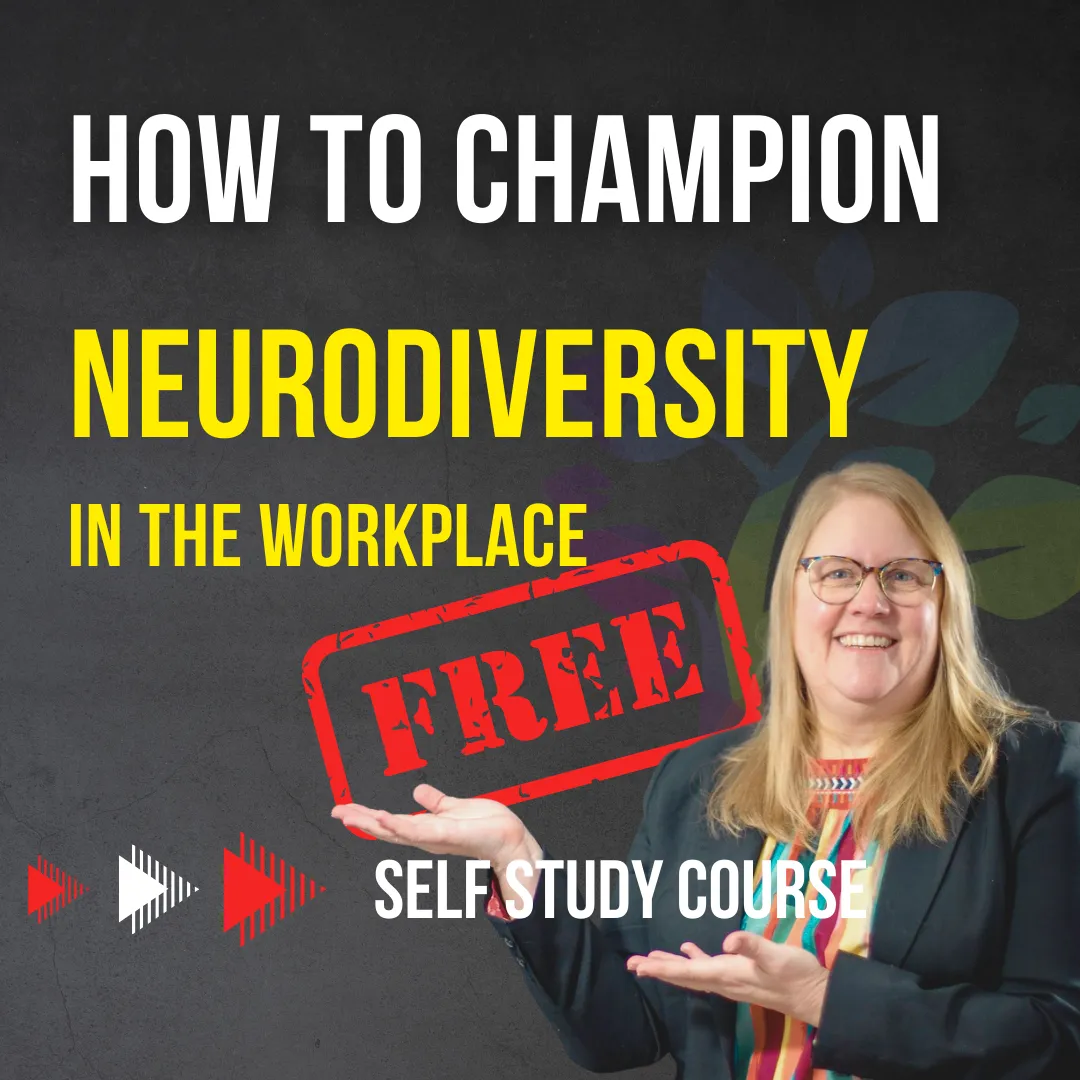
Free Course
How to champion neurodiversity in the workplace

Free Taster Course
Inclusive Fitness -
Taster
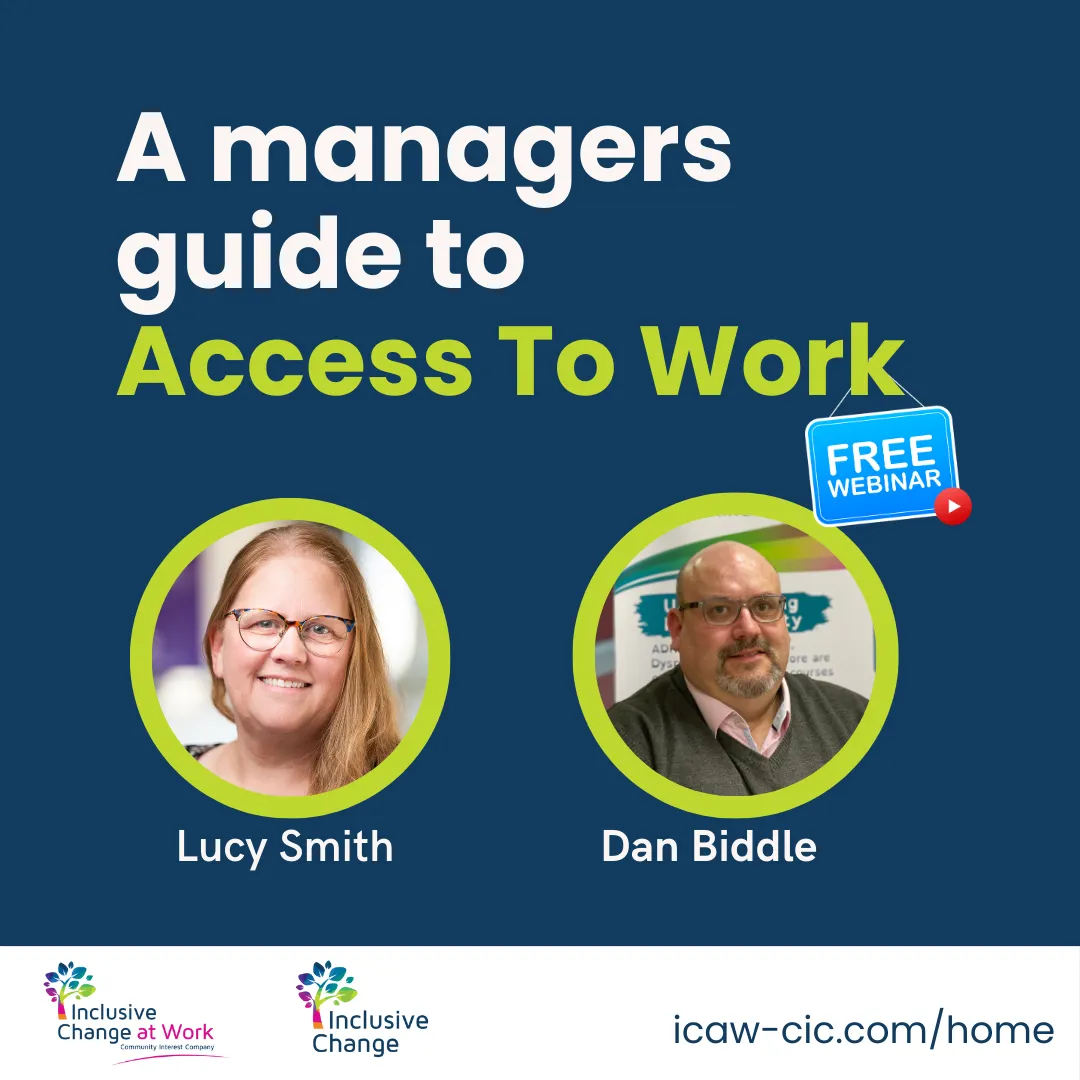
Free Webinar
Access To Work - A managers Guide
Free E-Book
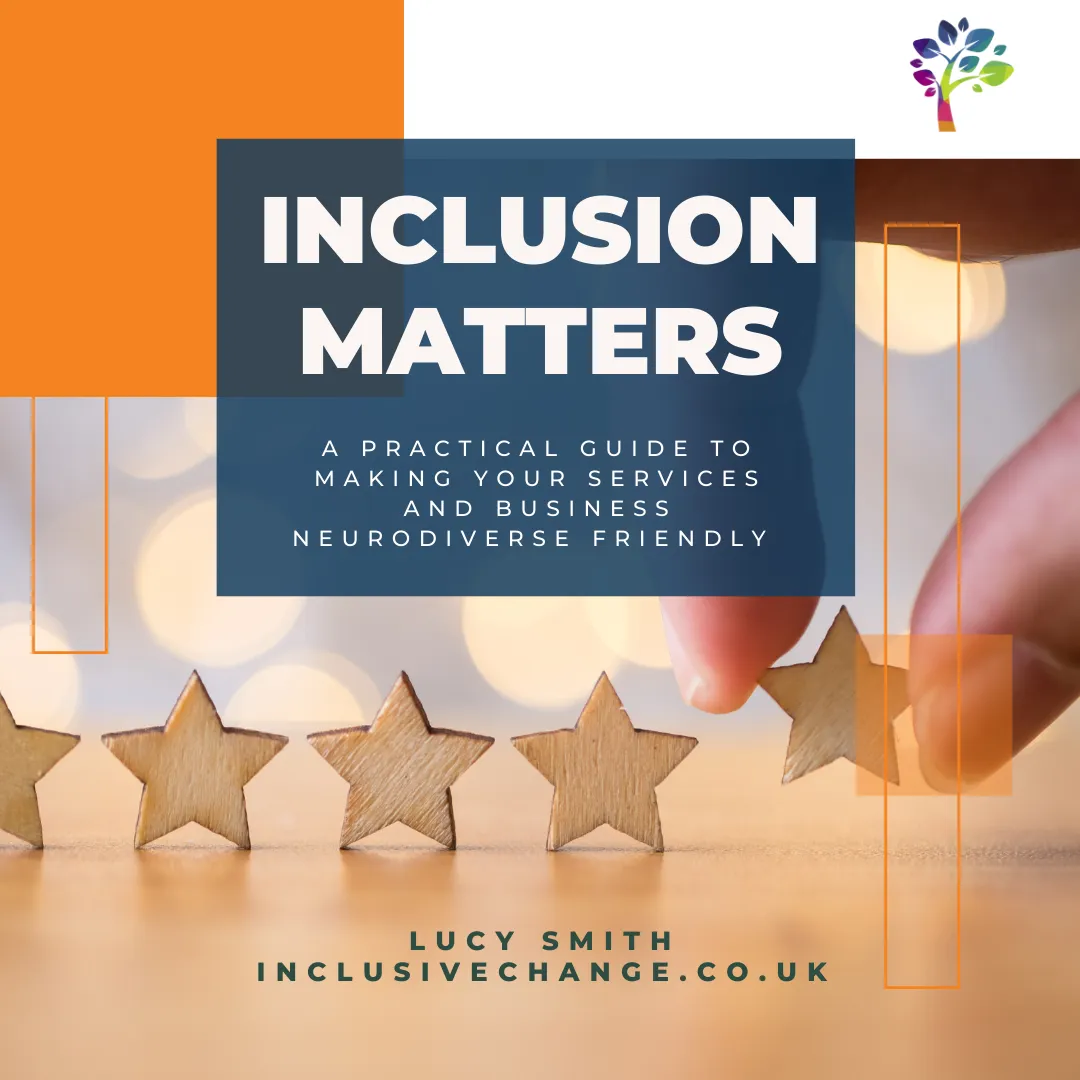
Inclusion Matters
Free Course
Simplify your
digital life
Free Webinar
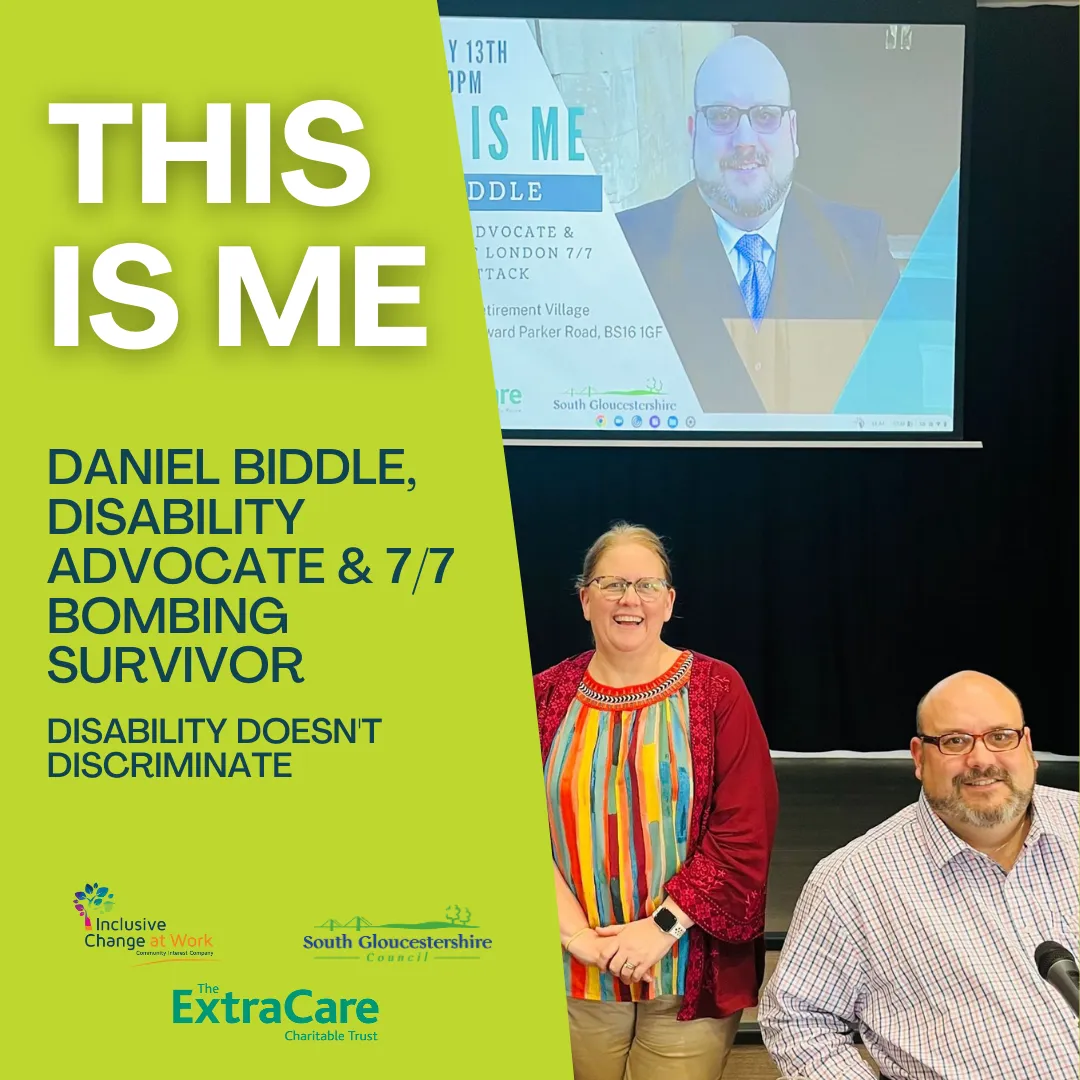
This is me
Free Webinar
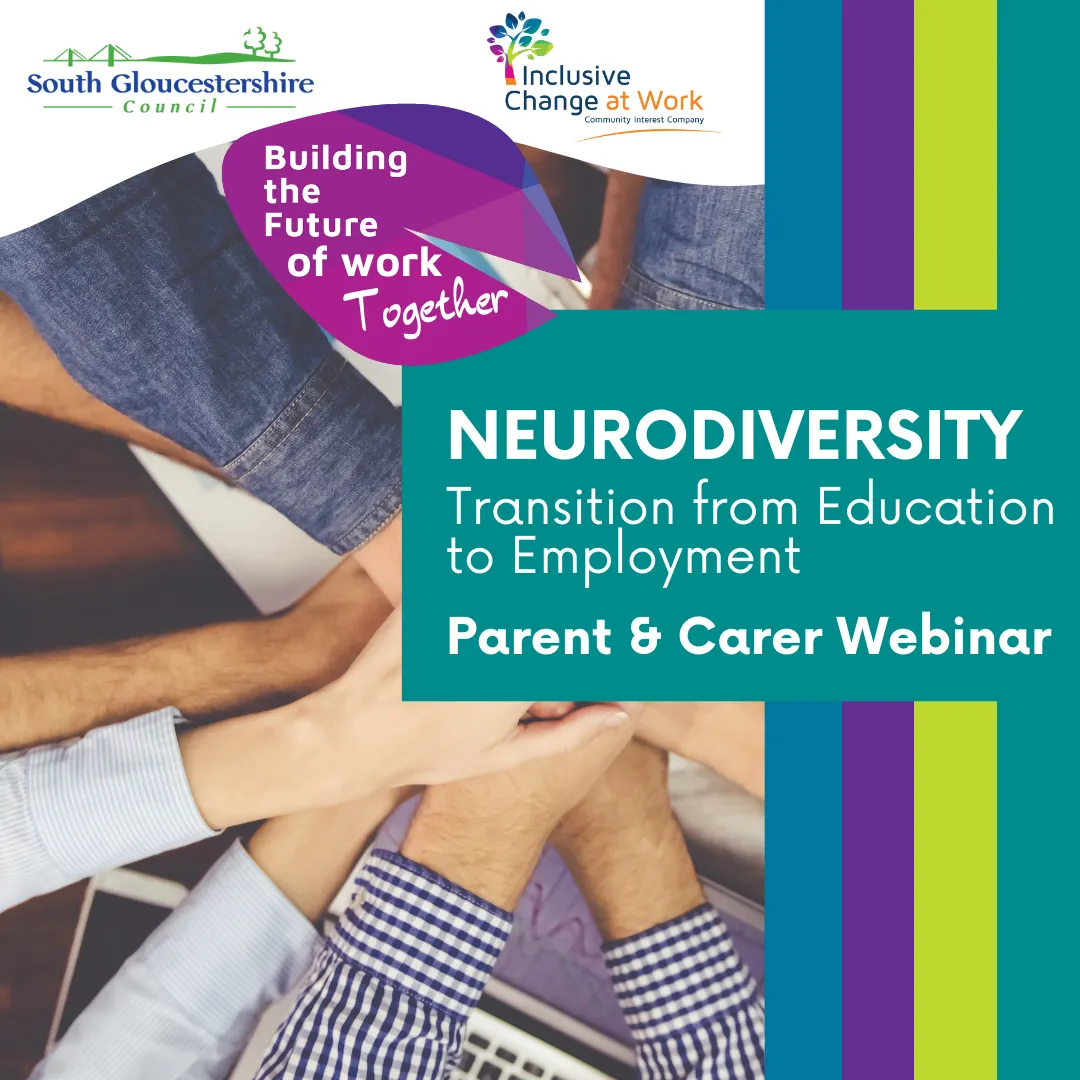
Building the future of work - Careers for young people
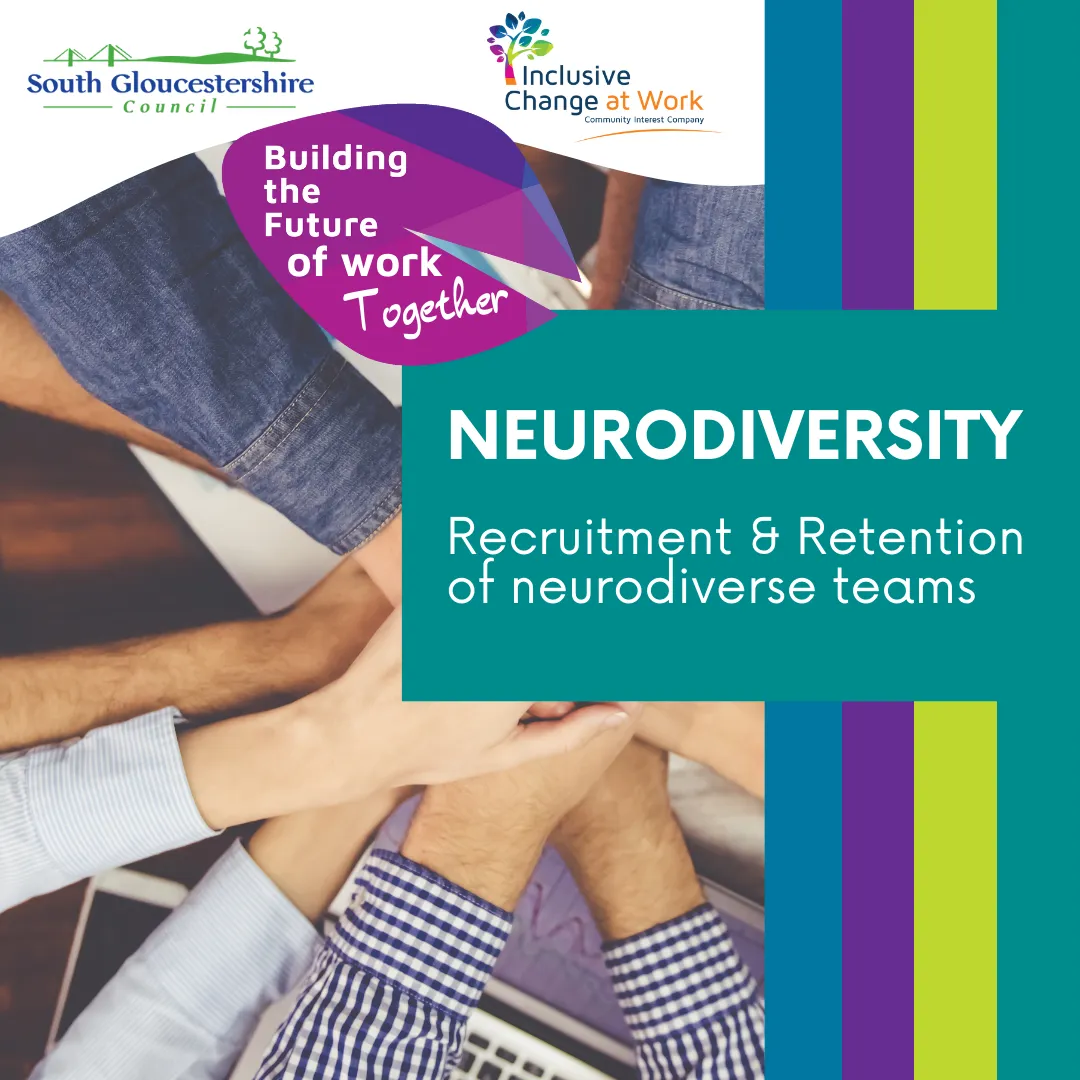
Free Webinar
Building the future of work - Recruitment & Retention
Want easy access to all of our free resources? Click on the link below to register and you will get access to all of our free stuff in one place.
We are always adding and updating the list and will notify you when we drop new content.




Inclusive Change Ltd
The Brightwell, Bradbury House
Wheatfield Drive
Bradley Stoke, Bristol
BS329DB
Companies House: 12412464
VAT NO: 352 1564 17
ICO Reg: ZB081779
UK Register of Learning Providers: 10090652
Reg no: 12412464