
Take a look at our
Upcoming Events
With Inclusive Change

We host events in our local community in partnership with Inclusive Change At Work CIC. Take a look at the list below to find out whats on.
Our online events are designed to inform and educate. We have a range of free and on demand events online.
Our team are experienced speakers and can be booked to educate and entertain at your next event - get in touch to find out how we can help.
Important Dates in our Calendar

June 2026
16th - Neurodiversity Pride Day 🌈, National events
15th-21st - Learning Disability Week, National events
July 2026
All Month - Disability Pride Month 🌈, National events
Re-Visit our Past Events
BSides Bristol - 5th & 6th September
Lucy Smith joined day one of BSides Bristol as she explored the future of work – spotting red flags, recognising reasonable requests, and reframing adjustments as smart strategies for building high-performing, future-ready cyber teams.
Click on the button below to access Lucy's top ten tips for inclusive recruitment.
Inclusive Change at Work - In the Community
From January to March 2025, our sister community interest company, Inclusive Change at Work CIC, hosted transformative workshops to promote understanding and inclusion for neurodivergent individuals and their families.
We gathered at Emersons Green Village Hall for expert-led sessions that offered practical strategies and a welcoming space for learning and growth.
Visit our recap page for more information about the sessions plus useful links and articles.

Building the Future of Work, Together
Throughout 2024 and early 2025, we hosted a series of live webinars and in-person workshops focused on supporting neurodiverse and disabled young people in the workplace. These sessions helped businesses understand the value of neurodivergent talent, while also offering guidance to parents and carers on career opportunities and support for their young adults.
You can catch up on everything via our recap pages - watch the recordings, explore helpful articles, and grab some free resources too.
Our Event Blog - Where we've been, what we've learned
Sharing our experiences, insights, and standout moments from industry events

Reasonable Adjustments for Neurodivergent Employees: Practical Workplace Support
Reasonable Adjustments for Neurodivergent Employees: Practical Examples That Actually Help
Reasonable adjustments are one of the most talked about parts of workplace neurodiversity, but also one of the most misunderstood.
Many employers genuinely want to support neurodivergent employees, yet still feel unsure about:
what adjustments actually look like in practice
what is considered “reasonable”
how to balance support with performance and accountability
where to start without overcomplicating things
The reality is, most neurodivergent employees do not need huge workplace changes. Often, the biggest difference comes from small practical adjustments that reduce unnecessary pressure, confusion or overwhelm.
The challenge is knowing which adjustments will actually help.
At Inclusive Change, we regularly work with organisations where behaviours are being misunderstood, support conversations feel uncomfortable, or managers are unsure whether they are dealing with a performance issue or an unmet need.
That uncertainty can lead to frustration on all sides.
What Are Reasonable Adjustments?
Reasonable adjustments are changes made to reduce barriers at work for disabled employees, including many neurodivergent employees.
In practice, this could relate to:
communication
workload management
workplace environments
meetings
processing information
flexibility
routines and transitions
The important thing is that adjustments should relate to the actual barriers someone is experiencing at work, not assumptions about a diagnosis.
Why Adjustments Matter
Without the right support, small workplace difficulties can quickly become larger issues.
What might initially look like:
disengagement
missed deadlines
poor communication
forgetfulness
resistance to change
emotional reactions under pressure
These signals may actually be signs that someone is struggling with unclear expectations, sensory overwhelm, competing demands or workplace stress.
This is where many managers lose confidence. They want to support staff fairly, but they also need teams to perform effectively.
That is why practical conversations matter.
The Most Effective Adjustments Are Often Simple
Many workplace adjustments are low-cost and straightforward to implement.
Sometimes, small changes to communication, structure or the working environment can make a significant difference to:
focus
consistency
wellbeing
confidence
reliability
team relationships
The difficulty is not usually finding adjustments. It is knowing:
when support is appropriate
how to start the conversation
what questions to ask
how to avoid making assumptions
how to review whether adjustments are actually helping
One Size Does Not Fit All
There is no universal list of adjustments that works for every neurodivergent employee.
Two people with the same diagnosis may need completely different support.
That is why effective workplaces move away from labels alone and focus instead on:
the work itself
the barriers someone is facing
what practical changes may help reduce friction
The most successful organisations build manager confidence so conversations feel supportive, clear and workable, rather than awkward or reactive.
Moving From Awareness to Action
Understanding neurodiversity is one thing. Applying it in everyday management situations is something else entirely.
Our workshop, Red Flags or Reasonable Adjustment?, helps organisations move beyond awareness and into practical action.
The session explores:
how workplace behaviours are often misread
when a “red flag” may actually indicate unmet needs
how to approach adjustment conversations confidently
practical ways to reduce pressure and improve reliability
how to create fair, workable support without lowering standards
Participants leave with practical frameworks, realistic workplace examples and tools they can apply immediately in day-to-day management conversations.
The workshop is suitable for:
managers
HR teams
people leaders
occupational health teams
organisations wanting to build healthier, high-performing teams
Available online or in person.
Find Out More
To learn more about the course:
Or contact us to discuss tailored workplace neurodiversity training for your organisation.

Free Resources - Short Courses & Webinars
Free Course
How to champion neurodiversity in the workplace
Free Taster Course
Inclusive Fitness -
Taster
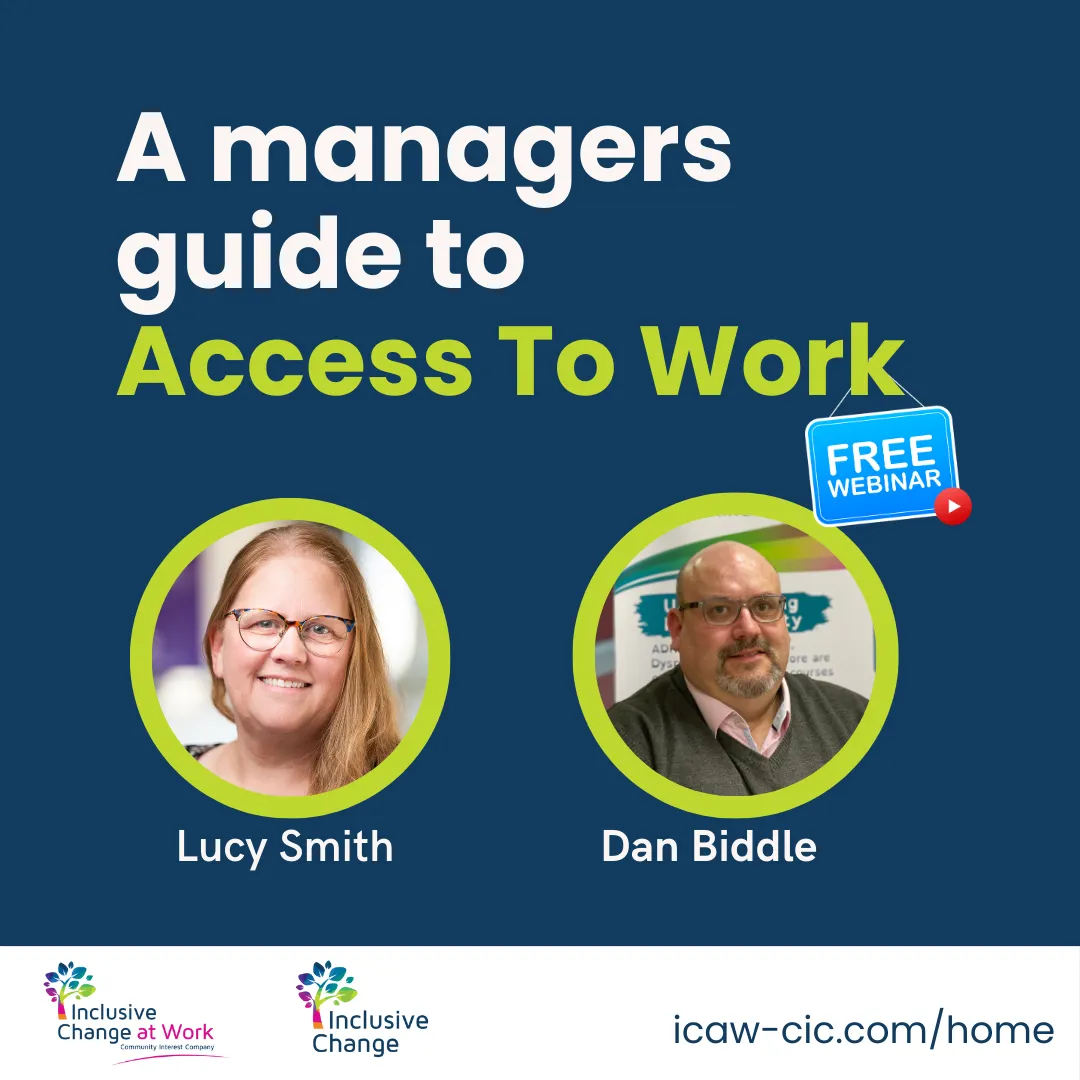
Free Webinar
Access To Work - A managers Guide
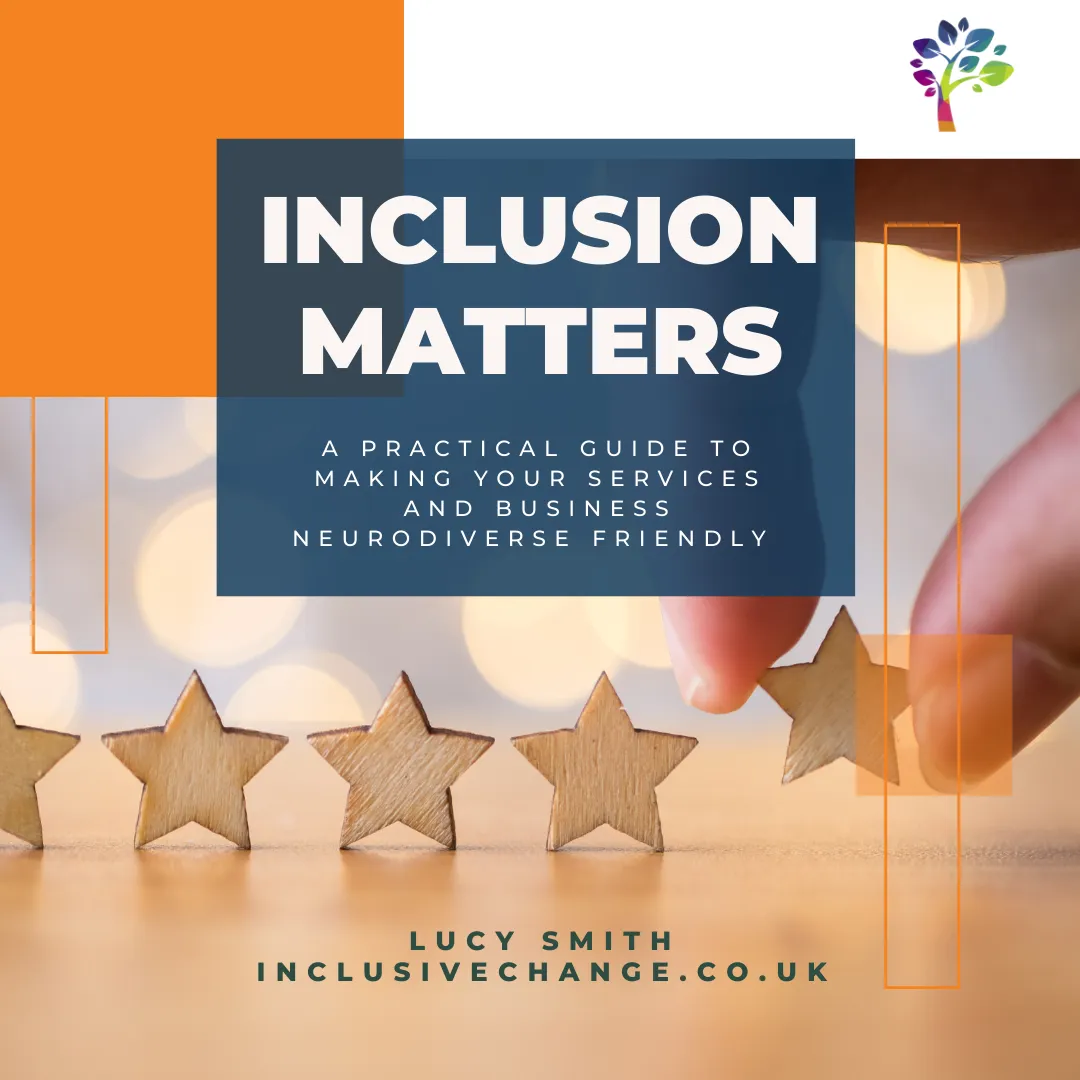
Free E-Book
Inclusion Matters
Free Course
Simplify your
digital life
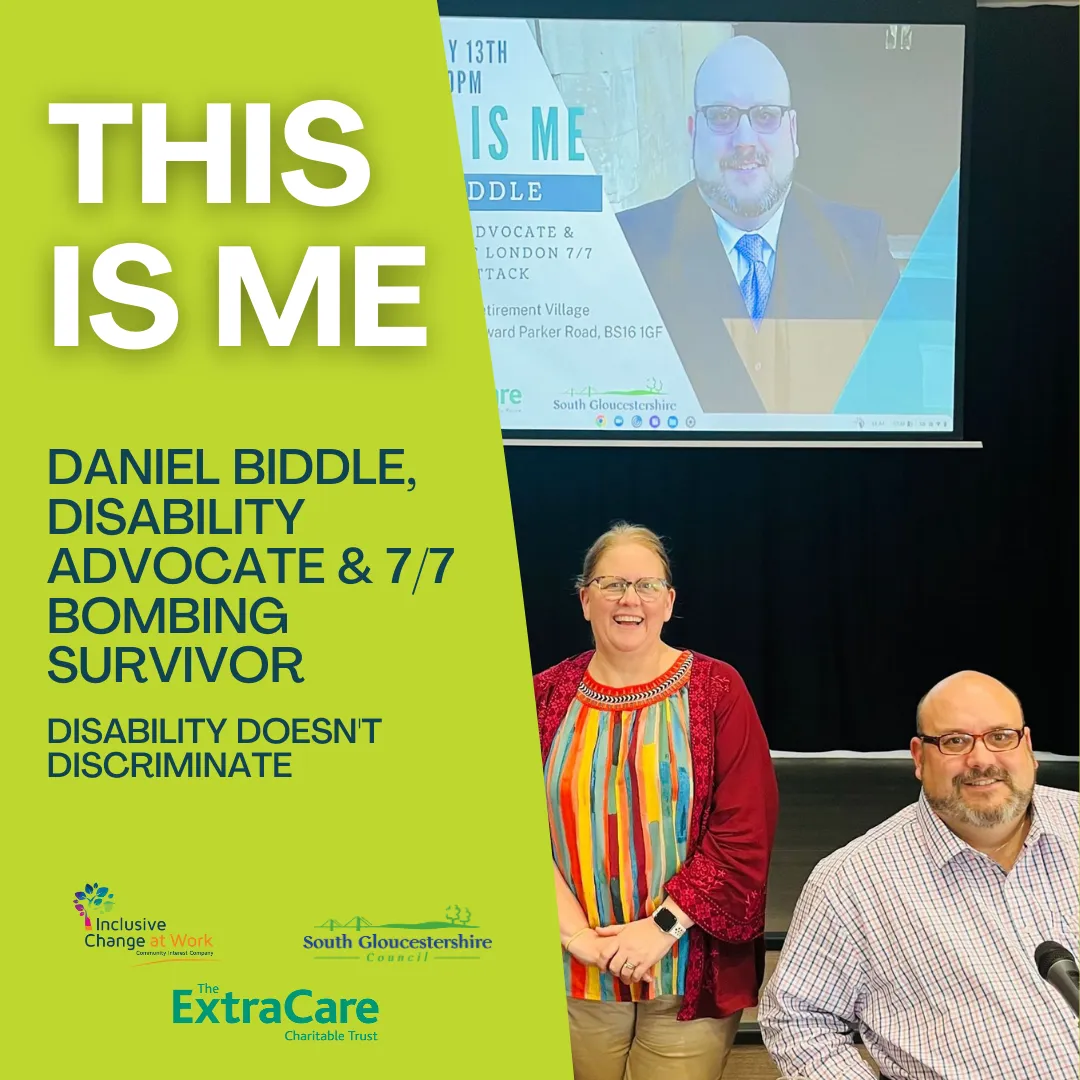
Free Webinar
This is me
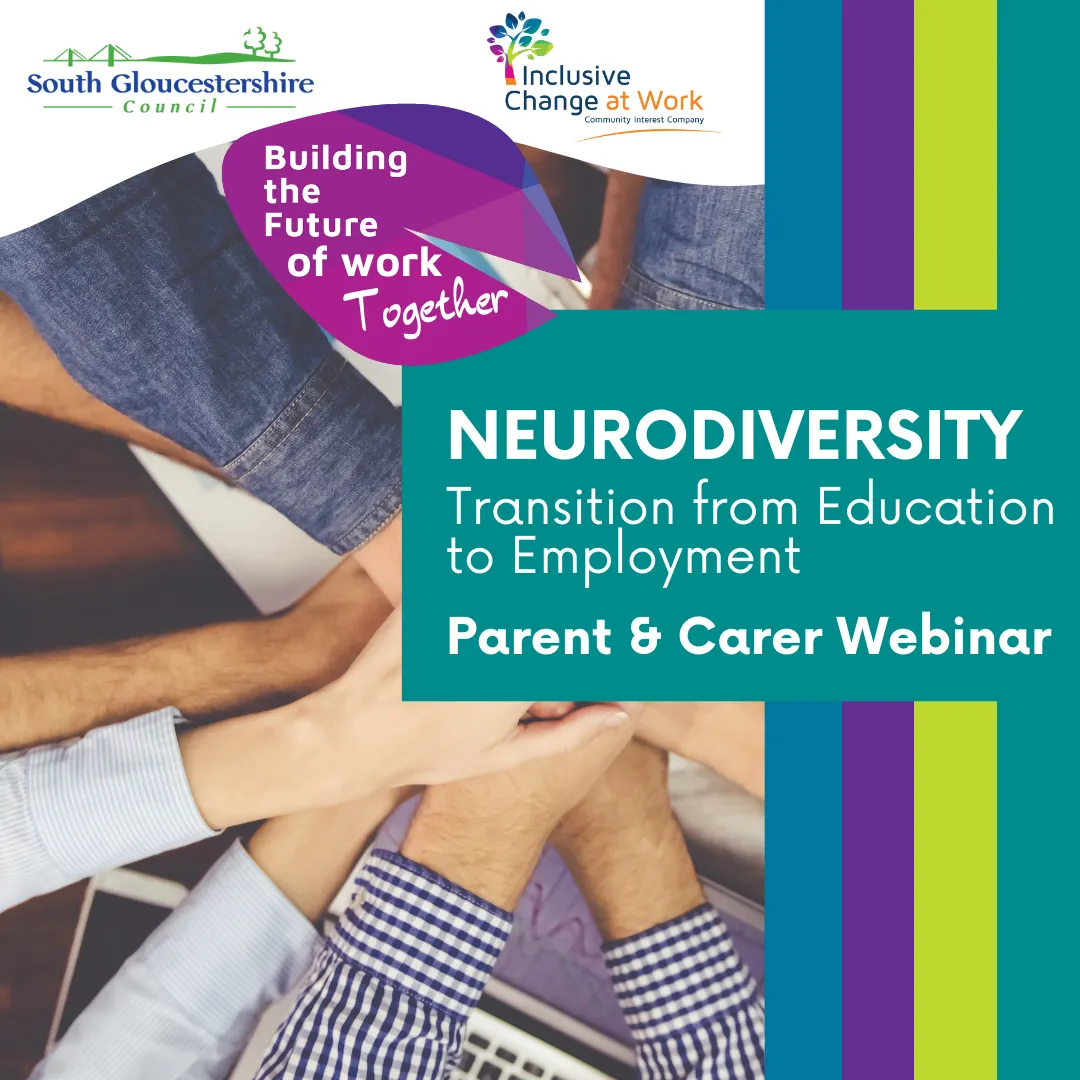
Free Webinar
Building the future of work - Careers for young people
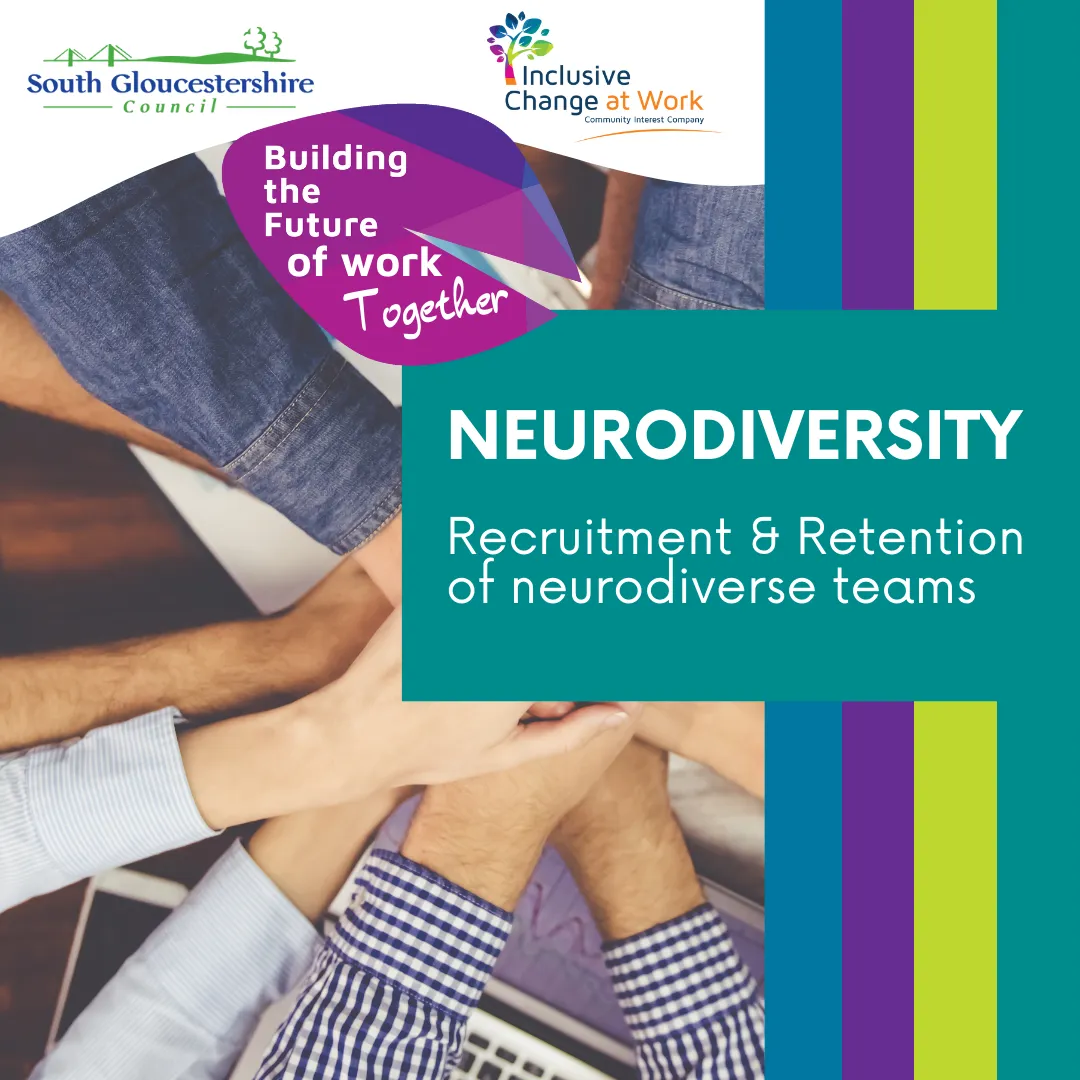
Free Webinar
Building the future of work - Recruitment & Retention
Want easy access to all of our free resources? Click on the link below to register and you will get access to all of our free stuff in one place.
We are always adding and updating the list and will notify you when we drop new content.




Inclusive Change Ltd
The Brightwell, Bradbury House
Wheatfield Drive
Bradley Stoke, Bristol
BS329DB
Companies House: 12412464
VAT NO: 352 1564 17
ICO Reg: ZB081779
UK Register of Learning Providers: 10090652
Reg no: 12412464