Workforce transformation consultancy
The organisations that thrive tomorrow are building differently today.
Inclusive Change helps organisations navigate change, develop inclusive leaders and create high-performing workplaces through practical consultancy, neurodiversity expertise and evidence-based change management. We partner with organisations across the public, private and third sectors to build leadership capability, strengthen workplace culture and deliver lasting organisational change.
Change Management, Inclusive Leadership and Neurodiversity for UK Organisations
Working with Local Authorities, Higher Education, Cyber, Technology and professional services organisations across the UK




Choose Your Pathway
Whether you're looking for strategic consultancy, workplace learning, impactful programmes or individual mentoring,
choose the pathway that's right for you.
For Organisations & Professionals
Strategic consultancy, leadership development and workforce transformation that helps organisations lead change with confidence.
For Leaders & Managers
Develop confident leaders through practical learning, coaching and neuroinclusive leadership development.
For Individuals & Families
Practical mentoring, coaching and workplace support that helps neurodivergent people thrive.
Real Results
Trusted by organisations across the UK
“
”
WHAT'S ON
Upcoming Sessions
Free webinars and practical learning designed for leaders navigating organisational change, workplace inclusion and the future of work...
LUNCH AND LEARN · FREE WEBINAR
Burnout or Performance?
Date 18th Nov 2026 · Online · 30 mins
LUNCH AND LEARN · FREE WEBINAR
Recruitment That Works for Everyone
Date 12th Jan 2027 · Online · 30 mins
LUNCH AND LEARN · FREE WEBINAR
AI and Inclusive Workplaces
Date 9th Feb 2027 · Online · 30 mins
Start here
Resources
Evidence-based guides, practical tools and leadership resources to help organisations navigate change, strengthen inclusion and prepare for the future of work.
E-Book
Inclusion Matters E-Book 2026 Edition
A practical guide to making your business genuinely neuro-inclusive for your customers, clients and the people in your teams
Email required
AI Whitepaper
AI Whitepaper
AI is reshaping hiring, performance and dismissal decisions but governance is struggling to keep pace. This white paper explores the legal, financial and cultural risks, and what effective oversight looks like
Email required
Paid resource £79+vat
The ND HR Manager's Toolkit
A 44-page, plain-English resource covering policy, reasonable adjustments, recruitment, legal frameworks, and manager guidance. Built for HR professionals - not lawyers
Email required
Who we are
Our Approach to Inclusive Change
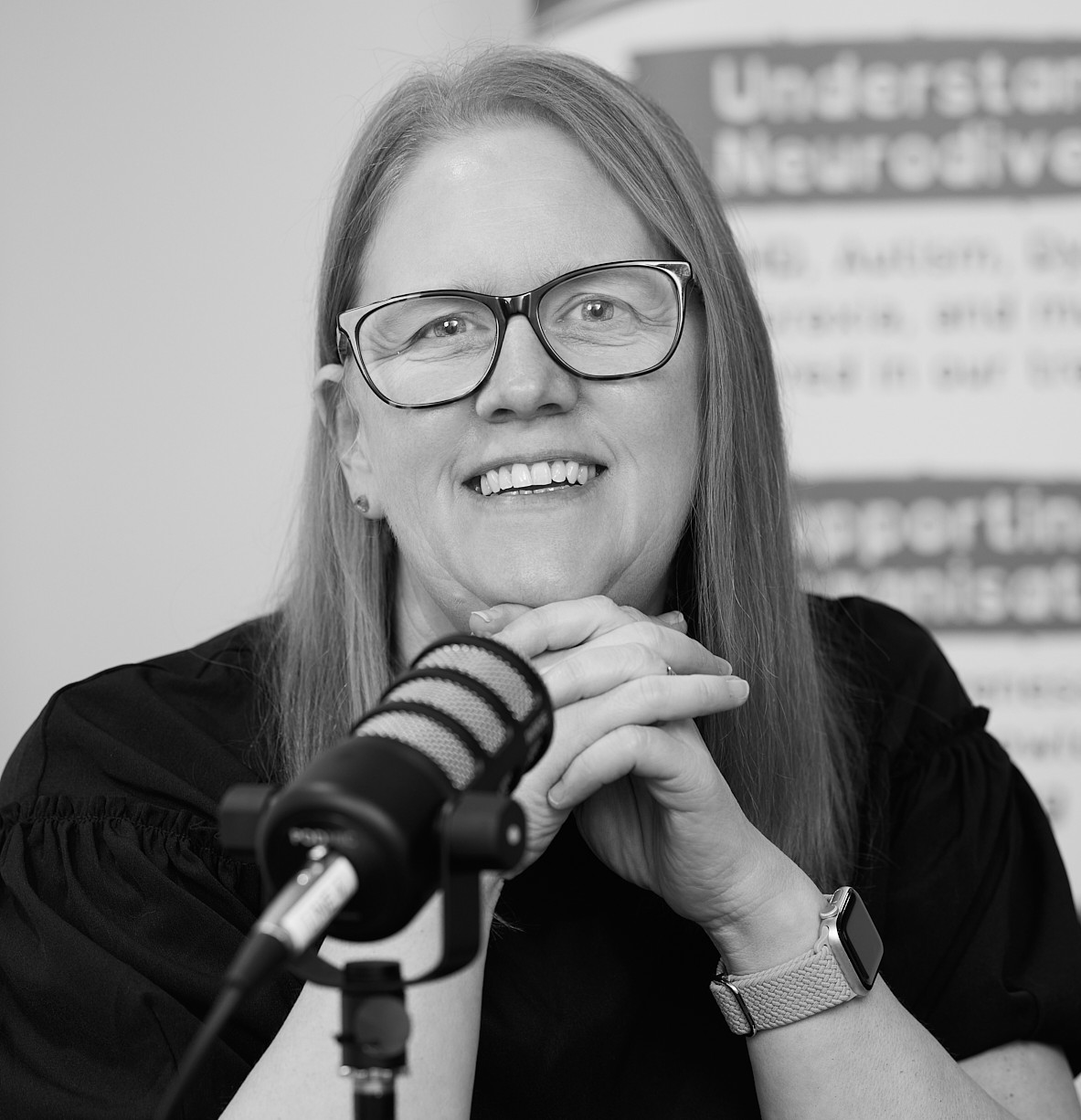
Lucy Smith
Founder and Managing Director
I created Inclusive Change because I could see a growing gap between how organisations were working and what the future of work would demand. What began as a mission to help organisations recognise and develop talent that thinks differently has evolved into a broader focus on leadership, organisational change and navigating the opportunities and challenges of AI. Today we partner with organisations to build workplaces that are more inclusive, more adaptable and better prepared for the future of work.
120+
Organisations Supported
25+ Years of Experience
1000+ of Individuals Trained
Ready to talk?
Let's Start with a Conversation.
Whether you're looking for neurodiversity training, change management consultancy, leadership development or mentoring, a free 30-minute discovery call is the best place to start.
We'll listen, understand your needs and recommend the most appropriate next steps, with no obligation.
What does Inclusive Change do?
Inclusive Change helps organisations create high-performing, inclusive workplaces through change management consultancy, inclusive leadership development and specialist neurodiversity expertise. We work with HR teams, managers and senior leaders to turn inclusion into lasting organisational change.
What is Change Management?
Change management is about helping organisations successfully navigate change while keeping people at the centre of the process. Whether introducing new ways of working, responding to organisational growth, embedding AI or creating more inclusive workplaces, effective change management helps leaders build trust, strengthen engagement and deliver lasting results. At Inclusive Change, we combine strategic consultancy, inclusive leadership and neurodiversity expertise to support organisations through meaningful, sustainable change.
What is inclusive leadership?
Inclusive leadership is about creating the conditions where every individual can contribute, grow and perform at their best. It combines empathy with effective leadership, helping managers build trust, value different perspectives and support teams through change. Strong inclusive leadership strengthens workplace culture, improves decision-making and helps organisations build high-performing, future-ready teams.
What is neurodiversity in the workplace?
Neurodiversity in the workplace recognises that people think, learn and process information in different ways. Creating a neuroinclusive workplace means removing unnecessary barriers, making appropriate adjustments and enabling everyone to contribute and perform at their best.
What's the difference between training and consultancy?
Training develops knowledge and practical skills across your organisation. Consultancy provides tailored advice, strategic support and implementation guidance to help embed lasting change. Many organisations choose a combination of both.
Who do you work with?
We work with organisations of all sizes across the public, private and voluntary sectors. Our clients include the NHS, higher education, local government, technology, hospitality, professional services, charities and sports organisations.
What services do you offer?
We offer change management consultancy, inclusive leadership development and neurodiversity expertise for organisations across the UK. Our services include consultancy, workplace audits, training, coaching, mentoring, workplace needs assessments and Access to Work support. All of our services are tailored to your organisation's needs and objectives.
Do you deliver training online and in person?
Yes. We deliver training, workshops and consultancy online and in person across the UK. Sessions can range from one-hour workshops to full-day programmes and longer-term consultancy projects.
Can you tailor training and consultancy to our organisation?
Yes. Every organisation has different priorities, so we tailor our training and consultancy to your sector, workforce, policies and objectives. Whether you're supporting managers, improving recruitment or leading organisational change, we'll design a programme that meets your needs.
What topics do you cover?
Our services include:
*Understanding neurodiversity at work
*Managing performance with confidence
*Leading high-performing inclusive teams
*Practical workplace adjustments
*Neurodiversity beyond awareness
*Inclusive leadership
*Workplace culture
*Recruitment and retention
*Organisational change
*Accessibility and inclusion
Can you help with workplace adjustments?
Yes. We help organisations understand reasonable adjustments, explore practical solutions and build manager confidence in supporting neurodivergent employees. Our approach focuses on creating workplaces where people can perform at their best while meeting legal responsibilities under the Equality Act.
Do you support organisations going through change?
Yes. We specialise in helping organisations lead change in an inclusive way. Whether you're restructuring, introducing new technology, embedding AI or changing ways of working, we help leaders communicate effectively, reduce uncertainty and support employees throughout the process.
Do you offer support beyond training?
Yes. Alongside training, we provide consultancy, workplace audits, mentoring, speaking engagements, manager resources and ongoing implementation support. We're here to help organisations move from awareness to meaningful, lasting change.
How long are your training sessions?
We offer flexible delivery to suit your organisation, including one-hour webinars, 90-minute workshops, half-day and full-day training, as well as longer consultancy and leadership development programmes.
How do we get started?
The best place to start is with a discovery call (click here). We'll take the time to understand your organisation, your current challenges and your goals before recommending the most appropriate training, consultancy or support.
Do you support individuals as well as organisations?
Describe the item or answer the question so that site visitors who are interested get more information. You can emphasize this text with bullets, italics or bold, and add links.


Inclusive Change
Change management and
future of work consultancy.
Bristol-based, working across
the UK.
FOR ORGANISATIONS
FOR LEADERS & mANAGERS
Workplace Needs Adjustments
FOR INDIVIDUALS
Mentoring
Coaching
Support Worker
Access to Work
© 2026 Inclusive Change Ltd. All rights reserved.