





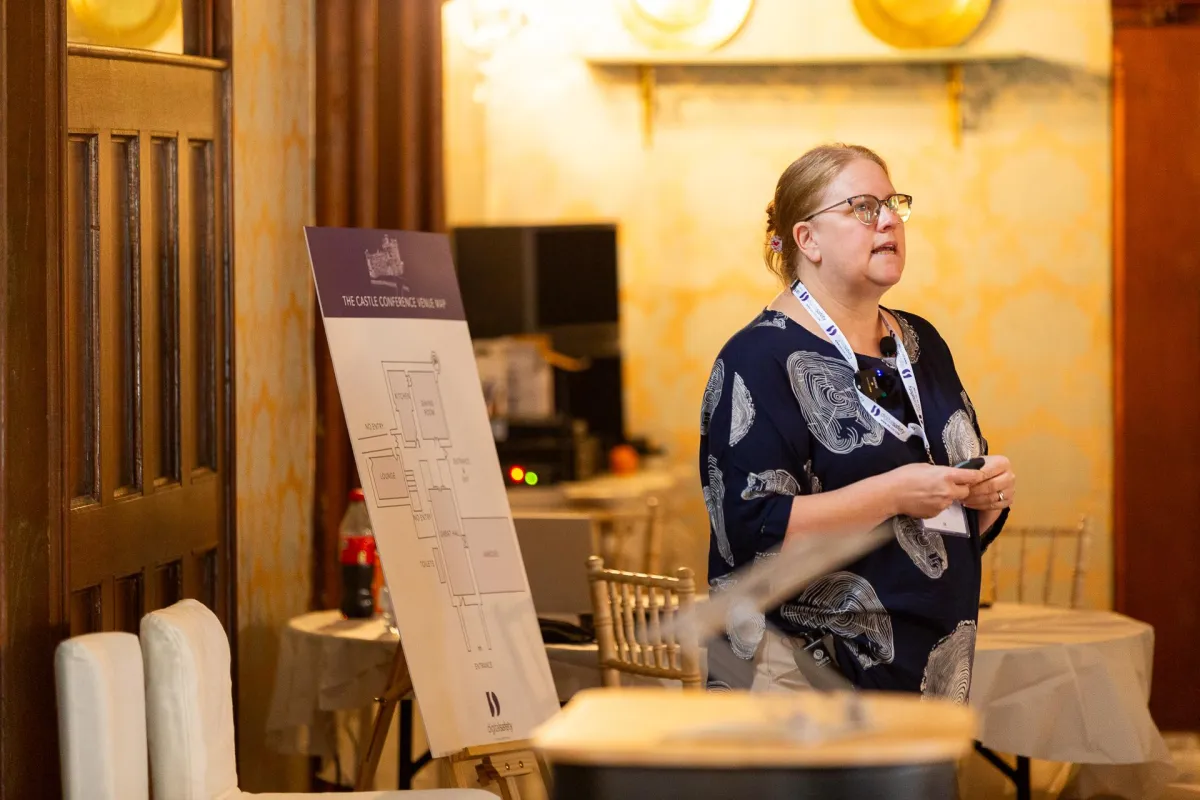
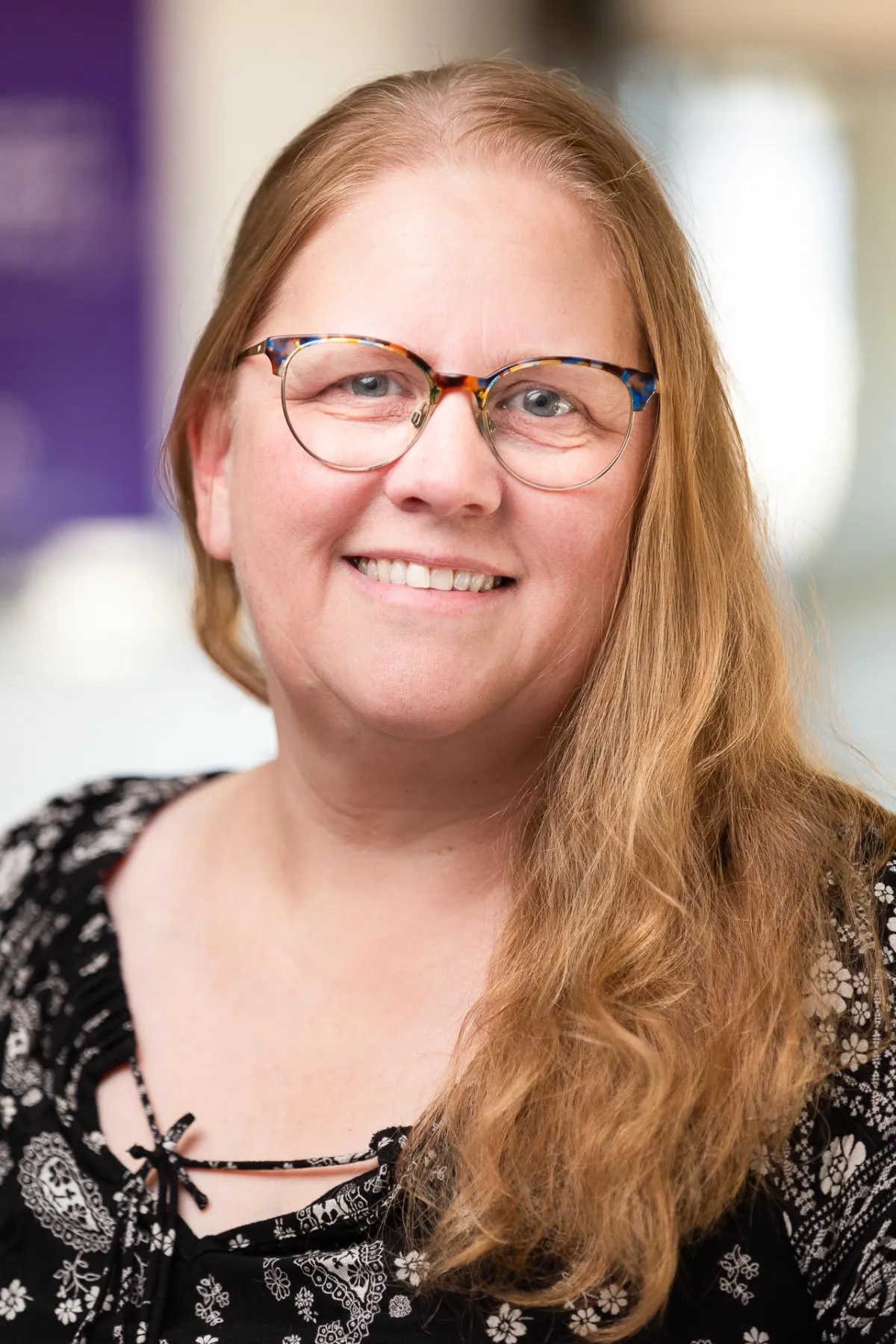
Lucy Smith
Neurodiversity & Inclusive Change Speaker, Facilitator, Compare
Lucy Smith, a keynote speaker on neurodiversity, resilience & inclusive change, helps organisations build inclusive, adaptive cultures that thrive on difference. Inspiring audiences & making a difference
Neurodiversity | Managing Change | Resilience
Life Stories | Social Enterprise
Authentic storytelling that makes a difference
Hi, I am Lucy!
Some people call me the "pocket rocket". I think that is because I have passion and energy to bring out the best in an audience.
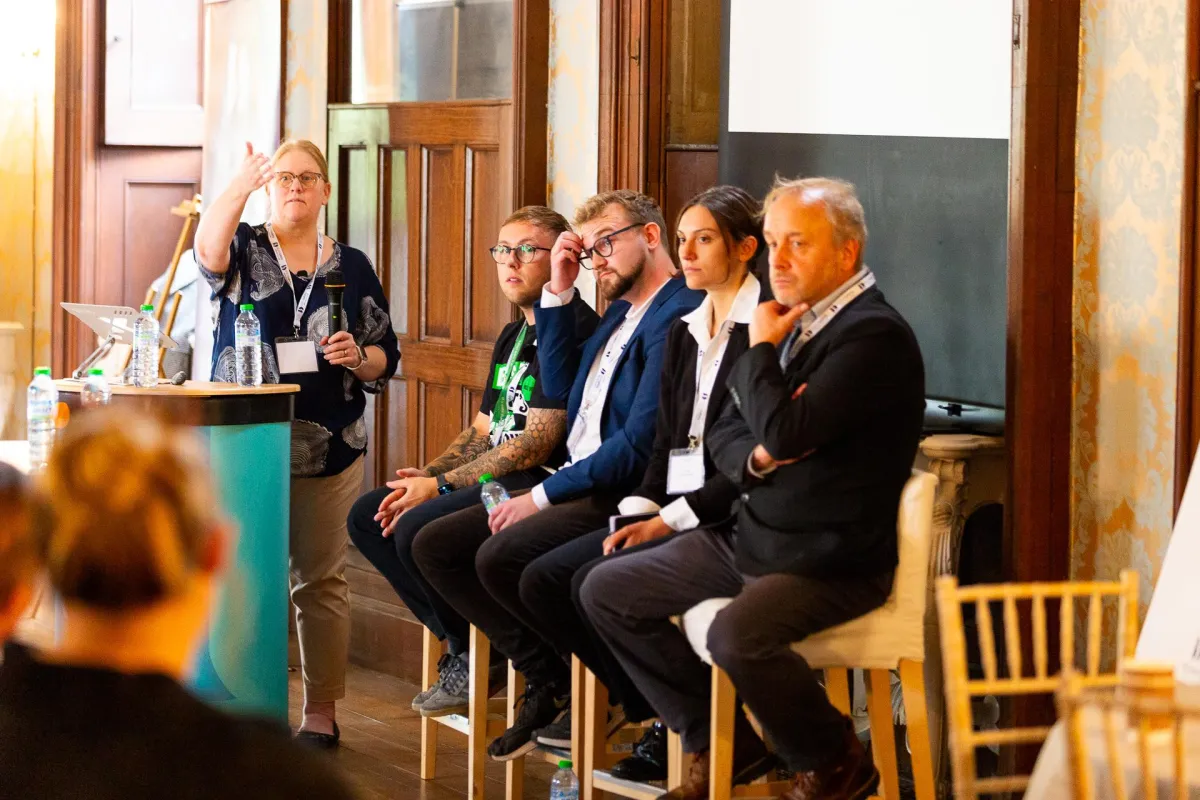
I have been working with audiences for almost 25 years in many guises - Lecturer, radio presenter, drama teacher, children's entertainer (I have been a professional fairy) facilitator, compare and speaker.
As a speaker I believe there has to be some substance behind us and I sure have that too. Not being able to settle and always saying "YES" to opportunities has led to a whole lot of experience that informs my work and my presentations.
At my core I am a purpose led social entrepreneur who loves to start a conversation about topics that matter.
I start those conversations with stories some that will surprise and some that will inspire. I talk about some difficult stuff and combine my unique expertise and knowledge.
Relatable, authentic and thought provoking
Lucy x
Neurodiversity
What is your perspective?
I come from a range of different perspectives when I talk about neurodiversity. From pedagogy, organisation development and leadership, research, personal and family and real lived experience. With a a strengths based approach I talk positively and with passion about change and neurodiversity in work, school and community.
I engage audiences to get them thinking and start conversations that will make and does make a lasting difference.
Change Management
Let me meet you at your
bus-stop
In the world of change management, it's not about imposing a new route; it's about understanding where you're starting from.
I have spent a decade working with senior leaders in transformational change where I have learned that change is often an individual journey and we will all join that journey from a different bus-stop.
I combine theory with reality and always have an eye on the future.
Life Stories
The secret change agent
A wealth of stories based on real lived experience with plenty of lessons for the future. Spilling some my secrets on here would be giving away some of my best work which you will want to hear straight from the source.
Oh, okay, let's just say I can talk about resilience, royalty, and some really fun stuff from a career in international law enforcement.
Social Enterprise
Making a difference - the torch that lights the stars
Lighting people up to make sustainable change happen is a big part of what I do. From setting up a community radio station to developing an innovative and groundbreaking conference around digital wellbeing and young people.
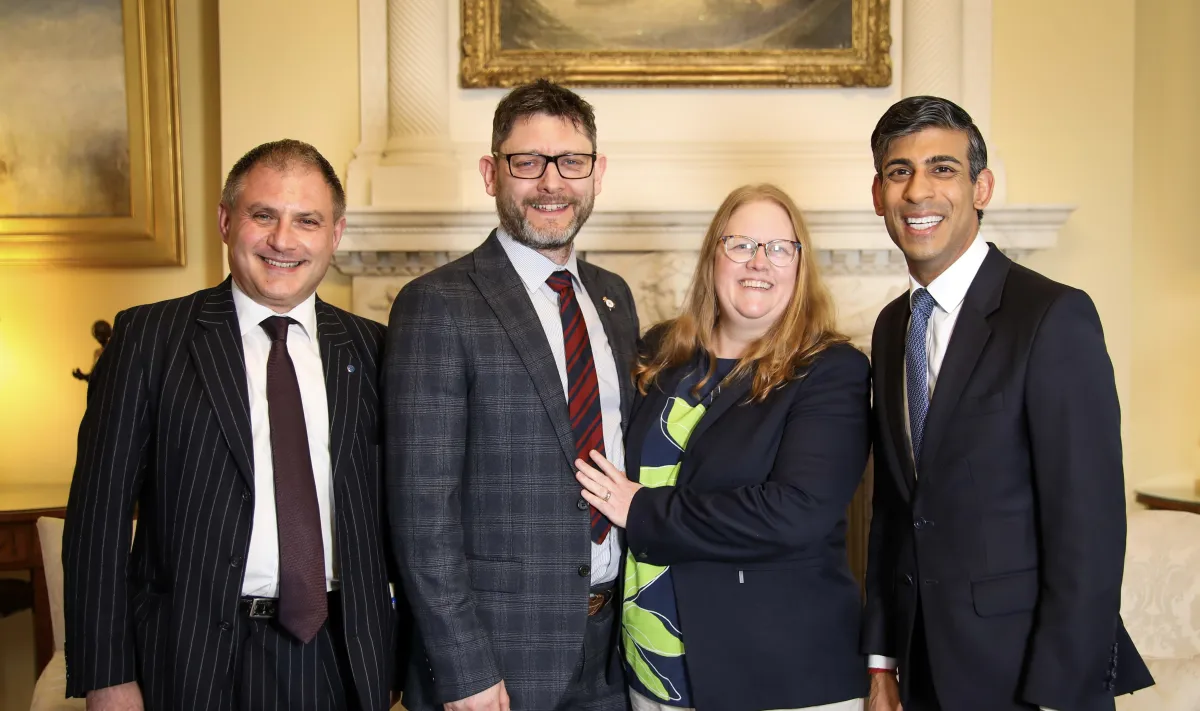
I talk the talk and walk the walk when it comes to social enterprise, from grass roots to engagement at the highest levels right up to Downing Street.
Neurodiversity in the workplace
Delivering practical workshops, interactive webinars and tailored team development sessions.
Lucy explores how embracing neurodiversity drives creativity, collaboration and wellbeing at work.
-Understanding the strengths and challenges of neurodivergent colleagues
-Practical adjustments and inclusive communication strategies for teams
-Building a culture where neurodivergent talent can thrive and contribute fully




What do other people say?
Don't take it from me, here is what others say about working with me.
Listen online
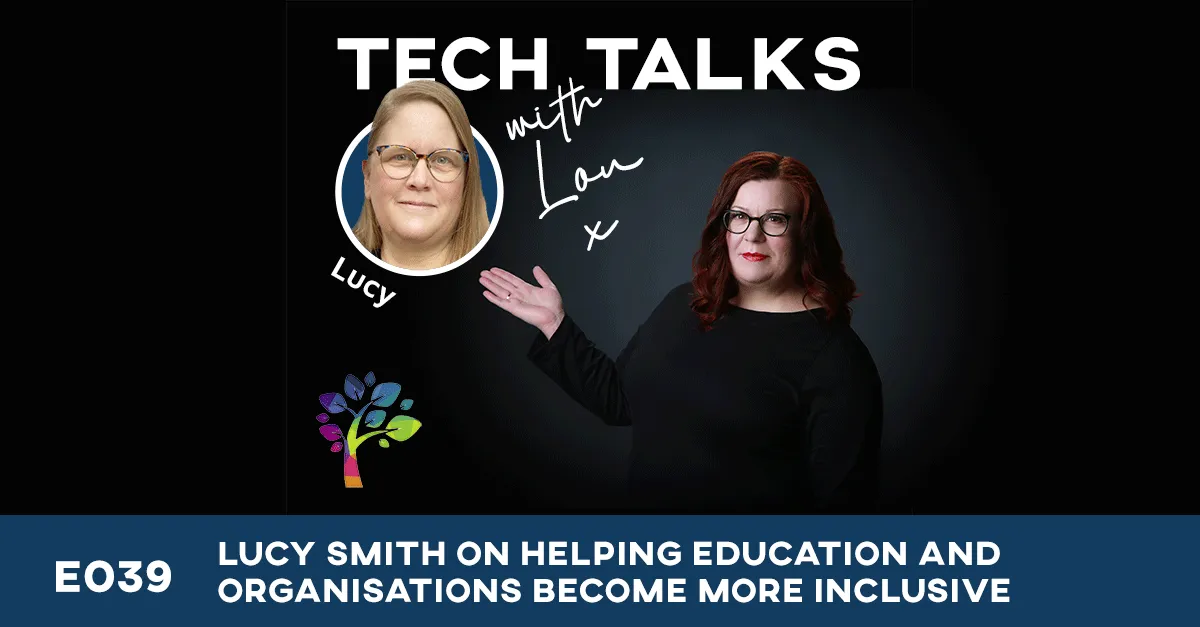
Podcasts, interviews and YouTube

Read more
The blog

Burnout, Parenting and Work
Burnout, Parenting and Work
The pressure many employees are carrying quietly
There are many parents going to work each day already exhausted before the working day has even started.
Not because they are unmotivated.
Not because they are disorganised.
And not because they cannot cope with work itself.
But because they are trying to balance work alongside supporting a neurodivergent child in systems and environments that often do not fully understand the reality families are managing.
Burnout does not always look dramatic
When people think about burnout, they often imagine someone reaching complete crisis point.
But for many parents of neurodivergent children, burnout can look quieter than that.
It can look like:
Forgetting things more often
Finding it harder to concentrate
Feeling emotionally exhausted before the day begins
Constantly anticipating problems
Working late to catch up after difficult mornings
Feeling guilty at work and guilty at home
Brain fog
Many become highly skilled at masking this pressure.
They keep showing up.
They keep functioning.
They keep trying to hold everything together.
Until eventually, something gives.
The invisible workload
Supporting a neurodivergent child often involves far more than many people realise.
Alongside parenting itself, parents may also be managing:
School attendance challenges
Anxiety and emotional overwhelm
Emotionally Based School Avoidance (EBSA)
Recovery after masking all day at school
Appointments, referrals and waiting lists
Ongoing advocacy and communication with schools or services
Constant unpredictability
Many parents are trying to manage all of this while still meeting deadlines, attending meetings, and maintaining performance at work.
Over time, that level of pressure becomes difficult to sustain.
Why school attendance issues affect work performance
For some families, mornings can become one of the most stressful parts of the day.
Parents may already have spent hours managing anxiety, distress, dysregulation, or school refusal before logging on to work or walking into the office.
That stress does not simply disappear once the working day begins.
It can affect concentration, emotional capacity, communication, and energy levels throughout the day.
Without understanding and flexibility, many employees end up trying to “push through” while quietly burning out.
Signs of burnout parents may hide at work
Burnout is not always obvious.
Many employees work extremely hard to make sure their struggles are not visible.
At work, burnout may show up as:
Changes in communication
Difficulty concentrating
Withdrawing from colleagues
Increased anxiety or emotional sensitivity
Exhaustion and fatigue
Using annual leave to manage crises at home
Working late to catch up after difficult days
Without context, these changes can easily be misunderstood as disengagement or poor performance.
Why work can become another pressure point
For many employees, work does not feel like a place where they can openly explain what is happening.
Some worry they will be seen as less committed.
Others fear being judged or treated differently.
Some simply feel exhausted by having to explain things repeatedly.
So instead, people often try to absorb the pressure quietly.
They use annual leave for crises.
They work later to compensate.
They respond to emails late at night.
They push through until burnout becomes unavoidable.
What organisations may then see is:
Changes in communication
Reduced concentration
Increased sickness absence
Withdrawal from colleagues
Difficulty managing workload
Without context, these changes can easily be misunderstood.
Supporting employees before crisis point
Support does not need to mean lowering expectations or removing accountability.
Often, the most effective support comes from small, practical changes.
This might include:
Flexibility during particularly difficult periods
Understanding around school-related emergencies
Clear communication and written follow-ups
Adjustments to workload where possible
Managers checking in early rather than waiting for crisis point
Creating an environment where employees feel safe to be honest
For many employees, simply feeling understood reduces a significant amount of pressure.
Why flexibility matters for employee retention
This is not just a wellbeing conversation.
Burnout affects retention, performance, morale, and long-term sustainability.
When employees feel unsupported for long periods of time, organisations risk losing experienced, capable people who actually want to stay.
In many cases, flexibility and understanding are the things that allow employees to continue contributing sustainably.
Small changes can have a significant impact.
Managers are under pressure too
Many managers genuinely want to support their teams well.
But they are often balancing operational pressures, performance expectations, and limited guidance around how to handle situations like this.
Managers do not need to become experts in neurodiversity.
But confidence, understanding, and practical conversations can make a significant difference to whether employees feel supported or pushed closer to burnout.
What is parental burnout?
Parental burnout is a state of physical, emotional, and mental exhaustion caused by prolonged parenting-related stress.
For parents of neurodivergent children, this can be intensified by anxiety, school challenges, advocacy, sensory overwhelm, and ongoing unpredictability.
Many parents continue functioning while quietly exhausted, often without recognising how close they are to burnout themselves.
Small changes matter
Many parents of neurodivergent children are already doing everything they can to keep all areas of life moving.
What helps is not perfection.
It is workplaces that recognise people are human, life is complicated, and support does not always need to be huge to matter.
Because when employees feel understood rather than judged, they are far more likely to stay, contribute, and perform at their best.
Join our free Lunch & Learn
We are running a practical Lunch & Learn exploring this topic in more depth:
Supporting Parents of Neurodivergent Children at Work
A session for managers, HR teams, and organisations who want to better understand the pressures employees may be managing and how to respond in practical, realistic ways.
Book your place here.
Frequently Asked Questions
Can parenting a neurodivergent child lead to burnout?
Yes. Many parents experience emotional and physical burnout from balancing work alongside school challenges, anxiety, appointments, advocacy, and unpredictable routines.
How can burnout affect employees at work?
Burnout can affect concentration, communication, attendance, confidence, and overall wellbeing. Many employees continue masking their stress until they reach crisis point.
Why do parents of neurodivergent children struggle at work?
Many parents are managing significant pressures outside work, including school attendance issues, anxiety, sensory overwhelm, and navigating support systems, often without flexibility or understanding at work.
What support can employers provide?
Practical support can include flexible working, clear communication, understanding around emergencies, workload adjustments, and supportive manager conversations.
What is masking burnout?
Masking burnout happens when someone continues appearing “fine” externally while internally exhausted from prolonged stress, pressure, or emotional overload.

Some of the Companies Inclusive Change Have Worked With


Inclusive Change Ltd
The Brightwell, Bradbury House
Wheatfield Drive
Bradley Stoke, Bristol
BS329DB
Reg no: 12412464
Copyright 2023 - Inclusive Change Ltd
VAT NO: 352 1564 17
ICO Reg: ZB081779
UK Register of Learning Providers: 10090652
Column Header
Lorem ipsum dolor sit amet consecetuer lorem ipsum
Organically grow the holistic world view of disruptive innovation
At the end of the day, going forward, a new normal that has evolved
Column Header
Lorem ipsum dolor sit amet consecetuer lorem ipsum
Organically grow the holistic world view of disruptive innovation
At the end of the day, going forward, a new normal that has evolved
Column Header
Lorem ipsum dolor sit amet consecetuer lorem ipsum
Organically grow the holistic world view of disruptive innovation
At the end of the day, going forward, a new normal that has evolved