





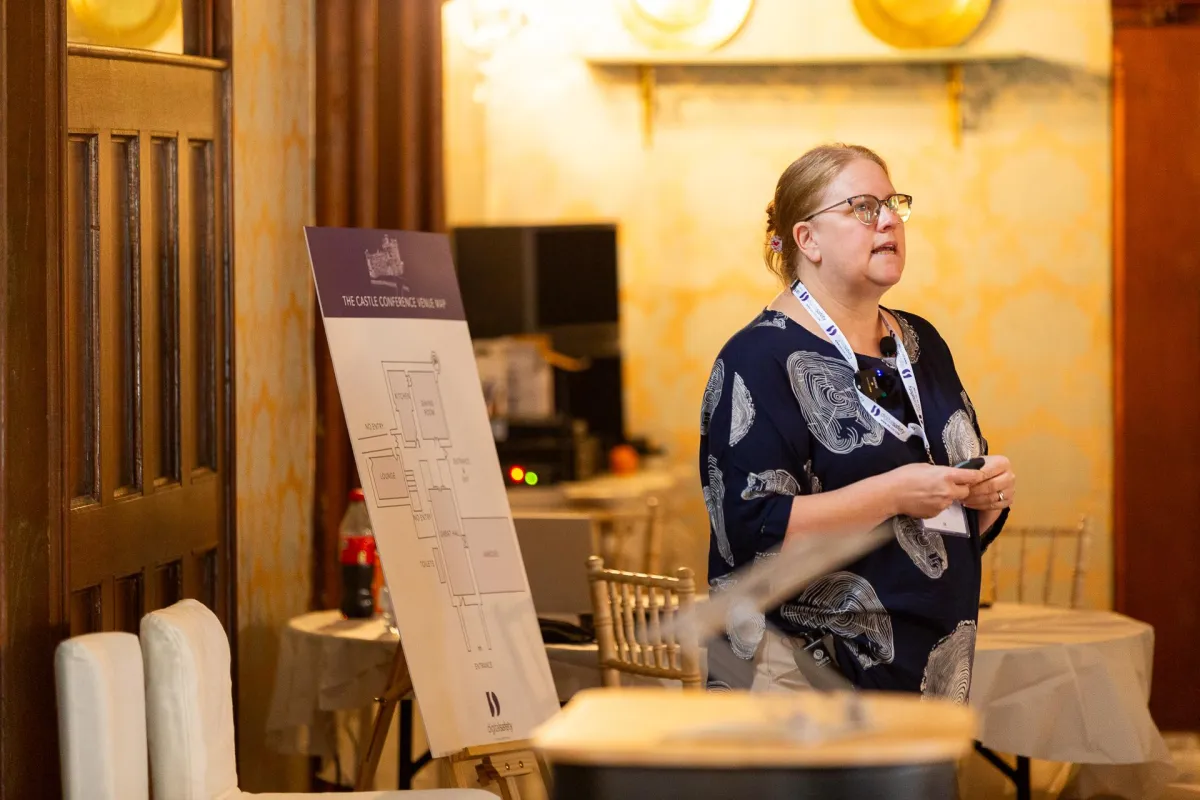
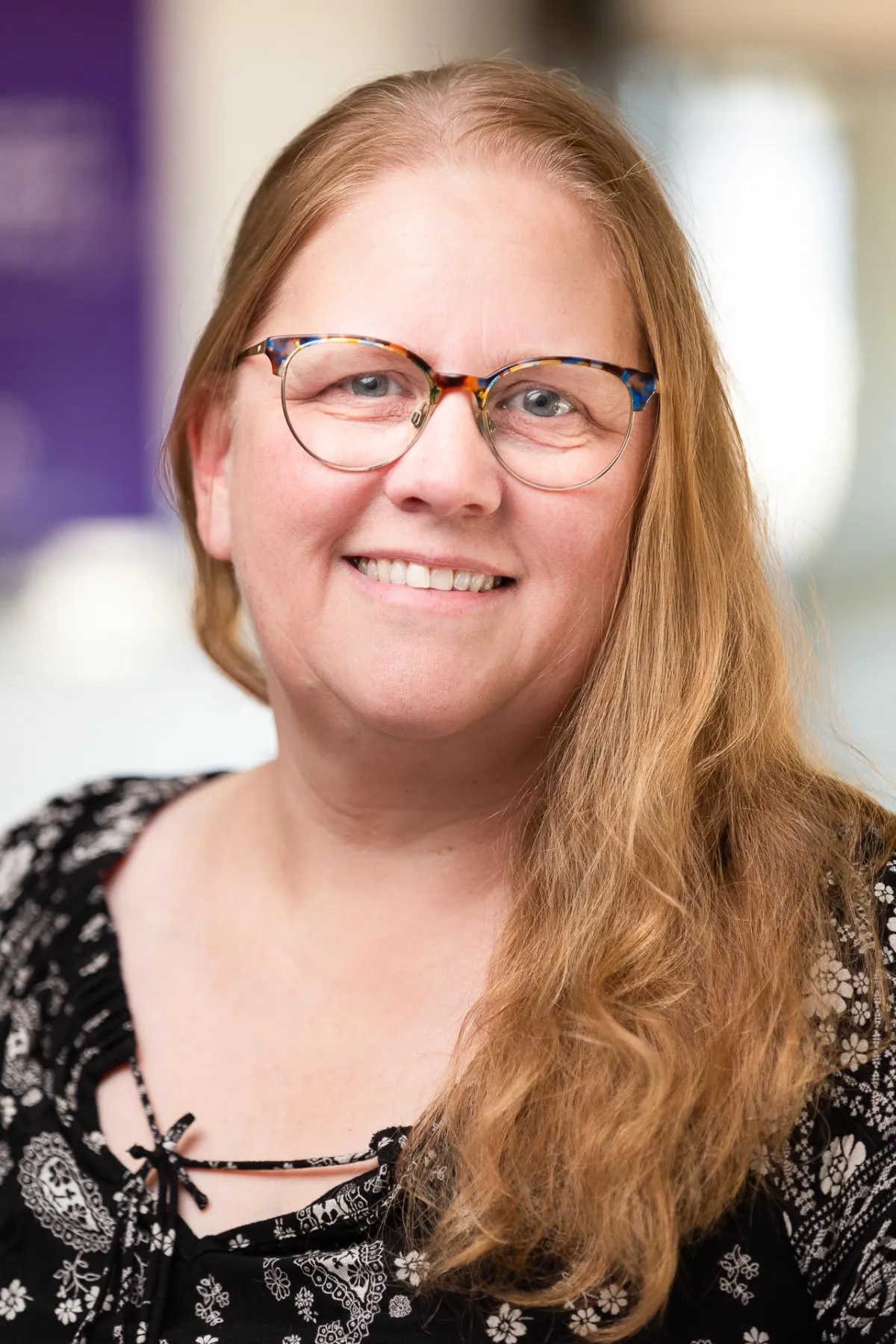
Lucy Smith
Neurodiversity & Inclusive Change Speaker, Facilitator, Compare
Lucy Smith, a keynote speaker on neurodiversity, resilience & inclusive change, helps organisations build inclusive, adaptive cultures that thrive on difference. Inspiring audiences & making a difference
Neurodiversity | Managing Change | Resilience
Life Stories | Social Enterprise
Authentic storytelling that makes a difference
Hi, I am Lucy!
Some people call me the "pocket rocket". I think that is because I have passion and energy to bring out the best in an audience.
I have been working with audiences for almost 25 years in many guises - Lecturer, radio presenter, drama teacher, children's entertainer (I have been a professional fairy) facilitator, compare and speaker.
As a speaker I believe there has to be some substance behind us and I sure have that too. Not being able to settle and always saying "YES" to opportunities has led to a whole lot of experience that informs my work and my presentations.
At my core I am a purpose led social entrepreneur who loves to start a conversation about topics that matter.
I start those conversations with stories some that will surprise and some that will inspire. I talk about some difficult stuff and combine my unique expertise and knowledge.
Relatable, authentic and thought provoking
Lucy x
Neurodiversity
What is your perspective?
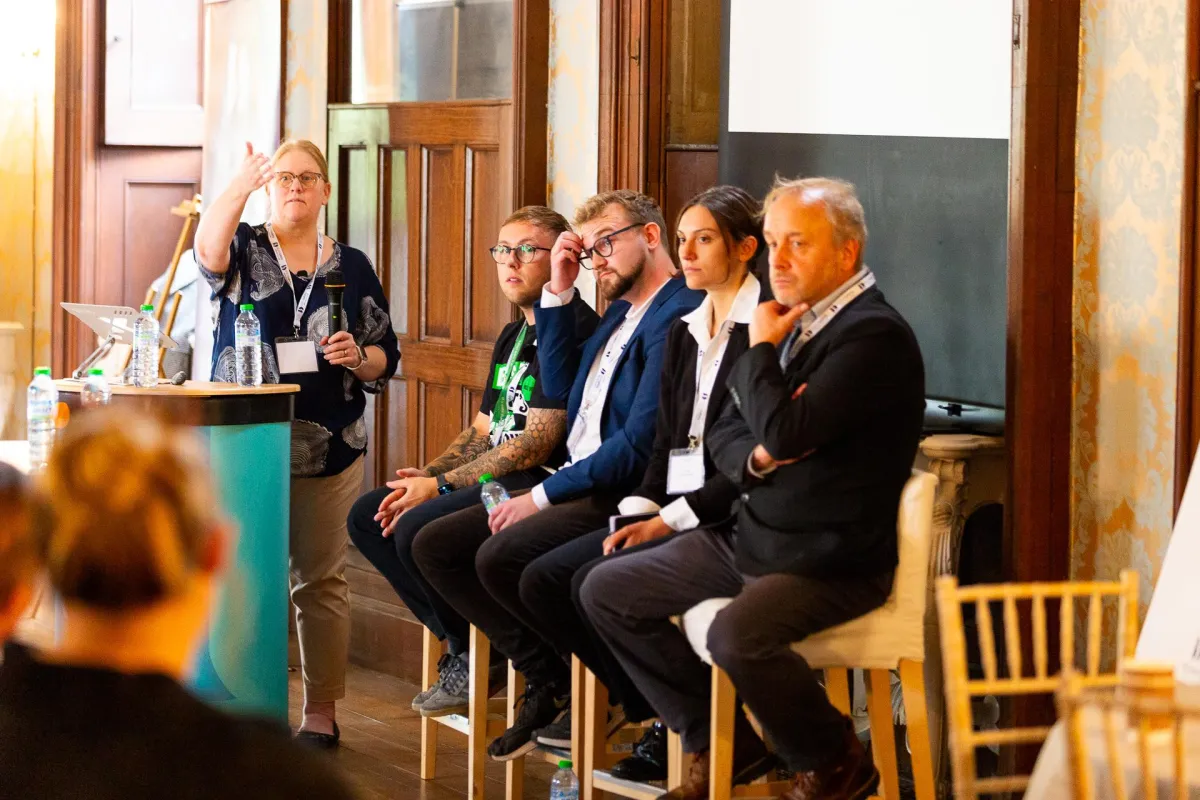
I come from a range of different perspectives when I talk about neurodiversity. From pedagogy, organisation development and leadership, research, personal and family and real lived experience. With a a strengths based approach I talk positively and with passion about change and neurodiversity in work, school and community.
I engage audiences to get them thinking and start conversations that will make and does make a lasting difference.
Change Management
Let me meet you at your
bus-stop
In the world of change management, it's not about imposing a new route; it's about understanding where you're starting from.
I have spent a decade working with senior leaders in transformational change where I have learned that change is often an individual journey and we will all join that journey from a different bus-stop.
I combine theory with reality and always have an eye on the future.
Life Stories
The secret change agent
A wealth of stories based on real lived experience with plenty of lessons for the future. Spilling some my secrets on here would be giving away some of my best work which you will want to hear straight from the source.
Oh, okay, let's just say I can talk about resilience, royalty, and some really fun stuff from a career in international law enforcement.
Social Enterprise
Making a difference - the torch that lights the stars
Lighting people up to make sustainable change happen is a big part of what I do. From setting up a community radio station to developing an innovative and groundbreaking conference around digital wellbeing and young people.
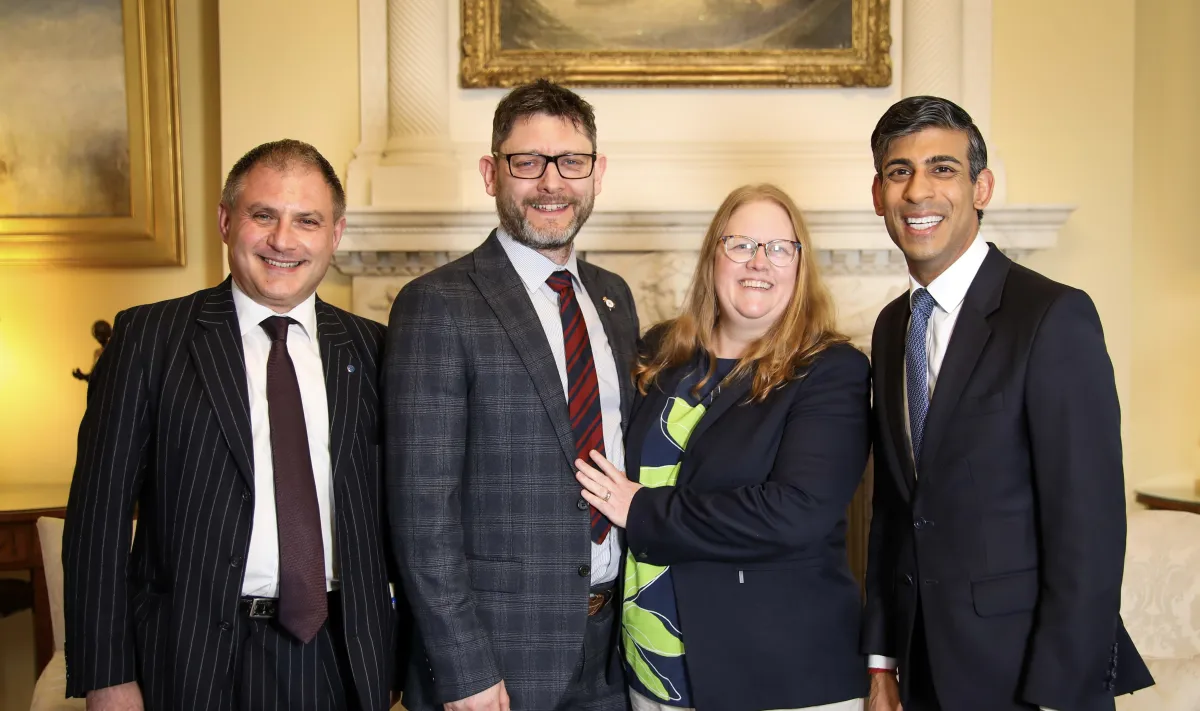
I talk the talk and walk the walk when it comes to social enterprise, from grass roots to engagement at the highest levels right up to Downing Street.
Neurodiversity in the workplace
Delivering practical workshops, interactive webinars and tailored team development sessions.
Lucy explores how embracing neurodiversity drives creativity, collaboration and wellbeing at work.
-Understanding the strengths and challenges of neurodivergent colleagues
-Practical adjustments and inclusive communication strategies for teams
-Building a culture where neurodivergent talent can thrive and contribute fully

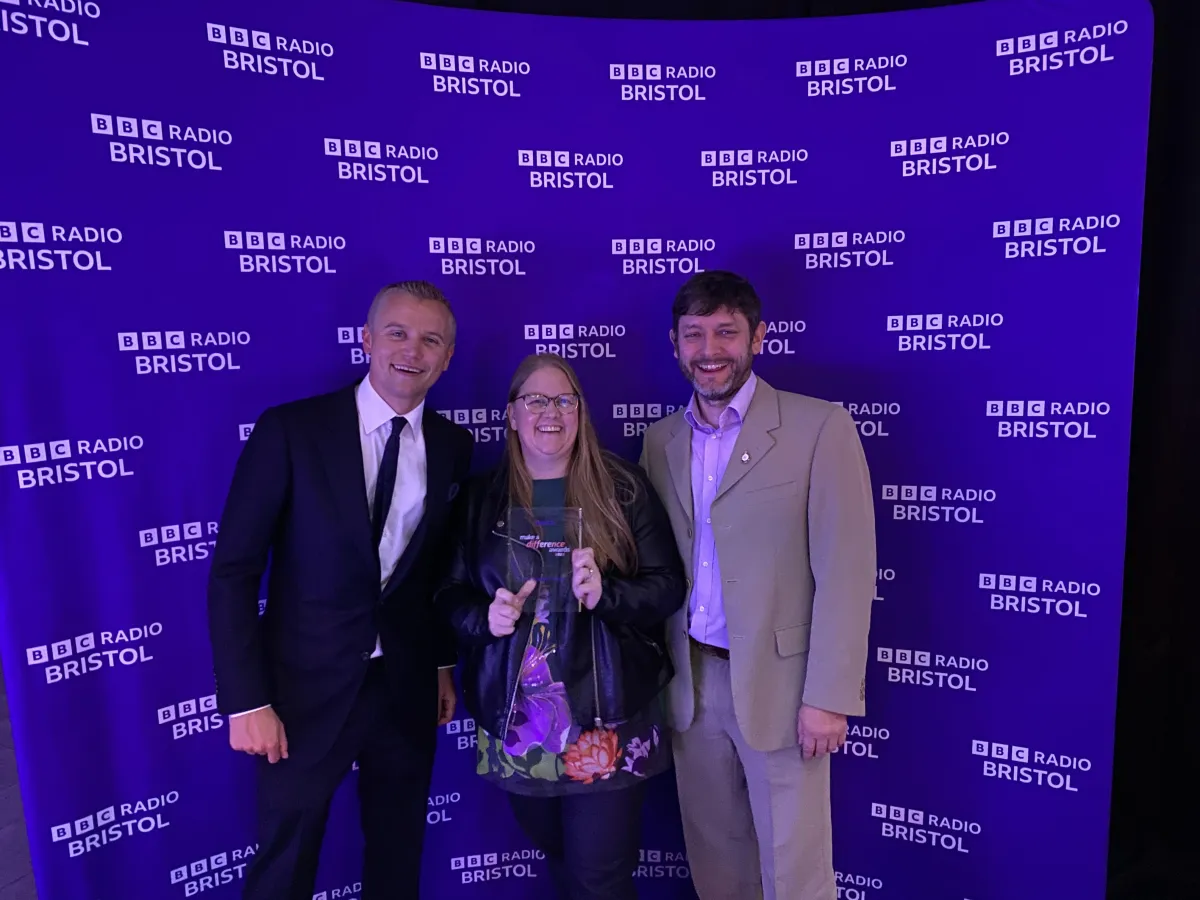


What do other people say?
Don't take it from me, here is what others say about working with me.
Listen online
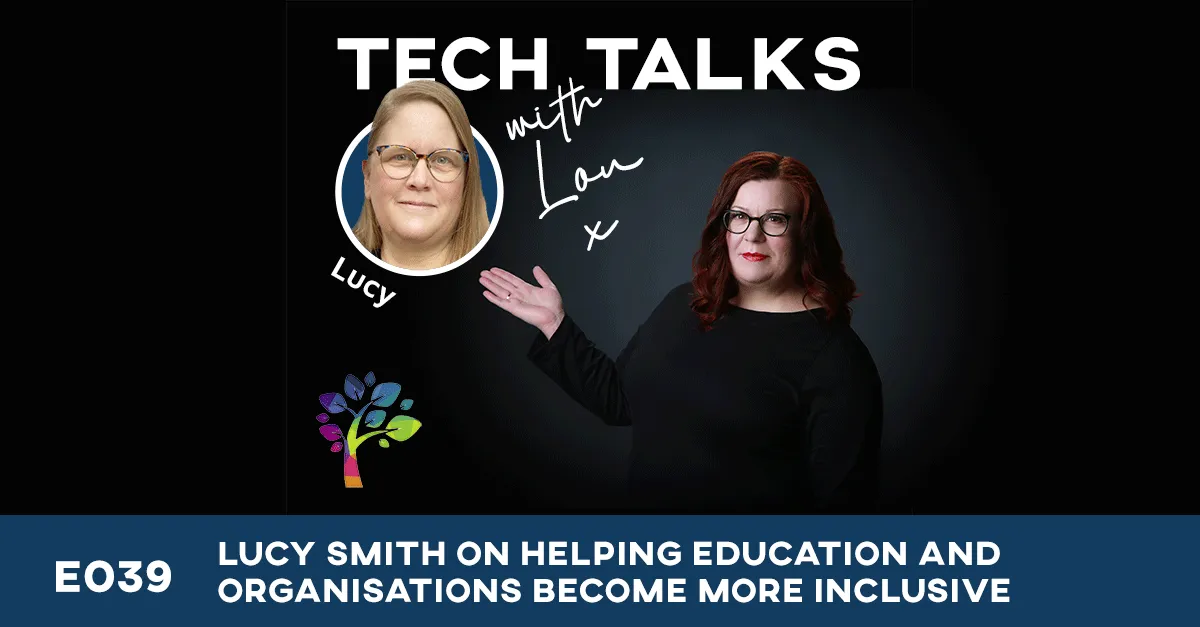
Podcasts, interviews and YouTube
Read more
The blog
Is AI accountable for decision making?
If AI Makes the Decision...who is accountable?
Not a day goes by that I don't end up in a conversation about AI and there are parts of those conversations that I find genuinely useful, and parts that I find quietly alarming. The useful version asks: where can AI help us think more clearly, move more quickly, and manage complexity we couldn't manage before? The alarming version assumes the answer to that question is: everywhere.
I have been working in decision-making under pressure for long enough to know that the question of where AI belongs in a decision chain is not a technical question. It is a governance question. And most organisations I encounter are moving faster on the first than the second.
AI is being inserted into decision chains. Fast. Often without a clear view of where the human still needs to be.
This piece is about that gap. Not about whether AI is good or bad - that framing stopped being useful about three years ago. But about where the human layer still matters, why it matters, and what happens when organisations assume it doesn't.
What AI is genuinely good at
Let me be honest about this, because the argument I want to make later depends on not dismissing the technology.
AI is very good at pattern recognition at scale. It can process volumes of data that no human team could work through in the time available, and surface patterns that would otherwise be invisible. In fraud detection, clinical monitoring, risk screening, and threat assessment, that capability is real and it matters.
AI is also good at consistency. It applies the same criteria every time, without fatigue, personal history, or the quiet subjectivity that shapes every human judgement call. In high-volume decisions where consistency is itself a form of fairness, that has genuine value.
And AI reduces cognitive load. By filtering noise and surfacing relevant information, it gives the human decision-maker more mental space to focus on the judgement that actually requires a human — the read of the room, the contextual knowledge that doesn't appear in any dataset, the thing someone couldn't put in writing.
These are real capabilities. The organisations using AI well are using it for exactly this. The problem is not the capability. The problem is the assumption that follows it.
But, what do we assume?
The assumption is that because AI is more consistent, more data-driven, and less emotionally influenced than a human, it is therefore more neutral. That the bias has been removed.
It hasn't. It has moved.
Adding AI doesn't remove bias from a decision. It moves bias upstream - and gives it machine authority.
AI models learn from historical data. Historical data encodes historical decisions - including discriminatory ones. A recruitment model trained on ten years of hiring decisions will learn whatever pattern those decisions contained, including who got hired and who didn't, and why. A risk assessment tool trained on past cases will reflect the assumptions embedded in those cases. The model doesn't introduce new bias. It inherits existing bias and systematises it at scale.
And then there is the second layer: the human reading the output. The person who receives an AI recommendation, flag, or risk score does not receive it as a neutral piece of information. They receive it through their own prior assumptions. If they already have a working theory about the person, case, or situation in question, the AI output gets read as confirmation. We do not remove bias by adding a model. We inherit it into the model, and then stop looking for it, because the process now seems neutral. It's not.
Scaled, unconscious bias shapes what you see before the framework begins. Add AI to that picture and you have two bias layers, not one, dressed in the authority of a machine.
Four points that need human intervention
None of this means AI should not be in the decision chain. It means the human layer needs to be explicitly designed, not assumed. And there are four moments where I think that human layer is not optional.
Context judgement. AI sees the data. It doesn't see the room, the relationship, the history, or the thing someone couldn't say in the report. Contextual judgement - the read that goes beyond the dataset - remains irreducibly human. You cannot train a model on what wasn't written down.
Ethical edges. When a decision sits at the boundary of what is legal, fair, or right, AI can inform it but cannot own it. Ethical judgement requires a human who can be held accountable and who can explain their reasoning to another human. 'The algorithm flagged it' is not an explanation. It is an abdication.
Accountability. If a decision harms someone, a human must be able to account for it. You cannot hold an algorithm responsible. Wherever accountability matters - and it usually does - a human must be named, in the seat, before the decision is made.
The bias check. AI inherits the bias of its training data and the assumptions of the humans who built and deployed it. Only a human can interrogate those assumptions - and only if they are trained to look for them, and given a structured process that requires them to.
What structured decision-making does that AI cannot
The organisations that will get this right are not the ones that have removed AI or resisted it. They are the ones that have designed the human layer deliberately - defined where the human reviews the output rather than just receives it, where the override mechanism sits, who is accountable when it matters.
What structured decision-making frameworks do - and what I have spent years working on - is create the conditions for that human layer to function reliably under pressure. Not just in calm conditions, when there is time to think. In the moments when there isn't.
A well-designed framework asks the decision-maker to interrogate the information before acting on it. To challenge the working theory. To name the constraints. To generate real alternatives rather than confirming the first option on the table. To review - genuinely, not performatively - what the decision was based on and whether that is firm enough.
Applied to an AI-assisted process, this means something specific. At the information gathering stage: is this output reflecting reality, or historical bias? At the risk assessment stage: are we rating this as significant because the data says so, or because the model was trained on data that systematically over-flagged this kind of case? At the alternatives stage: has the AI's ranking anchored the room before we've applied independent judgement? At the review stage: what did the model assume, and did we ever ask?
The framework doesn't compete with AI. It wraps around it. It is the structured human process that keeps a person in the seat that matters.
This is not anti-technology thinking. It is governance thinking. The question is not whether to use AI. It is how to remain accountable for the decisions it contributes to.
The questions you should be asking
If your organisation is deploying AI tools inside decision processes - and most are, whether they've named it that way or not - there are three questions I'd suggest putting to whoever owns that deployment.
Where exactly in this process does the AI output a recommendation or flag? Who is the named human who reviews that output before action is taken? And what training has that person had on interrogating AI outputs - not just reading them?
Most organisations can answer the first question. Fewer can answer the second. Almost none have a meaningful answer to the third.
That is the gap. Not the technology. The governance around the technology. And closing it does not require slowing down. It requires deciding - deliberately, in advance - where the human still makes the call.
Unlike some of the examples below.
We work with organisations on structured decision-making under pressure - including how to build the human layer around AI-assisted processes. If this reflects something your organisation is navigating, the CLEAR framework and Decidr Live sessions are designed exactly for this. You can find out more at decidr.live.

Some of the Companies Inclusive Change Have Worked With


Inclusive Change Ltd
The Brightwell, Bradbury House
Wheatfield Drive
Bradley Stoke, Bristol
BS329DB
Reg no: 12412464
Copyright 2023 - Inclusive Change Ltd
VAT NO: 352 1564 17
ICO Reg: ZB081779
UK Register of Learning Providers: 10090652
Column Header
Lorem ipsum dolor sit amet consecetuer lorem ipsum
Organically grow the holistic world view of disruptive innovation
At the end of the day, going forward, a new normal that has evolved
Column Header
Lorem ipsum dolor sit amet consecetuer lorem ipsum
Organically grow the holistic world view of disruptive innovation
At the end of the day, going forward, a new normal that has evolved
Column Header
Lorem ipsum dolor sit amet consecetuer lorem ipsum
Organically grow the holistic world view of disruptive innovation
At the end of the day, going forward, a new normal that has evolved