





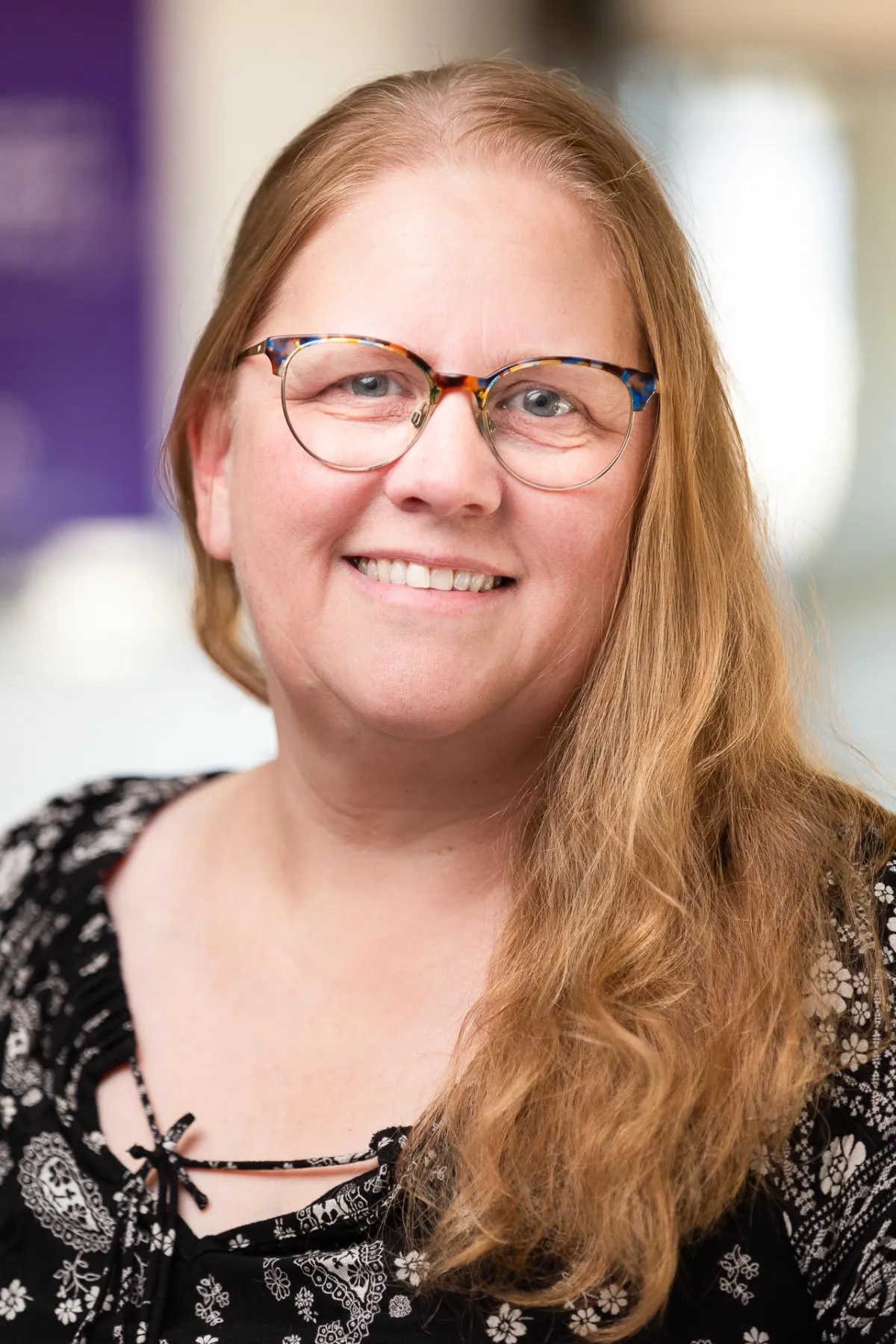
Lucy Smith
Neurodiversity & Inclusive Change Speaker, Facilitator, Compare
Lucy Smith, a keynote speaker on neurodiversity, resilience & inclusive change, helps organisations build inclusive, adaptive cultures that thrive on difference. Inspiring audiences & making a difference
Neurodiversity | Managing Change | Resilience
Life Stories | Social Enterprise
Authentic storytelling that makes a difference
Hi, I am Lucy!
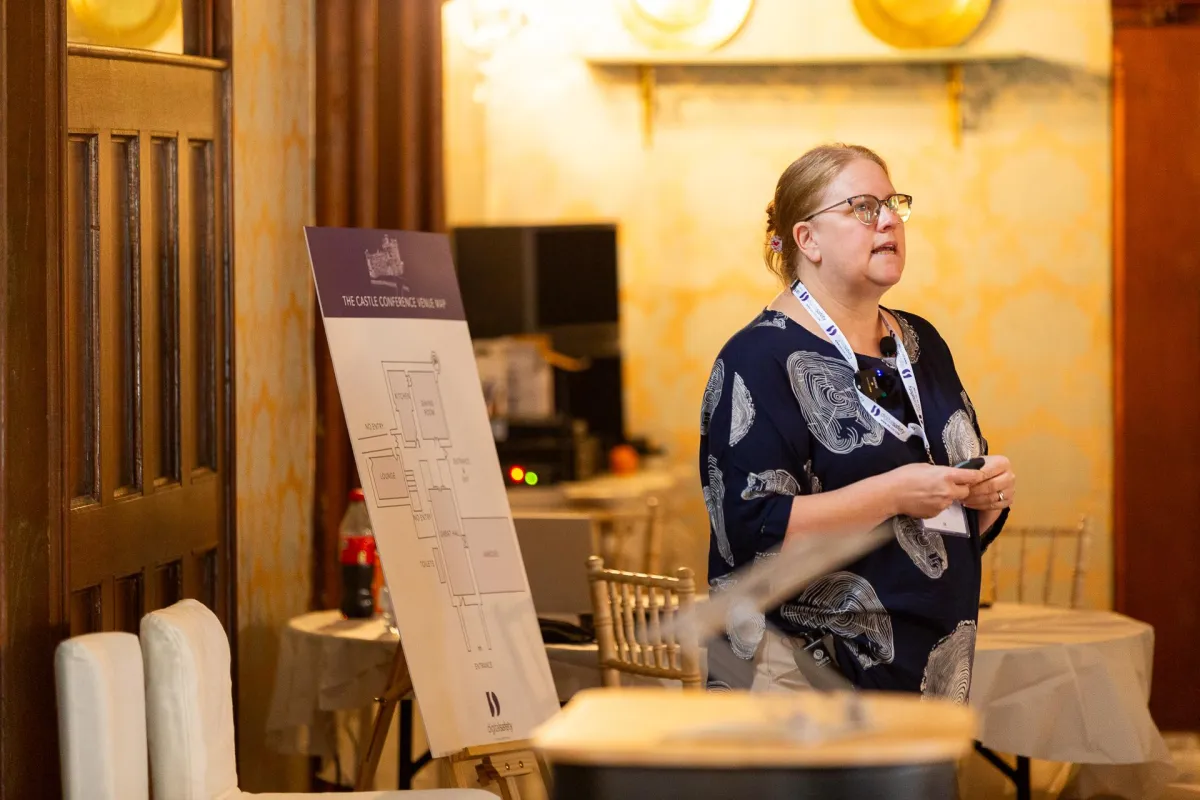
Some people call me the "pocket rocket". I think that is because I have passion and energy to bring out the best in an audience.
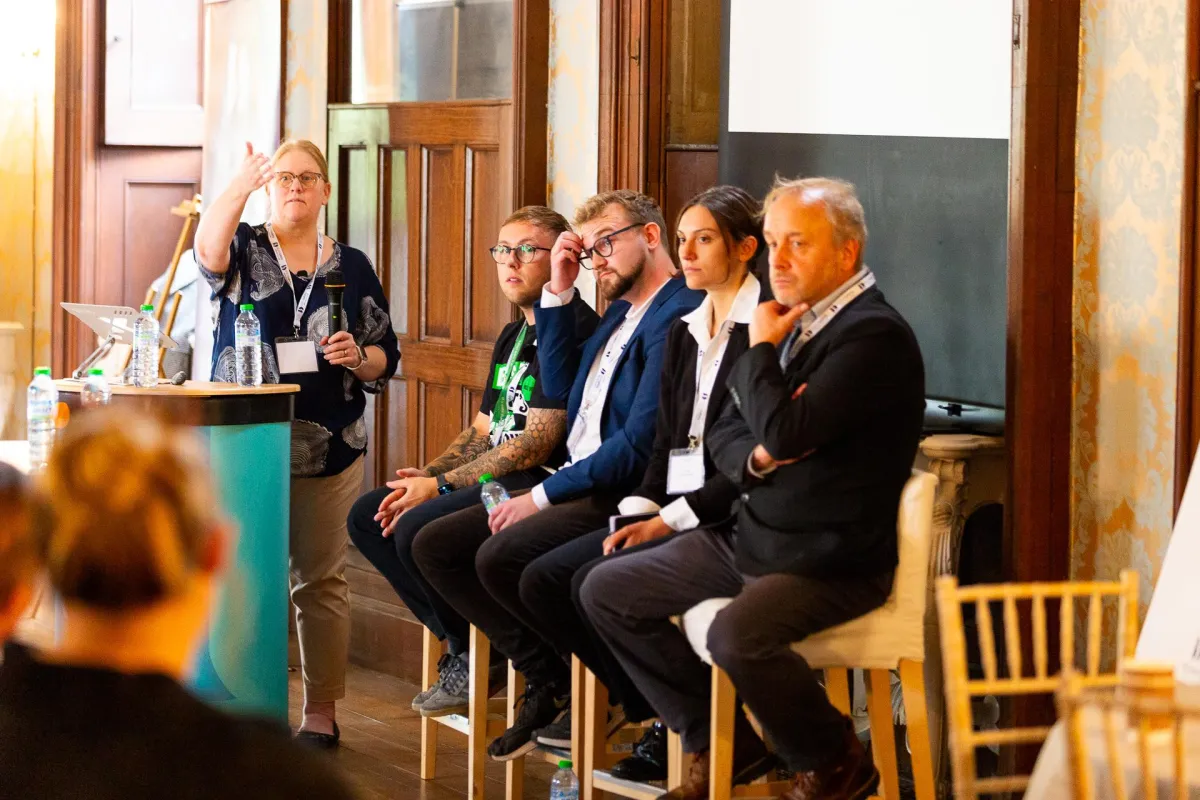
I have been working with audiences for almost 25 years in many guises - Lecturer, radio presenter, drama teacher, children's entertainer (I have been a professional fairy) facilitator, compare and speaker.
As a speaker I believe there has to be some substance behind us and I sure have that too. Not being able to settle and always saying "YES" to opportunities has led to a whole lot of experience that informs my work and my presentations.
At my core I am a purpose led social entrepreneur who loves to start a conversation about topics that matter.
I start those conversations with stories some that will surprise and some that will inspire. I talk about some difficult stuff and combine my unique expertise and knowledge.
Relatable, authentic and thought provoking
Lucy x
Neurodiversity
What is your perspective?
I come from a range of different perspectives when I talk about neurodiversity. From pedagogy, organisation development and leadership, research, personal and family and real lived experience. With a a strengths based approach I talk positively and with passion about change and neurodiversity in work, school and community.
I engage audiences to get them thinking and start conversations that will make and does make a lasting difference.
Change Management
Let me meet you at your
bus-stop
In the world of change management, it's not about imposing a new route; it's about understanding where you're starting from.
I have spent a decade working with senior leaders in transformational change where I have learned that change is often an individual journey and we will all join that journey from a different bus-stop.
I combine theory with reality and always have an eye on the future.
Life Stories
The secret change agent
A wealth of stories based on real lived experience with plenty of lessons for the future. Spilling some my secrets on here would be giving away some of my best work which you will want to hear straight from the source.
Oh, okay, let's just say I can talk about resilience, royalty, and some really fun stuff from a career in international law enforcement.
Social Enterprise
Making a difference - the torch that lights the stars
Lighting people up to make sustainable change happen is a big part of what I do. From setting up a community radio station to developing an innovative and groundbreaking conference around digital wellbeing and young people.
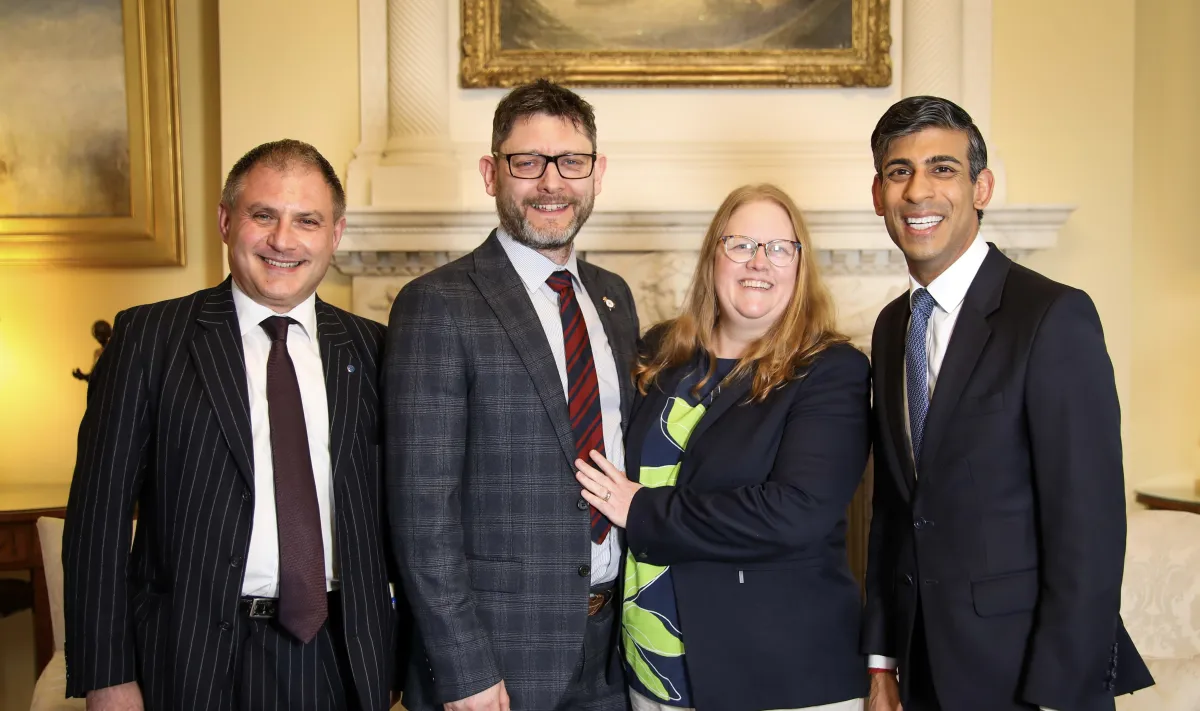
I talk the talk and walk the walk when it comes to social enterprise, from grass roots to engagement at the highest levels right up to Downing Street.
Neurodiversity in the workplace
Delivering practical workshops, interactive webinars and tailored team development sessions.
Lucy explores how embracing neurodiversity drives creativity, collaboration and wellbeing at work.
-Understanding the strengths and challenges of neurodivergent colleagues
-Practical adjustments and inclusive communication strategies for teams
-Building a culture where neurodivergent talent can thrive and contribute fully




What do other people say?
Don't take it from me, here is what others say about working with me.
Listen online
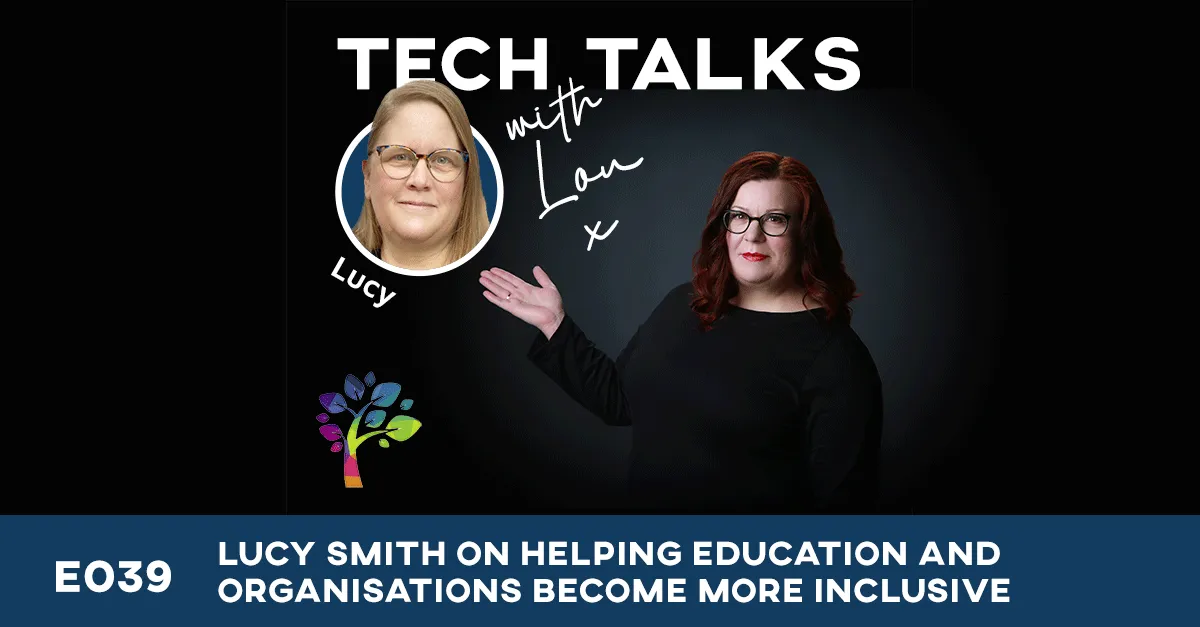
Podcasts, interviews and YouTube
Read more
The blog
AI, Deepfakes, and Digital Safety, with Laura Gemmell
AI Has Been Around Longer Than You Think
When most people think about AI, they picture ChatGPT or a Hollywood robot. But as Laura points out, the concept of artificial intelligence has been around since the 1960s. Alan Turing, famous for cracking Nazi codes, was already talking about machine intelligence back in the 1940s.
So, what’s changed recently?
The big shift came in 2023, when ChatGPT hit the scene. Unlike earlier AI tools, ChatGPT was conversational. You could actually 'chat' with it, like a helpful, if slightly robotic, assistant. That was a game-changer, especially for the public - suddenly, everyone had access to AI in their pocket.
But with great power comes, well, scams.
Why People Don’t Trust AI - And Why That Makes Sense
A big theme in this episode is trust - and how easily it can be shaken when we don’t understand what’s happening under the hood.
Laura breaks it down:
Many people don’t know how their data is used.
AI tools often ask for lots of personal information.
Most of us don’t have time (or spoons) to read the terms and conditions.
Scammers know this - and exploit it.
Think about it: If you wouldn’t post something in a blog or tell it to a stranger in the pub, should you really put it into an AI tool?
Her tip? “If you don’t know who built it, or where your data is going, don’t upload your face, voice, or life story.”
Deepfakes, Voice Clones, and the New Face of Scams
Let’s talk deepfakes.
These AI-generated videos and voice recordings can mimic real people almost perfectly. That means a scammer could fake a phone call from your bank, or even from your mum. It's not just theory. It’s happening now.
One big area of concern? Identity verification. Banks often ask for video or voice ID to confirm who you are. But if scammers get hold of just a short voice clip, they can potentially create an audio deepfake that tricks systems. That’s terrifying.
Laura’s advice: don’t record or upload your voice or face unless it’s for a verified purpose from a trustworthy company. Always double-check URLs, terms of use, and privacy policies.
AI Is Already in Your Life - Even If You Don’t Realise It
While the media tends to focus on futuristic AI, Laura reminds us: “AI is already everywhere.” Here are just a few examples:
Netflix & Spotify recommendations? AI.
Banking decisions (like credit scores)? AI.
Self-checkouts, Snapchat filters, and autocorrect? Yup, also AI.
You’re probably using AI 10 times a day without even thinking about it. And most of the time, it’s fine. But when it crosses into private data or decision-making that affects your life—like job interviews or healthcare—that’s when things get serious.
How to Stay Safe: Tips You Can Use Today
Laura offers some grounded, practical advice that anyone can follow:
Use tools from known brands
Stick with big names like Google’s Gemini or Microsoft’s Copilot. You already trust them with your data - don’t jump into the unknown.Read the privacy policies (or find someone who can explain them)
Look for blogs or trusted people who break it down clearly, just like we trust Martin Lewis with money advice.Avoid uploading sensitive content
Don’t give your full name, voice, or ID to tools you’ve never heard of.Reject cookies when possible
Those little popups asking about cookies? They track your location and behaviour. Reject them unless you absolutely need the feature.Know it’s not your fault
Scammers are getting slicker every day. If you fall for one, don’t blame yourself - learn from it and share the experience with others.
Can AI Be Helpful for Disabled and Neurodivergent People?
Short answer: Yes, massively.
Laura, who has dyslexia, shared how she uses ChatGPT to help structure her ideas when applying for grants or writing content. “It’s like having a sounding board,” she explains. She feeds in her rough thoughts, and the AI helps turn them into something polished. Then she edits it to keep her own voice and meaning.
Other tools like Fathom can record meetings and generate transcripts, great for anyone with memory or processing issues. And AI can help with planning, prioritising, and managing executive function challenges, especially for people with ADHD or autism.
But again: Only use tools you trust, and be clear about where your data is going.
Will AI Take Our Jobs?
This is one of the biggest fears people have, and it’s valid.
Yes, some jobs will change or go away. Customer service roles, for instance, may be replaced by AI chatbots. But Laura argues that many new roles will be created too, especially in areas like data labelling, AI oversight, and ethical design.
The key, she says, is upskilling. People need support and training to move into new roles. And the government, employers, and educators need to take responsibility for making that shift possible.
AI, Accessibility, and Older Adults
What about people who aren’t online much? Or older adults who aren’t confident with tech?
That’s a serious concern. As Lucy points out, even accessing your bank is hard if there’s no branch nearby and you don’t know how to use a smartphone.
Laura’s take: Confidence is the first barrier.
Many older people blame themselves when something goes wrong with tech. We need to shift the mindset: “It’s not your fault, it’s just a poorly designed system.”
Digital inclusion doesn’t just mean giving people a tablet. It means ongoing, compassionate support, and designing tools that work for everyone, not just the most tech-savvy.
Is AI Biased? Yes. Let’s Talk About It.
If only one kind of person designs AI, it only works well for them.
That’s why AI sometimes can’t recognise certain faces, misreads facial expressions (especially from autistic or disabled people), and fails to understand different accents. This is a massive issue in recruitment, education, and policing.
Laura’s quote of the day:
"We need AI that works for the 8 billion, not the 8 billionaires.”
That means more diverse people working in AI, and building systems with ethics and inclusion in mind from day one.
AI in Education: Useful or Cheating?
It depends.
Laura uses the example of coding. You can use AI to write perfect code. But then you miss the process of learning how it works. Same with essay writing. If ChatGPT writes your essay, what are you really learning?
For young people, the advice is simple: Use AI as a tool, not a shortcut. Use it to plan, to brainstorm, to organise, but still do the learning yourself.
The Big Wins: Where AI Is Genuinely Amazing
Let’s end on a high note.
Laura shared two incredible success stories:
A taxi driver using AI to improve his written English
He used ChatGPT to polish his emails. His customer service improved, and he learned better English by seeing how his words were rephrased.Breast cancer detection
AI can now detect breast cancer in scans up to five years earlier than doctors, potentially saving thousands of lives.
These are the kinds of breakthroughs that show AI isn’t just a threat. It’s a tool. And with the right boundaries, education, and compassion, it can help us all.
Final Thoughts: Stay Curious, Stay Safe
Laura’s final message? Don’t be scared, be informed.
AI is here to stay. But with the right tools, guidance, and support, it doesn’t have to be dangerous. It can be empowering, inclusive, and even life-changing.
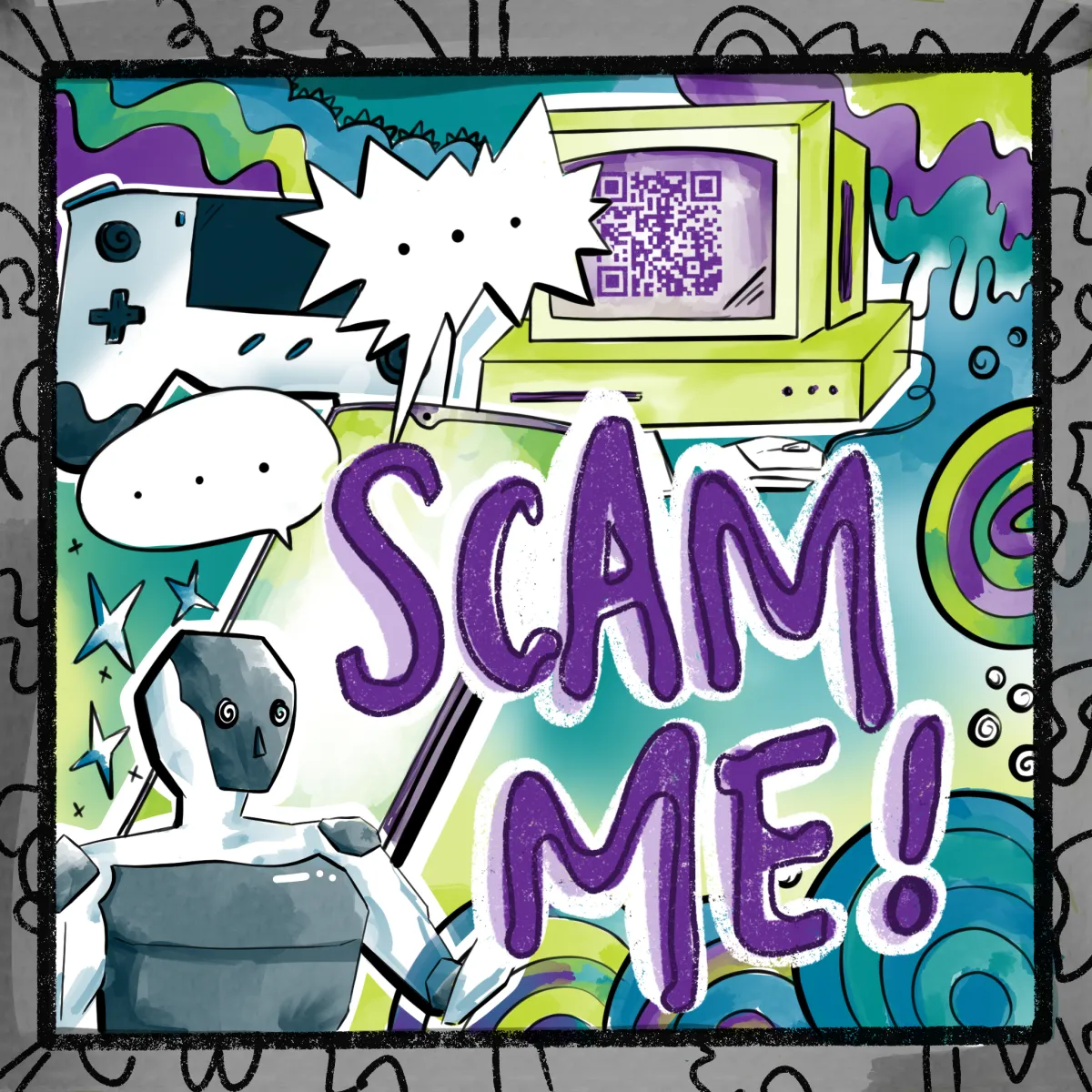
And that’s what Scam Me is all about: breaking down the scary stuff and helping our community build skills, confidence, and safety in the digital world.
Want to learn more?
Listen to Scam Me’ here on YouTube: Learning Inclusive Change
Visit Taught by Humans here: Taught by Humans
Follow Inclusive Change on LinkedIn: Inclusive Change Ltd - and Facebook: Inclusive Change
And remember, cybersecurity starts with you!
IC
Inclusive Change at Work

Some of the Companies Inclusive Change Have Worked With


Inclusive Change Ltd
The Brightwell, Bradbury House
Wheatfield Drive
Bradley Stoke, Bristol
BS329DB
Reg no: 12412464
Copyright 2023 - Inclusive Change Ltd
VAT NO: 352 1564 17
ICO Reg: ZB081779
UK Register of Learning Providers: 10090652
Column Header
Lorem ipsum dolor sit amet consecetuer lorem ipsum
Organically grow the holistic world view of disruptive innovation
At the end of the day, going forward, a new normal that has evolved
Column Header
Lorem ipsum dolor sit amet consecetuer lorem ipsum
Organically grow the holistic world view of disruptive innovation
At the end of the day, going forward, a new normal that has evolved
Column Header
Lorem ipsum dolor sit amet consecetuer lorem ipsum
Organically grow the holistic world view of disruptive innovation
At the end of the day, going forward, a new normal that has evolved