





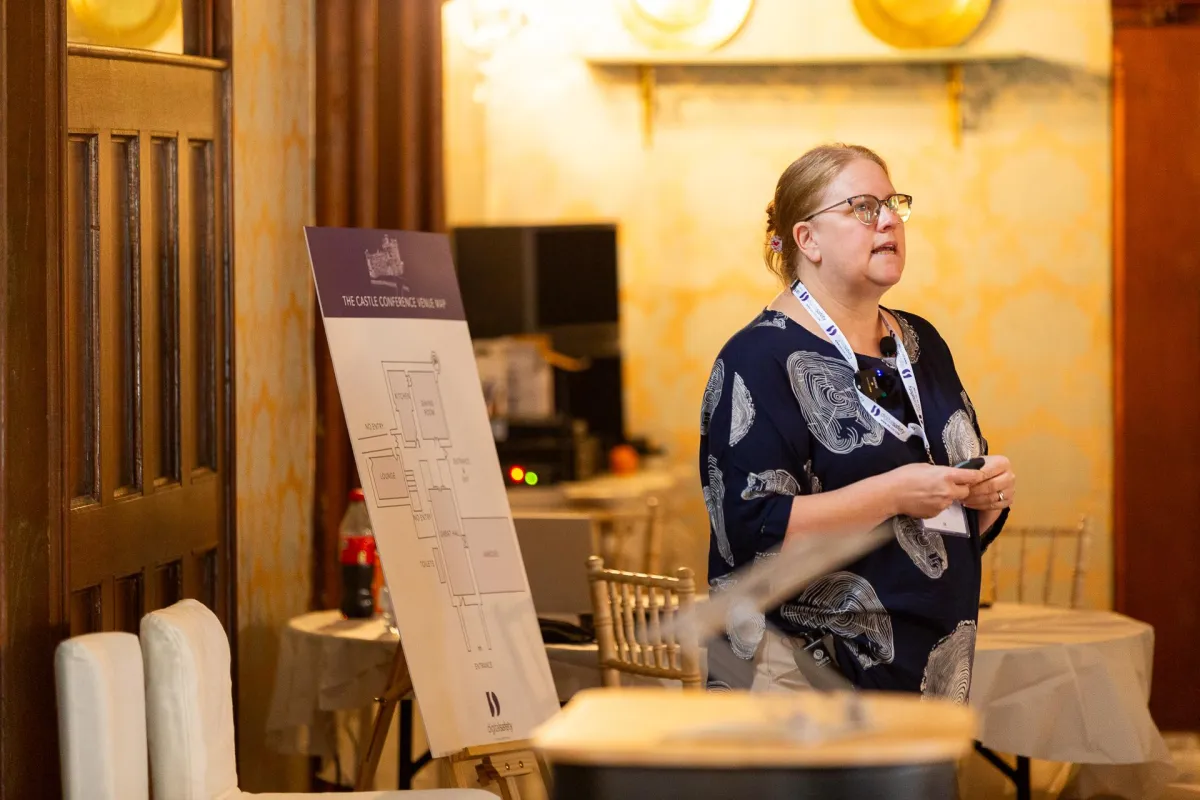
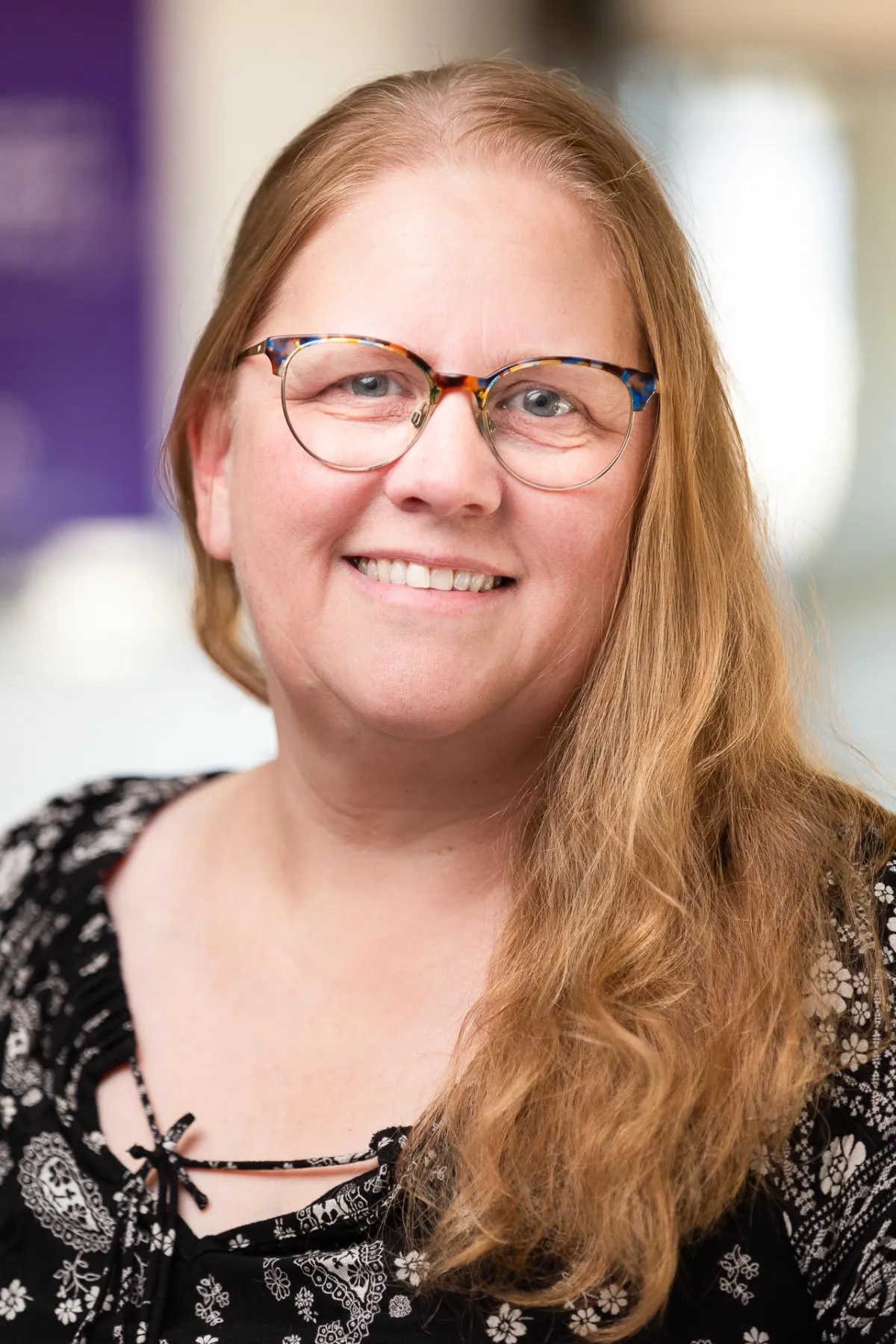
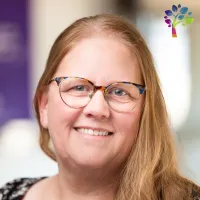
Lucy Smith
Neurodiversity & Inclusive Change Speaker, Facilitator, Compare
Lucy Smith, a keynote speaker on neurodiversity, resilience & inclusive change, helps organisations build inclusive, adaptive cultures that thrive on difference. Inspiring audiences & making a difference
Neurodiversity | Managing Change | Resilience
Life Stories | Social Enterprise
Authentic storytelling that makes a difference
Hi, I am Lucy!
Some people call me the "pocket rocket". I think that is because I have passion and energy to bring out the best in an audience.
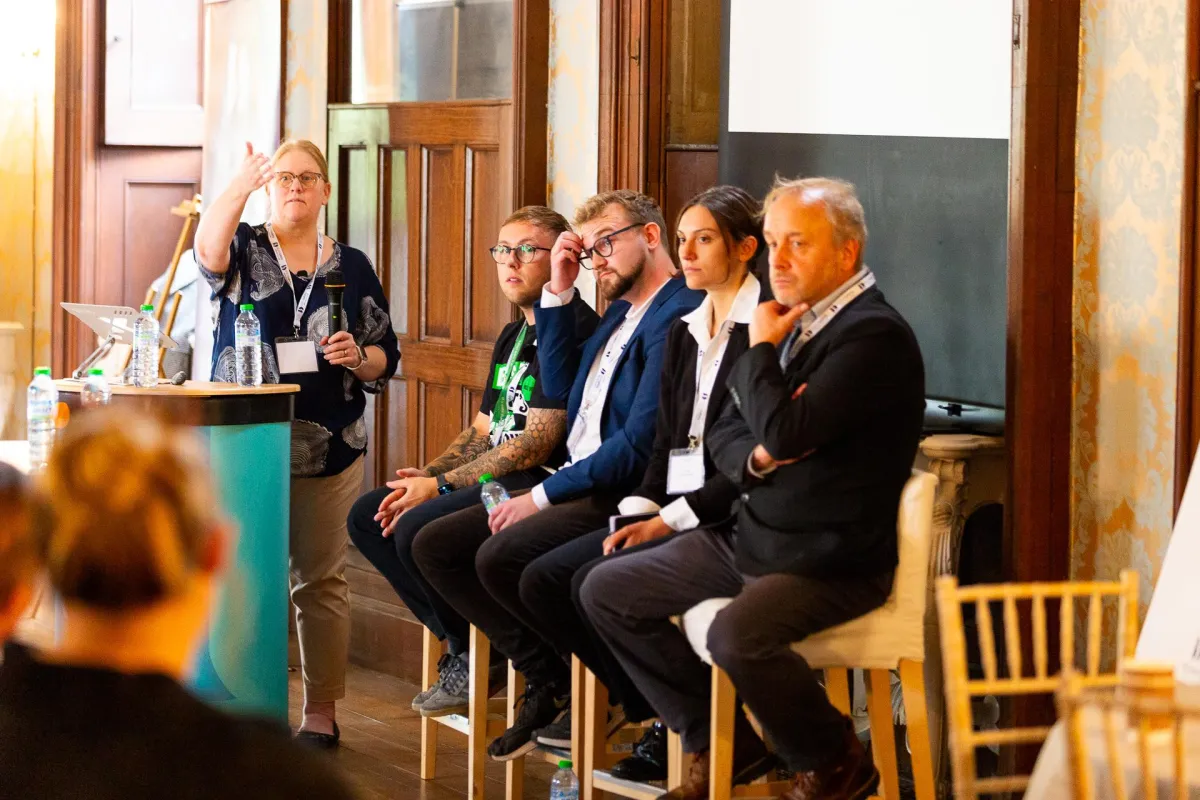
I have been working with audiences for almost 25 years in many guises - Lecturer, radio presenter, drama teacher, children's entertainer (I have been a professional fairy) facilitator, compare and speaker.
As a speaker I believe there has to be some substance behind us and I sure have that too. Not being able to settle and always saying "YES" to opportunities has led to a whole lot of experience that informs my work and my presentations.
At my core I am a purpose led social entrepreneur who loves to start a conversation about topics that matter.
I start those conversations with stories some that will surprise and some that will inspire. I talk about some difficult stuff and combine my unique expertise and knowledge.
Relatable, authentic and thought provoking
Lucy x
Neurodiversity
What is your perspective?
I come from a range of different perspectives when I talk about neurodiversity. From pedagogy, organisation development and leadership, research, personal and family and real lived experience. With a a strengths based approach I talk positively and with passion about change and neurodiversity in work, school and community.
I engage audiences to get them thinking and start conversations that will make and does make a lasting difference.
Change Management
Let me meet you at your
bus-stop
In the world of change management, it's not about imposing a new route; it's about understanding where you're starting from.
I have spent a decade working with senior leaders in transformational change where I have learned that change is often an individual journey and we will all join that journey from a different bus-stop.
I combine theory with reality and always have an eye on the future.
Life Stories
The secret change agent
A wealth of stories based on real lived experience with plenty of lessons for the future. Spilling some my secrets on here would be giving away some of my best work which you will want to hear straight from the source.
Oh, okay, let's just say I can talk about resilience, royalty, and some really fun stuff from a career in international law enforcement.
Social Enterprise
Making a difference - the torch that lights the stars
Lighting people up to make sustainable change happen is a big part of what I do. From setting up a community radio station to developing an innovative and groundbreaking conference around digital wellbeing and young people.
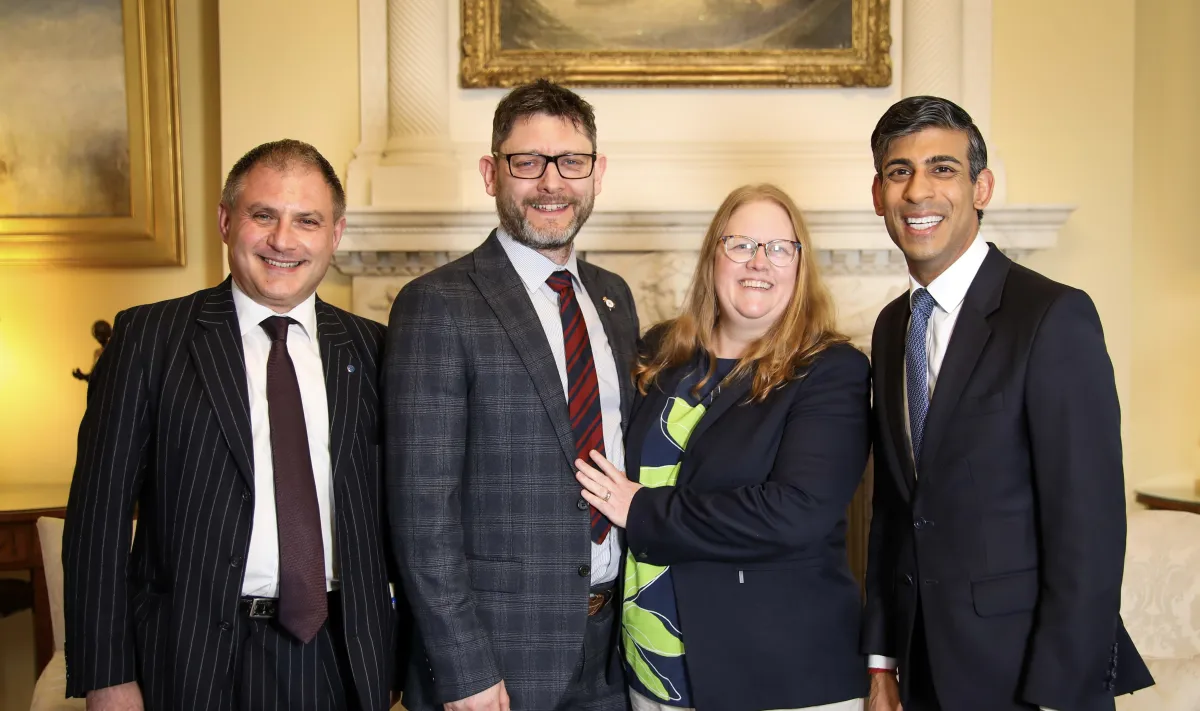
I talk the talk and walk the walk when it comes to social enterprise, from grass roots to engagement at the highest levels right up to Downing Street.
Neurodiversity in the workplace
Delivering practical workshops, interactive webinars and tailored team development sessions.
Lucy explores how embracing neurodiversity drives creativity, collaboration and wellbeing at work.
-Understanding the strengths and challenges of neurodivergent colleagues
-Practical adjustments and inclusive communication strategies for teams
-Building a culture where neurodivergent talent can thrive and contribute fully

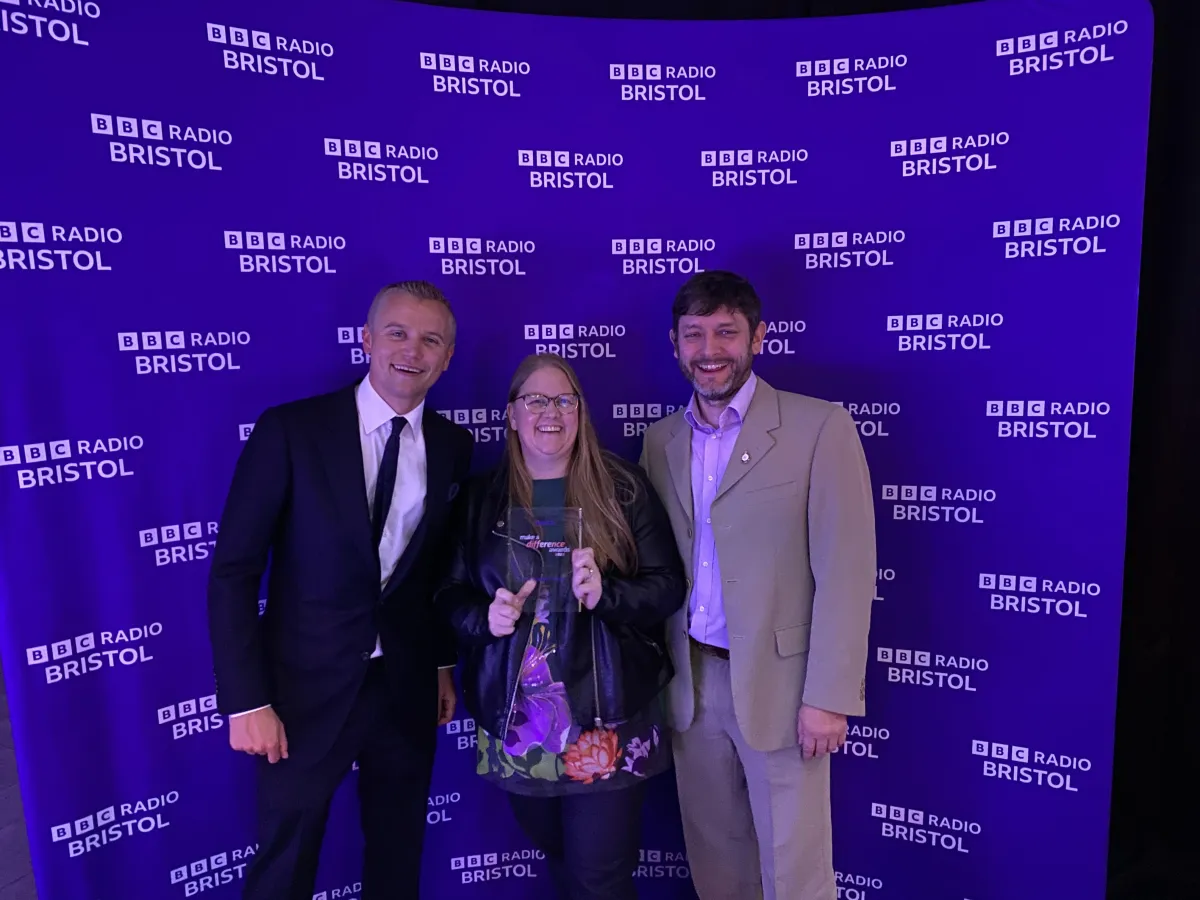


What do other people say?
Don't take it from me, here is what others say about working with me.
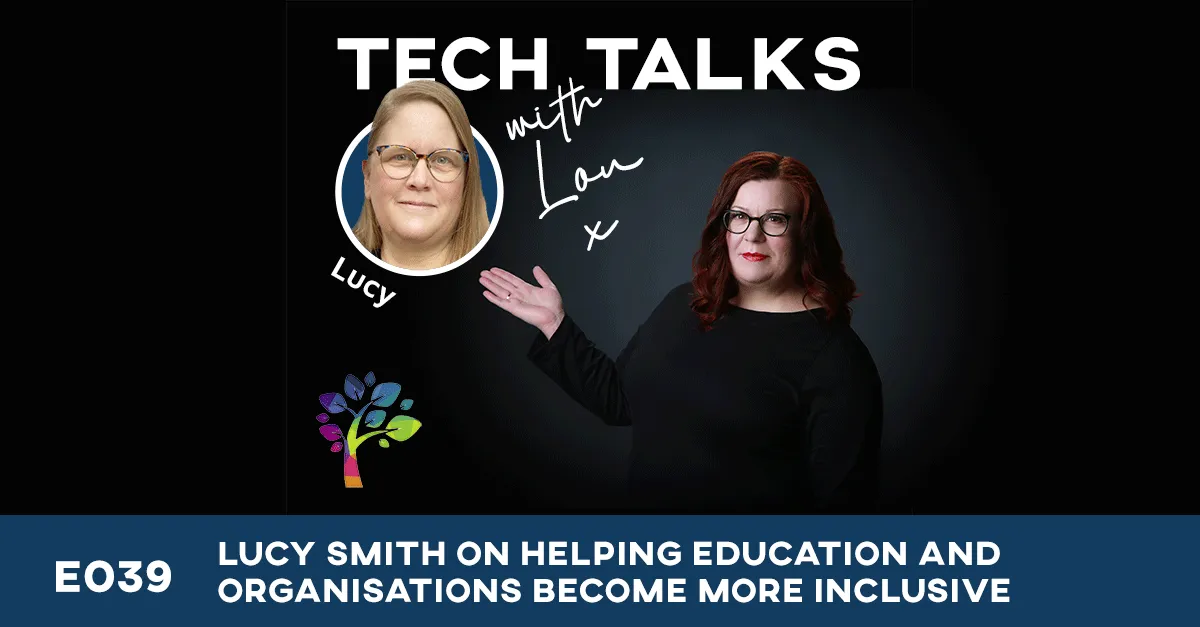
Listen online
Podcasts, interviews and YouTube
Read more
The blog
Managers are not Therapists
Managers are not therapists - but modern leadership does require something different
One concern that came up repeatedly after our Supporting Parents Lunch and Learn was this: managers are overwhelmed too. And that is true.
Many managers are trying to support their teams, deliver against targets, manage organisational change, maintain morale, navigate legal risk, and hold wellbeing conversations often while carrying their own caring responsibilities outside of work. So when we talk about supporting parents of neurodivergent children in the workplace, it is important to say clearly: managers are not therapists. They should not become counsellors, social workers, or substitute crisis teams.
But modern leadership does increasingly require something different from traditional line management.
What modern leadership actually asks for
The role of the manager in a complex, human-centred workplace has shifted. The most effective leaders today are less focused on performance oversight and more focused on reducing friction, creating psychological safety, and helping people navigate systems. That means being a facilitator, a connector, a stabiliser, and at time, a translator between what an employee is experiencing and what the organisation needs to understand.
It means reducing unnecessary complexity. Creating predictability where possible. Holding supportive conversations without needing to have all the answers. Signposting help. Responding consistently. And being willing to say, without any fanfare: 'You do not have to navigate this alone.' That is not therapy. It is human leadership. And there is an important distinction.
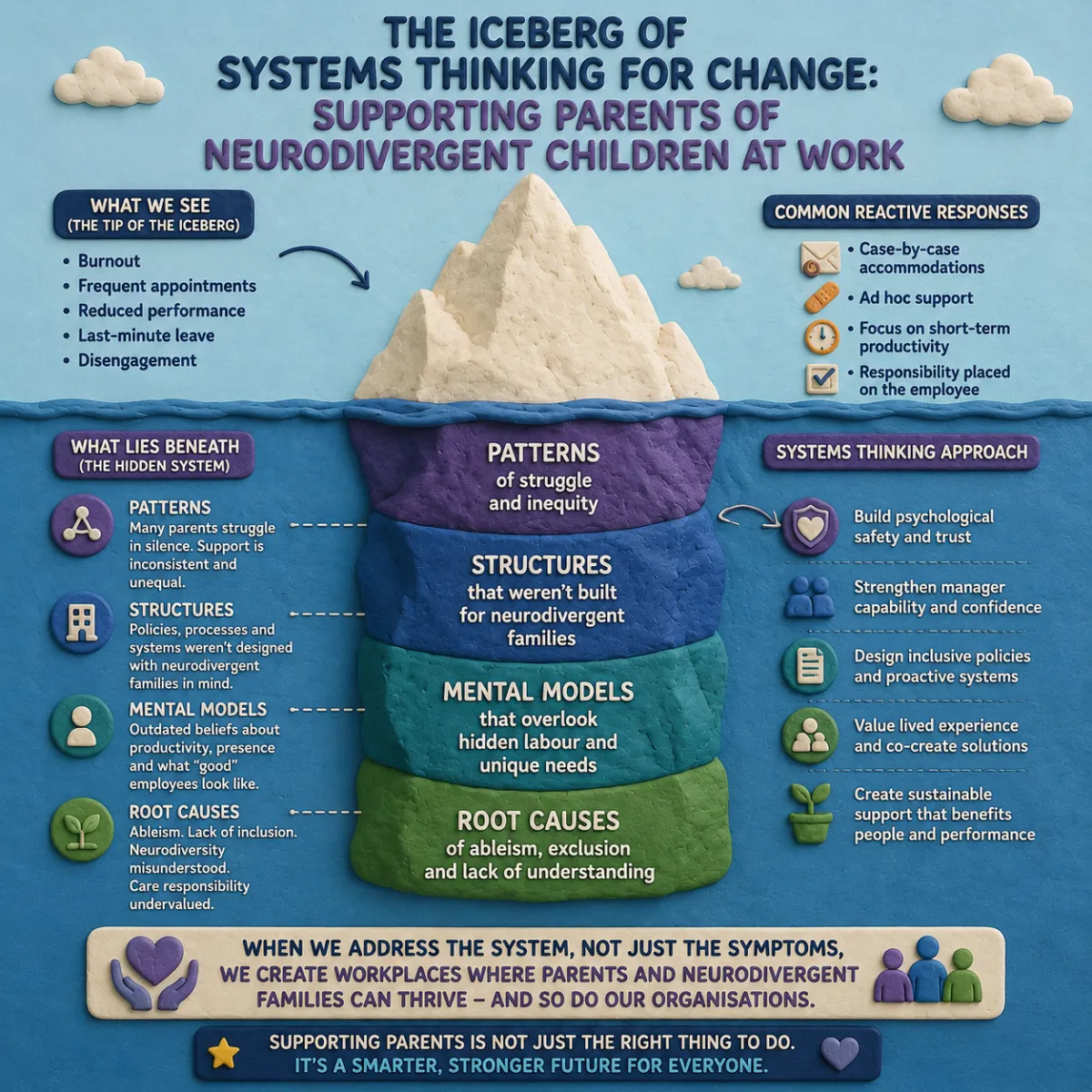
Where the iceberg meets the manager
Systems thinking helps us understand why manager goodwill alone is never enough. When organisations rely on individual managers to improvise support without frameworks, they are operating at the event level of the iceberg, reacting to visible moments of difficulty without addressing the structures underneath that generate those moments in the first place.
The structures that actually determine whether a manager can support their team well include: access to training on neurodiversity and reasonable adjustments, clear escalation pathways, psychological safety within their own management relationships, and workloads that leave space for human conversations. When those structures are absent, even the most willing manager will eventually run out of road.
Framework note: underlying structures
Managers hold the boundary between mental models and lived experience. Training them without changing the structures around them - workload, policy, escalation routes - leaves them exposed and your employees underserved.
The training gap nobody is talking about
One of the biggest mistakes organisations make is expecting managers to 'just know' how to do this. Most have never received meaningful training in neurodiversity, in supporting employees with caring responsibilities, in recognising burnout before it becomes absence, or in having psychologically safe conversations about capacity and adjustments.
They have often received training in performance management, appraisal processes, and HR procedures. But the skills required to support a team member who is managing an EHCP appeal, navigating a child's school crisis, or holding together an ageing parent's care package, while also delivering a project, are not the same skills. The gap between what managers are equipped to do and what they are being asked to do is exactly where many workplace problems emerge.
The burden of goodwill
When organisations rely on individual manager goodwill rather than systemic support, they create a fragile and inconsistent environment. Some employees are well supported. Others fall through the gaps depending on who they happen to report to. Some managers carry far more than they should, quietly absorbing the emotional weight of their team without any scaffolding of their own.
The organisations getting this right are not relying on heroic individuals. They are building systems around their managers: clear frameworks, escalation pathways, peer support structures, coaching access, practical guidance on neurodiversity and reasonable adjustments, and cultures where asking for help is normalised rather than penalised.
Designing for everyone in the system
If we genuinely want to build the future of work, we need to stop imagining that leadership is simply about performance management and productivity metrics. Modern leadership increasingly means helping human beings navigate complexity safely, and doing that well requires investment in the people doing the leading, not just the people being led.
Organisations that take this seriously will have managers who feel equipped and confident. Employees who feel seen and supported. Retention data that reflects genuine inclusion rather than surface-level wellbeing. And a workplace that is genuinely built for the world people are actually living in.
P.S.
If you are a manager who wants to feel more confident navigating these conversations, or an organisation looking to build better systems around your leadership team, Inclusive Change offers tailored training, mentoring, and consultancy. We work with managers, HR professionals, and senior leaders across a range of sectors. Get in touch at [email protected] to find out more.
Some of the Companies Inclusive Change Have Worked With


Inclusive Change Ltd
The Brightwell, Bradbury House
Wheatfield Drive
Bradley Stoke, Bristol
BS329DB
Reg no: 12412464
Copyright 2023 - Inclusive Change Ltd
VAT NO: 352 1564 17
ICO Reg: ZB081779
UK Register of Learning Providers: 10090652
Column Header
Lorem ipsum dolor sit amet consecetuer lorem ipsum
Organically grow the holistic world view of disruptive innovation
At the end of the day, going forward, a new normal that has evolved
Column Header
Lorem ipsum dolor sit amet consecetuer lorem ipsum
Organically grow the holistic world view of disruptive innovation
At the end of the day, going forward, a new normal that has evolved
Column Header
Lorem ipsum dolor sit amet consecetuer lorem ipsum
Organically grow the holistic world view of disruptive innovation
At the end of the day, going forward, a new normal that has evolved