





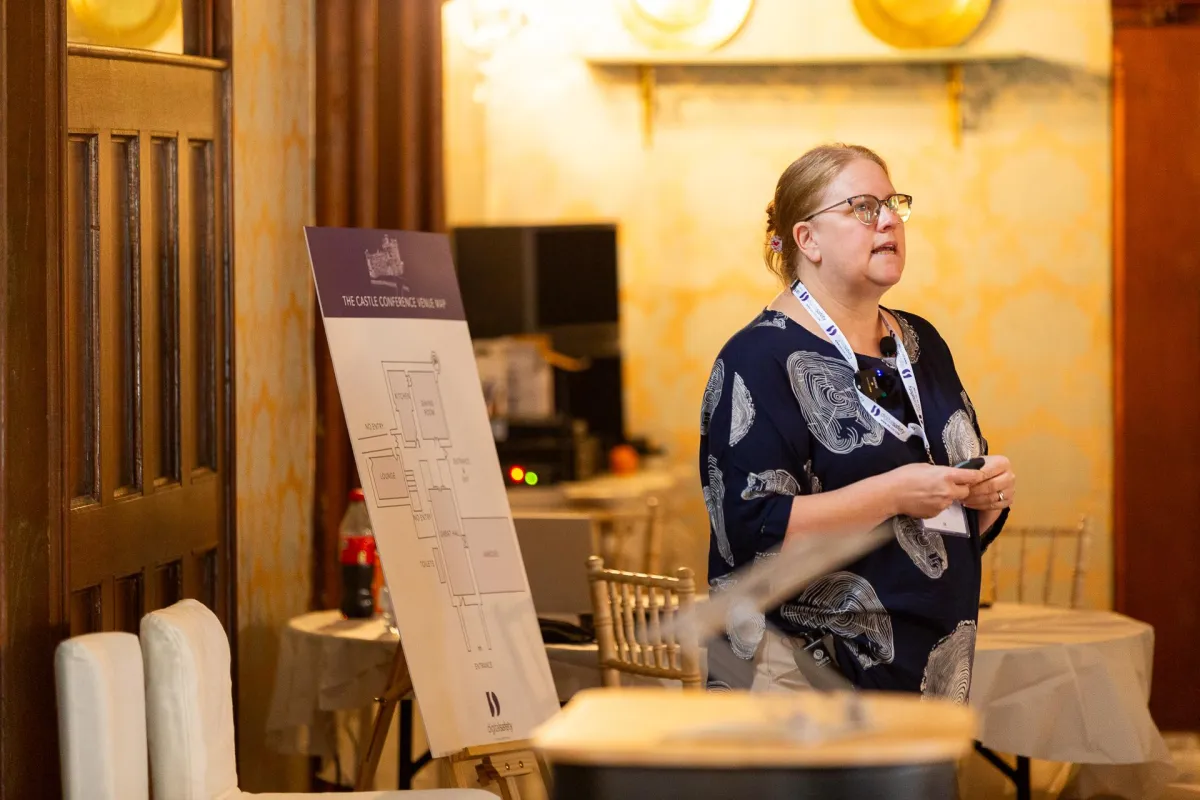
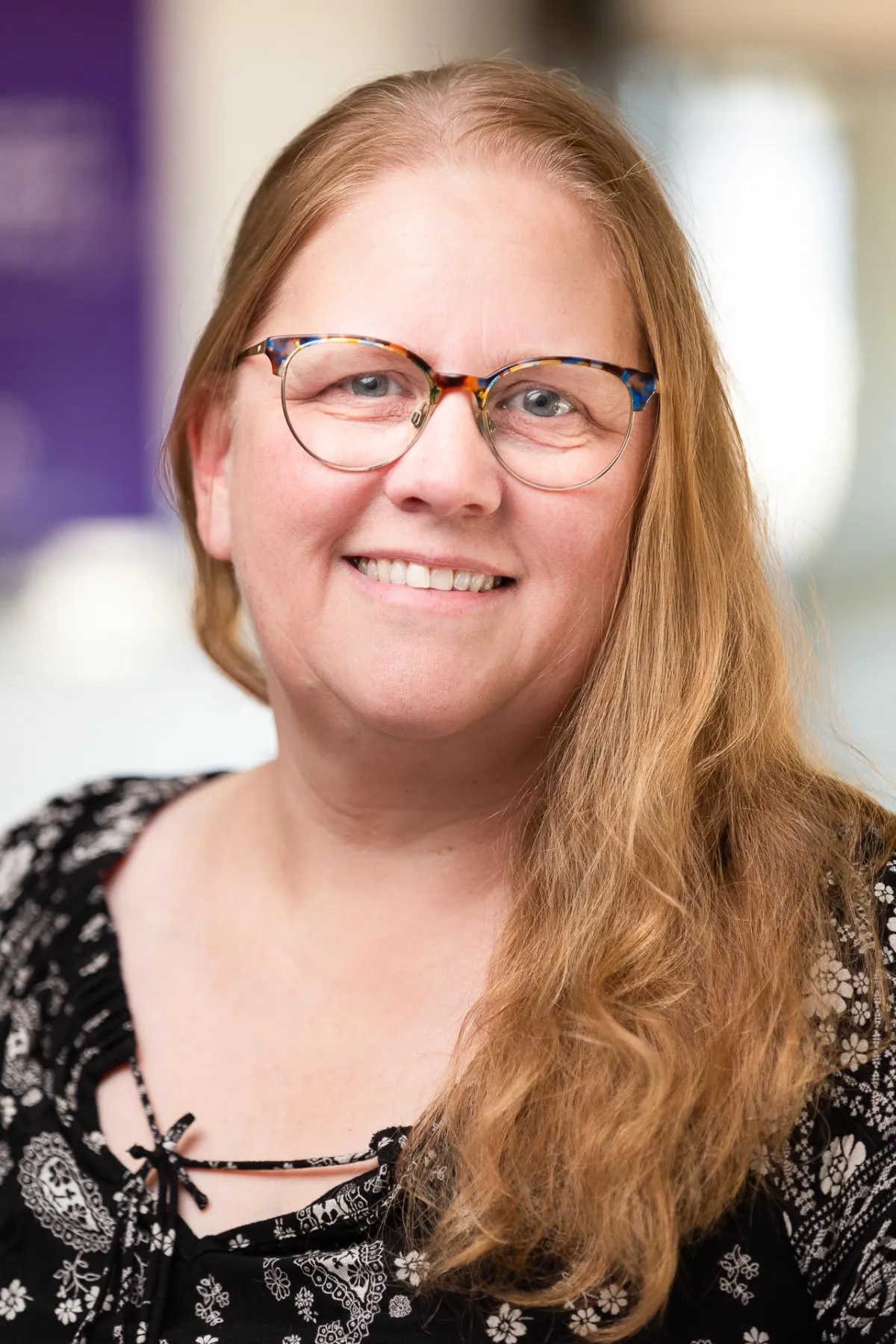
Lucy Smith
Neurodiversity & Inclusive Change Speaker, Facilitator, Compare
Lucy Smith, a keynote speaker on neurodiversity, resilience & inclusive change, helps organisations build inclusive, adaptive cultures that thrive on difference. Inspiring audiences & making a difference
Neurodiversity | Managing Change | Resilience
Life Stories | Social Enterprise
Authentic storytelling that makes a difference
Hi, I am Lucy!
Some people call me the "pocket rocket". I think that is because I have passion and energy to bring out the best in an audience.
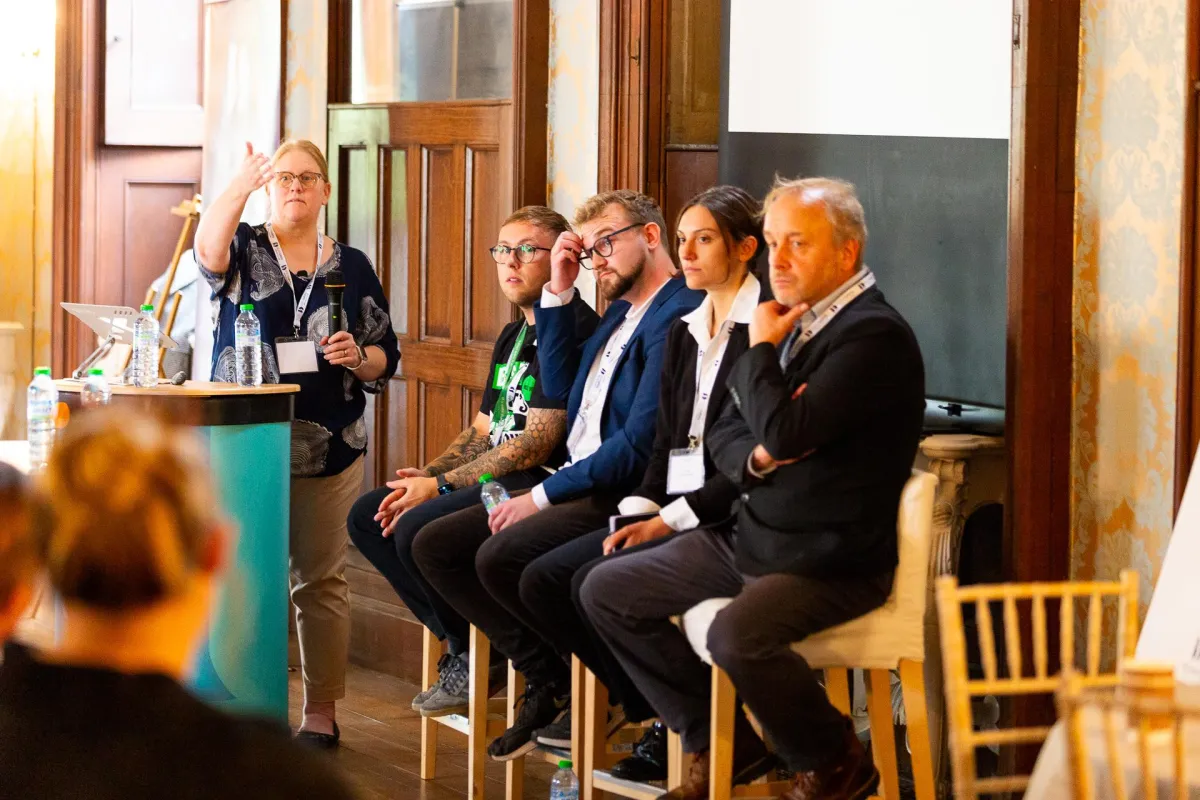
I have been working with audiences for almost 25 years in many guises - Lecturer, radio presenter, drama teacher, children's entertainer (I have been a professional fairy) facilitator, compare and speaker.
As a speaker I believe there has to be some substance behind us and I sure have that too. Not being able to settle and always saying "YES" to opportunities has led to a whole lot of experience that informs my work and my presentations.
At my core I am a purpose led social entrepreneur who loves to start a conversation about topics that matter.
I start those conversations with stories some that will surprise and some that will inspire. I talk about some difficult stuff and combine my unique expertise and knowledge.
Relatable, authentic and thought provoking
Lucy x
Neurodiversity
What is your perspective?
I come from a range of different perspectives when I talk about neurodiversity. From pedagogy, organisation development and leadership, research, personal and family and real lived experience. With a a strengths based approach I talk positively and with passion about change and neurodiversity in work, school and community.
I engage audiences to get them thinking and start conversations that will make and does make a lasting difference.
Change Management
Let me meet you at your
bus-stop
In the world of change management, it's not about imposing a new route; it's about understanding where you're starting from.
I have spent a decade working with senior leaders in transformational change where I have learned that change is often an individual journey and we will all join that journey from a different bus-stop.
I combine theory with reality and always have an eye on the future.
Life Stories
The secret change agent
A wealth of stories based on real lived experience with plenty of lessons for the future. Spilling some my secrets on here would be giving away some of my best work which you will want to hear straight from the source.
Oh, okay, let's just say I can talk about resilience, royalty, and some really fun stuff from a career in international law enforcement.
Social Enterprise
Making a difference - the torch that lights the stars
Lighting people up to make sustainable change happen is a big part of what I do. From setting up a community radio station to developing an innovative and groundbreaking conference around digital wellbeing and young people.
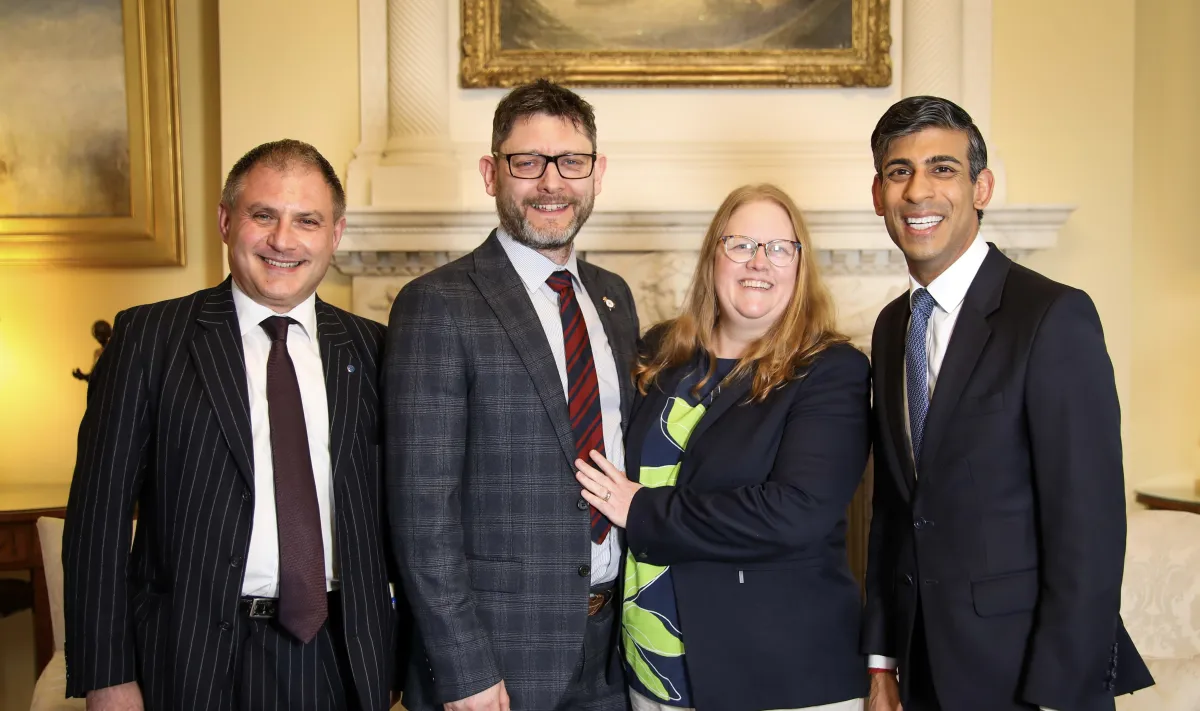
I talk the talk and walk the walk when it comes to social enterprise, from grass roots to engagement at the highest levels right up to Downing Street.
Neurodiversity in the workplace
Delivering practical workshops, interactive webinars and tailored team development sessions.
Lucy explores how embracing neurodiversity drives creativity, collaboration and wellbeing at work.
-Understanding the strengths and challenges of neurodivergent colleagues
-Practical adjustments and inclusive communication strategies for teams
-Building a culture where neurodivergent talent can thrive and contribute fully

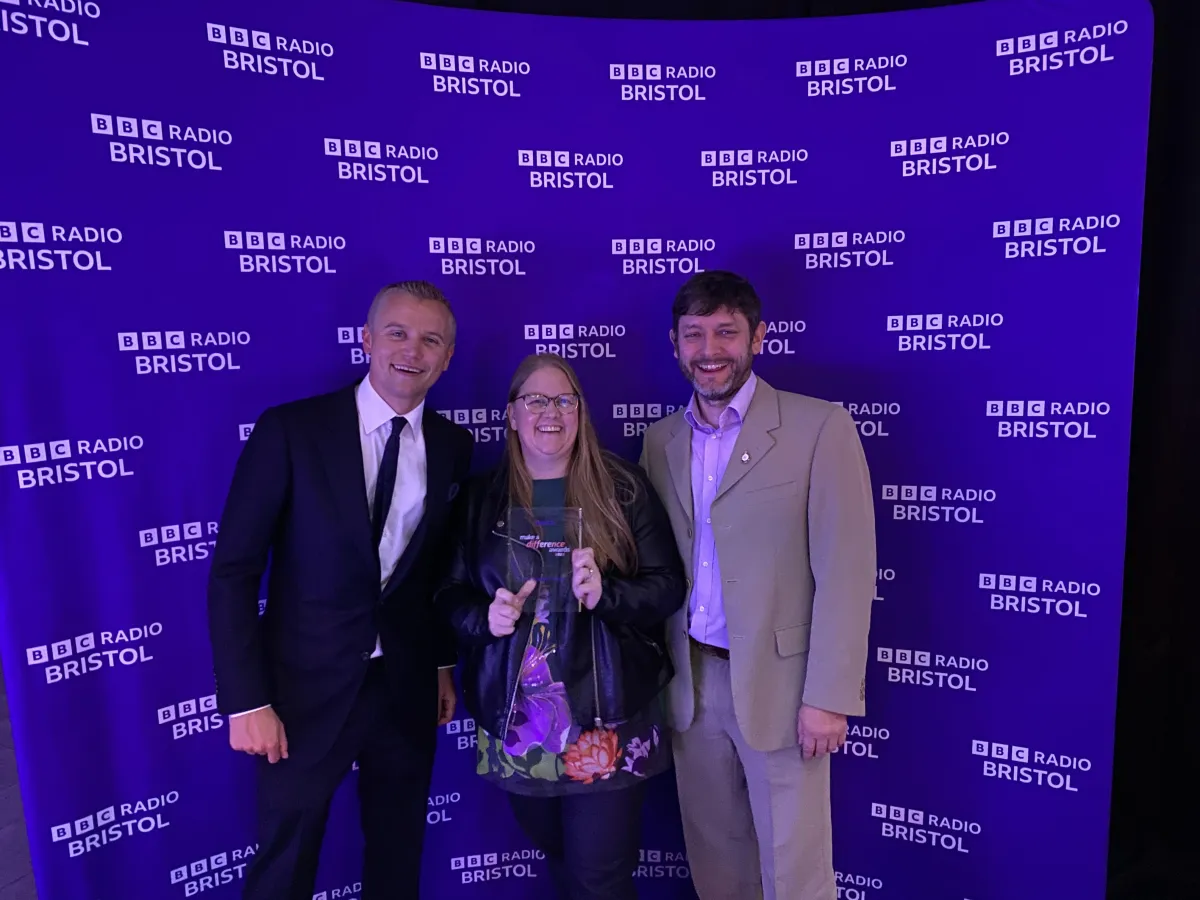


What do other people say?
Don't take it from me, here is what others say about working with me.
Listen online
Podcasts, interviews and YouTube

Read more
The blog
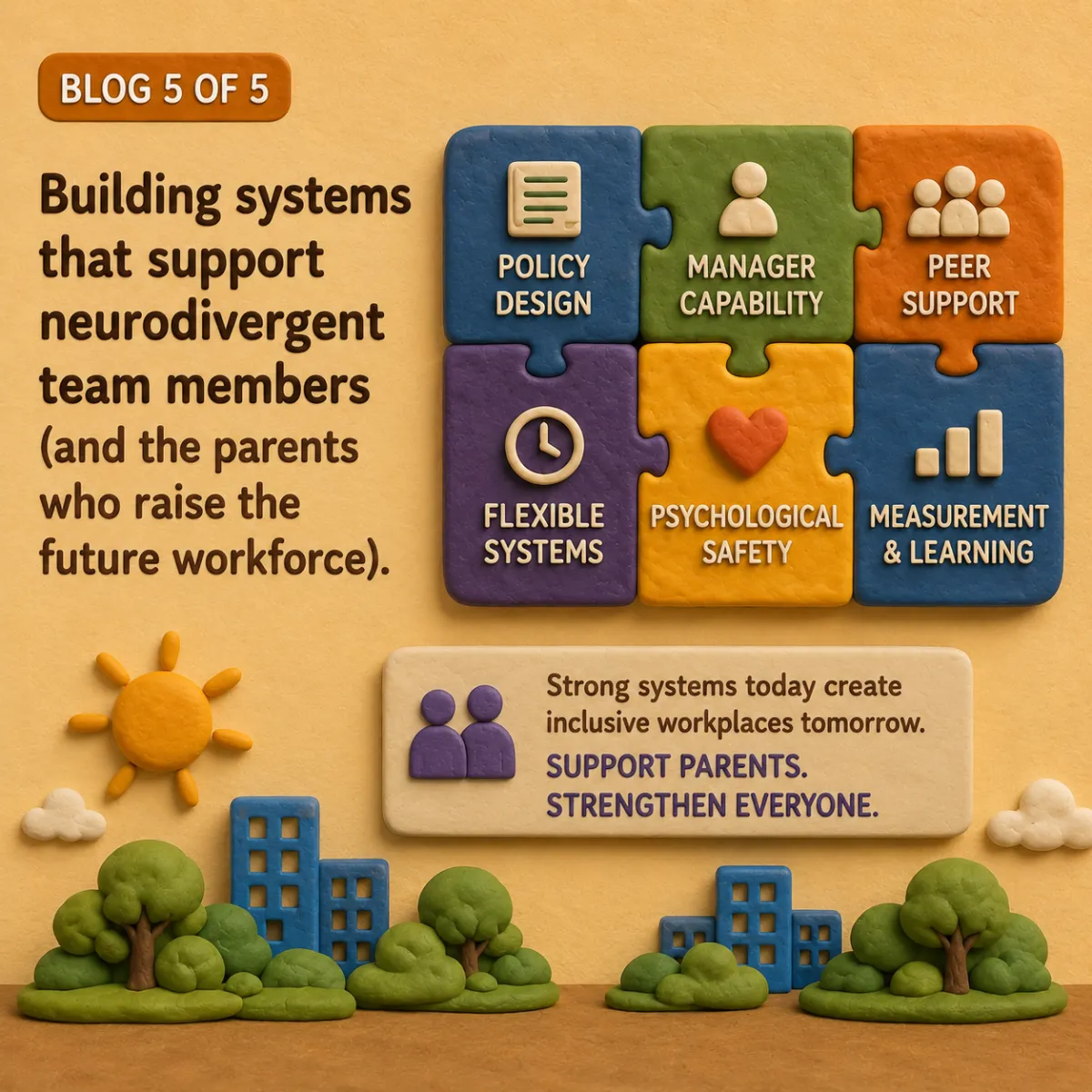
From Awareness to Embedded Practice
From awareness to embedded practice: what a real change programme looks like
The first four blogs in this series have made the case. Workplaces are not keeping pace with the reality of modern caring. Flexibility is not enough. Managers are not equipped. The patterns are hiding in plain sight. And the mental models underneath it all - the beliefs that caring is private, that support means lowering standards, that resilience is the answer - are quietly costing organisations the people they can least afford to lose.
This final blog is about what to actually do about it.
Not in a vague, 'start a conversation' sense. But in a structured, sequenced, outcomes-focused sense, the kind of change programme that moves an organisation from awareness through to embedded, system-led practice. Because awareness without architecture is just a good seminar. And good seminars do not change cultures.
Start with the iceberg, not the event
Most organisations begin their inclusion work at the wrong layer. A staff member resigns. Or there is a tribunal. Or someone raises a grievance. And the response is event-level: a training session, a policy refresh, a manager conversation. That is not nothing. But it is not change.
A real change programme starts by mapping what is actually happening beneath the surface. What patterns are recurring? Where are the structural gaps — in policy, in workload design, in manager capability? And what are the mental models that are generating all of it? The iceberg is not just a diagnostic metaphor. It is a planning tool. The interventions that create lasting change are the ones that work at all four layers simultaneously, not just the ones that are easiest to point to.
Diagnostic question
Before designing any intervention, ask:
"Are we responding to the event, or are we addressing the structure that keeps generating it?"
If the answer is 'the event', go deeper.
Map the forces before you design the solution
Lewin's Force Field Analysis gives us a practical way to understand what is working for change and what is working against it. In the context of supporting parents of neurodivergent children at work, the driving forces are real and growing: rising identification of neurodivergence, the Employment Rights Act 2025, reputational pressure, retention risk, and the growing number of senior leaders who are parents of neurodivergent children themselves and who understand this from the inside.
The restraining forces are equally real: manager confidence gaps, fear of legal exposure, the stigma around disclosure, unsustainable workloads already baked into the baseline, and the persistent belief that support is somehow in tension with performance.
The instinct is to push harder on the drivers. Run more campaigns. Publish more data. Strengthen the business case. But Lewin's insight is that the more powerful lever is to actively reduce the restrainers. A manager who has been trained, given frameworks, and told that asking for help is expected rather than a sign of weakness is a different proposition entirely from a manager who is simply told to 'be more supportive.' Remove the barrier, and the driving forces do their job.
Sequence the change - meet people on the curve
Change does not happen in a single moment. People move through it. The change curve - informed by Kübler-Ross and adapted widely for organisational contexts - gives us a map of that journey: from initial shock and denial ('I didn't know this was happening / surely it's not that common'), through resistance and overwhelm ('this is too complicated / I don't know how to fix it'), into exploration and commitment ('let's try something / this is actually working'), and finally into embedded practice ('this is just how we work here').
The mistake most organisations make is to design a single intervention and deploy it across all of these stages at once. A manager in denial does not need a policy framework yet. They need a story that makes the reality undeniable. A manager in overwhelm does not need another webinar. They need a practical tool and a safe space to practice using it. A manager in the exploration phase does not need more convincing. They need peer connection and a structure to build on.
Change curve principle
Interventions must be sequenced to meet people where they actually are, not where we wish they were. The most technically excellent training programme will fail if it is delivered to people who are still in denial.
What a sequenced programme looks like in practice
Phase one is awareness. Lunch and Learns, storytelling, data that makes the invisible visible. The goal is not to persuade, it is to make denial harder. Use lived experience, not statistics alone. Statistics inform the head. Stories shift the heart. And it is the heart that changes mental models.
Phase two is engagement. Safe space conversations, facilitated manager workshops, honest audit of existing policies against real employee experience. This is where resistance surfaces and where it needs to be heard, not managed. People who feel heard move through the curve faster than people who feel overridden.
Phase three is design. Working groups that include parents, managers, and HR together. Reasonable adjustment frameworks that are practical, not theoretical. Carer disclosure pathways that people actually trust. Peer support structures. Workload review. This is the structures layer of the iceberg and it is where most programmes stop short, which is why most programmes do not hold.
Phase four is embedding. Training becomes standard rather than optional. Manager capability is assessed, not assumed. Data on carer experience is tracked alongside engagement and retention data. Leaders model the behaviours publicly. And the question shifts from 'are we doing this?' to 'is it working, and how do we know?'
The desired outcome and how to know when you are getting there
The desired outcome of a change programme like this is not a policy document or a completed training module. It is a workplace where sustainable participation for parent carers - including those managing neurodivergent children, ageing relatives, or both - is a designed-in feature of how the organisation operates, not a favour granted by the right manager.
You know you are getting there when: managers feel equipped rather than exposed; parent carers disclose early rather than waiting until crisis; reasonable adjustments are normalised rather than exceptional; sickness absence and turnover data start to tell a different story; and senior leaders are talking about this not because HR asked them to, but because they understand it matters.
None of that happens quickly. And none of it happens from a standing start. But all of it is achievable with the right sequencing, the right frameworks, and the willingness to work at every layer of the iceberg, not just the ones that are easiest to reach.
Where Inclusive Change comes in
This is the work we do. We support organisations to move from awareness through to embedded, system-led practice through consultancy that starts with honest diagnosis, training and Lunch and Learn programmes that meet people on the change curve, manager coaching and mentoring that builds genuine capability, and ongoing support that keeps the momentum going after the initial programme ends.
Whether you are at the beginning of this journey, somewhere in the middle, or trying to understand why a previous initiative did not hold, we can help you work out where you are and what to do next.
P.S.
If you are ready to move from awareness to action, we would love to talk. Inclusive Change offers bespoke change programmes, training, consultancy, and mentoring for organisations navigating neurodiversity and caring responsibilities in the workplace. Get in touch at [email protected] — and let's build something that actually holds.
Some of the Companies Inclusive Change Have Worked With


Inclusive Change Ltd
The Brightwell, Bradbury House
Wheatfield Drive
Bradley Stoke, Bristol
BS329DB
Reg no: 12412464
Copyright 2023 - Inclusive Change Ltd
VAT NO: 352 1564 17
ICO Reg: ZB081779
UK Register of Learning Providers: 10090652
Column Header
Lorem ipsum dolor sit amet consecetuer lorem ipsum
Organically grow the holistic world view of disruptive innovation
At the end of the day, going forward, a new normal that has evolved
Column Header
Lorem ipsum dolor sit amet consecetuer lorem ipsum
Organically grow the holistic world view of disruptive innovation
At the end of the day, going forward, a new normal that has evolved
Column Header
Lorem ipsum dolor sit amet consecetuer lorem ipsum
Organically grow the holistic world view of disruptive innovation
At the end of the day, going forward, a new normal that has evolved