





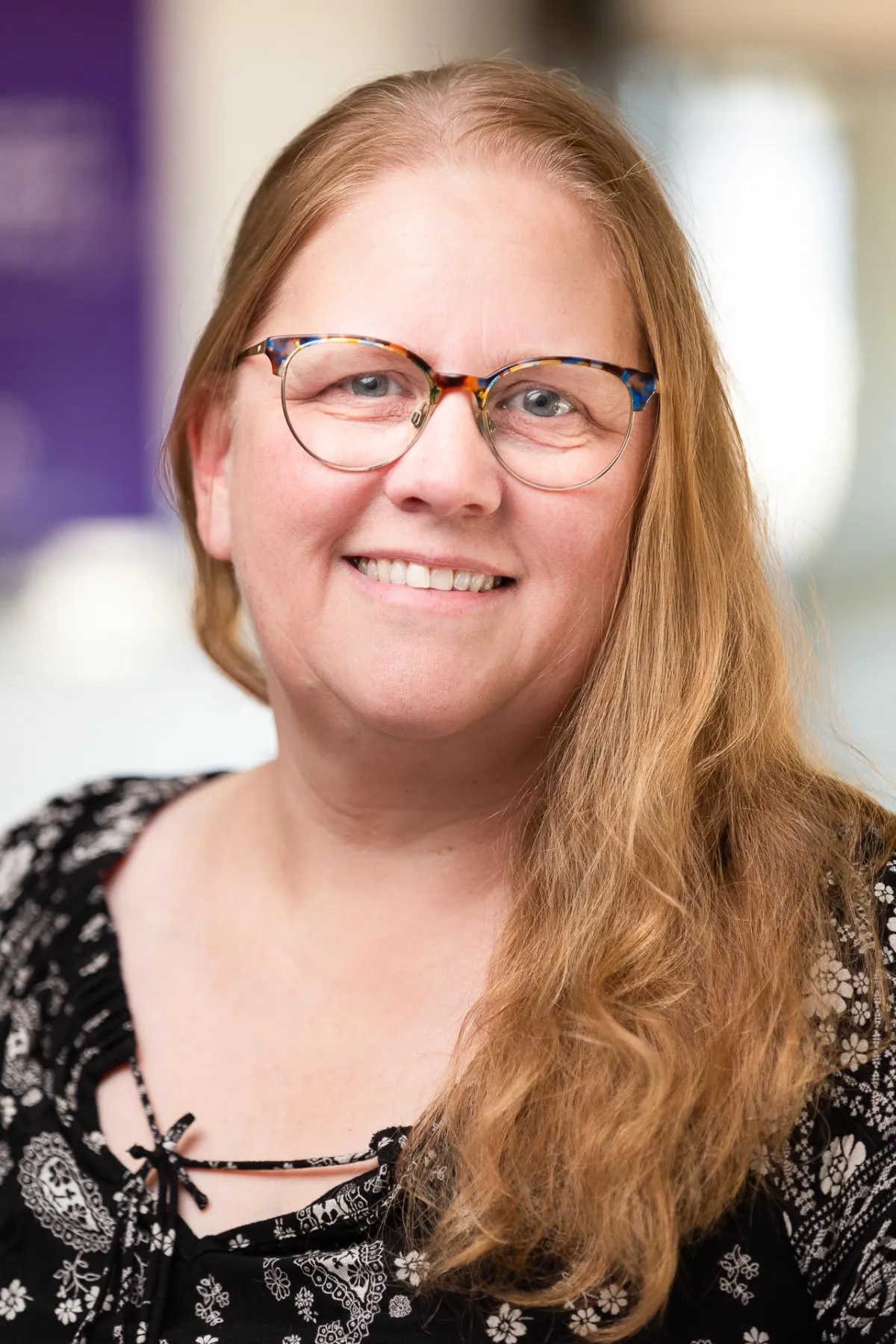
Lucy Smith
Neurodiversity & Inclusive Change Speaker, Facilitator, Compare
Lucy Smith, a keynote speaker on neurodiversity, resilience & inclusive change, helps organisations build inclusive, adaptive cultures that thrive on difference. Inspiring audiences & making a difference
Neurodiversity | Managing Change | Resilience
Life Stories | Social Enterprise
Authentic storytelling that makes a difference
Hi, I am Lucy!
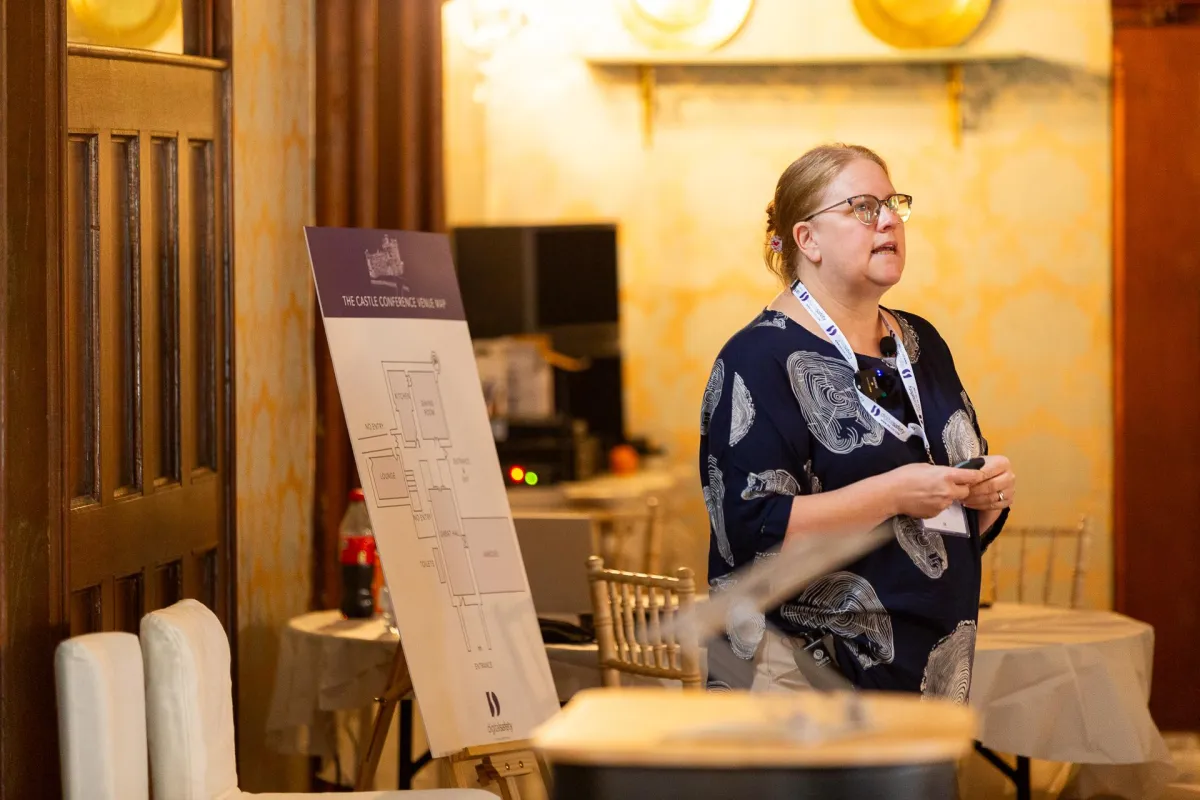
Some people call me the "pocket rocket". I think that is because I have passion and energy to bring out the best in an audience.
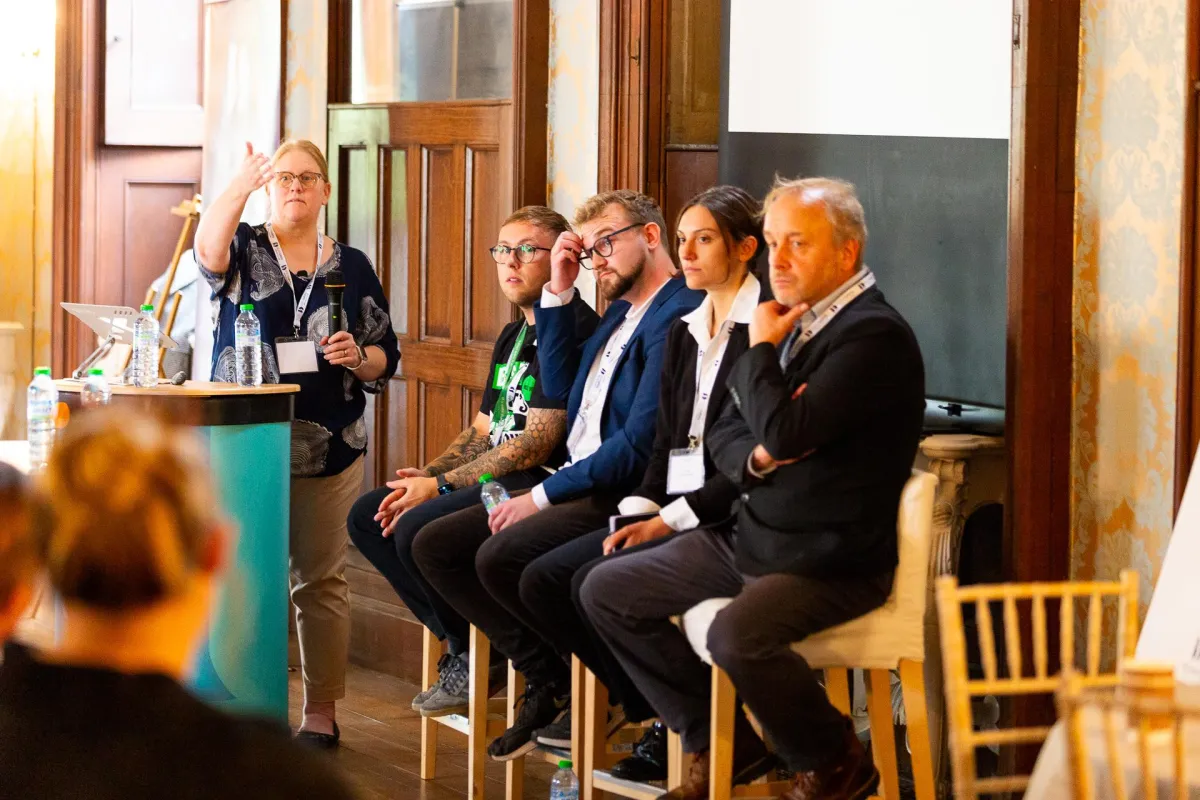
I have been working with audiences for almost 25 years in many guises - Lecturer, radio presenter, drama teacher, children's entertainer (I have been a professional fairy) facilitator, compare and speaker.
As a speaker I believe there has to be some substance behind us and I sure have that too. Not being able to settle and always saying "YES" to opportunities has led to a whole lot of experience that informs my work and my presentations.
At my core I am a purpose led social entrepreneur who loves to start a conversation about topics that matter.
I start those conversations with stories some that will surprise and some that will inspire. I talk about some difficult stuff and combine my unique expertise and knowledge.
Relatable, authentic and thought provoking
Lucy x
Neurodiversity
What is your perspective?
I come from a range of different perspectives when I talk about neurodiversity. From pedagogy, organisation development and leadership, research, personal and family and real lived experience. With a a strengths based approach I talk positively and with passion about change and neurodiversity in work, school and community.
I engage audiences to get them thinking and start conversations that will make and does make a lasting difference.
Change Management
Let me meet you at your
bus-stop
In the world of change management, it's not about imposing a new route; it's about understanding where you're starting from.
I have spent a decade working with senior leaders in transformational change where I have learned that change is often an individual journey and we will all join that journey from a different bus-stop.
I combine theory with reality and always have an eye on the future.
Life Stories
The secret change agent
A wealth of stories based on real lived experience with plenty of lessons for the future. Spilling some my secrets on here would be giving away some of my best work which you will want to hear straight from the source.
Oh, okay, let's just say I can talk about resilience, royalty, and some really fun stuff from a career in international law enforcement.
Social Enterprise
Making a difference - the torch that lights the stars
Lighting people up to make sustainable change happen is a big part of what I do. From setting up a community radio station to developing an innovative and groundbreaking conference around digital wellbeing and young people.
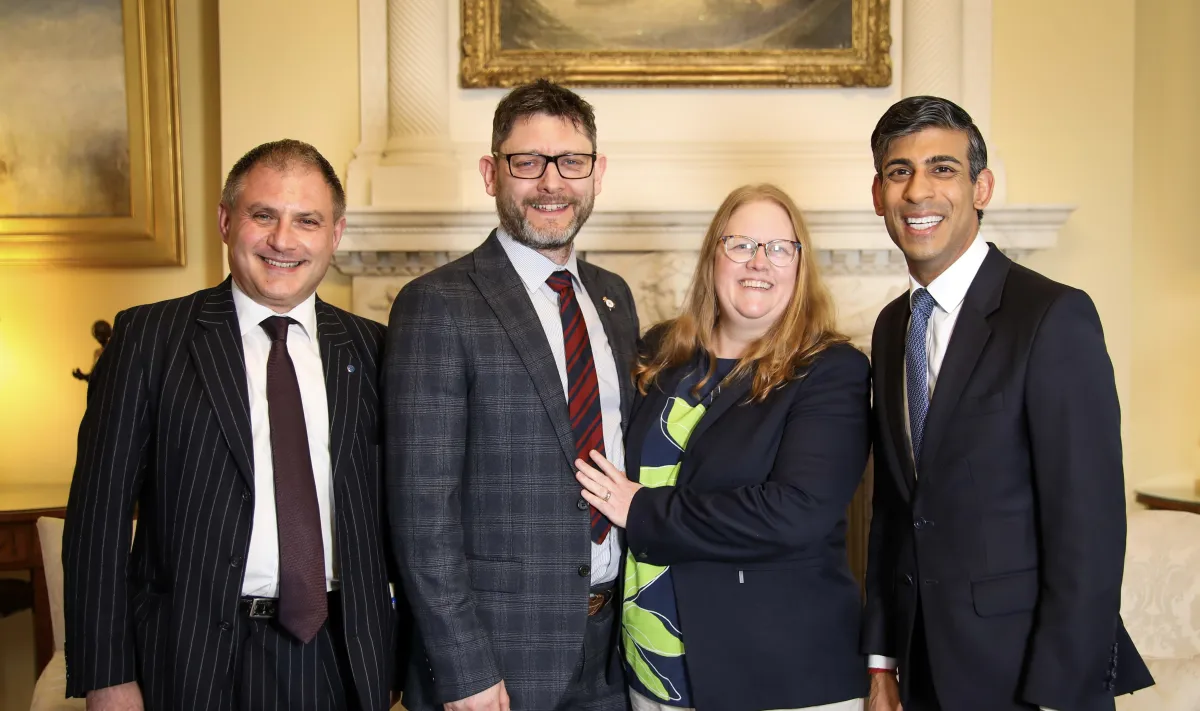
I talk the talk and walk the walk when it comes to social enterprise, from grass roots to engagement at the highest levels right up to Downing Street.
Neurodiversity in the workplace
Delivering practical workshops, interactive webinars and tailored team development sessions.
Lucy explores how embracing neurodiversity drives creativity, collaboration and wellbeing at work.
-Understanding the strengths and challenges of neurodivergent colleagues
-Practical adjustments and inclusive communication strategies for teams
-Building a culture where neurodivergent talent can thrive and contribute fully




What do other people say?
Don't take it from me, here is what others say about working with me.
Listen online
Podcasts, interviews and YouTube

Read more
The blog
Staying Safe Online, with Megan Haldane
The Problem: Overwhelm, Avoidance, and Safety
One of the most surprising things that emerged from our work with neurodivergent young people was a strong aversion to social media. Not just anxiety about certain apps or platforms, many young people preferred to avoid the online world entirely, rather than navigate it with safety strategies.
And Megan gets it.
“A lot of the tools we’ve created are built for neurotypical users,” she says. “They’re long-winded, jargon-heavy, and overwhelming.”
Her advice? Start small, and start smart.
Creating Confidence: Safe Lurking and Digital Literacy
Megan introduced a concept she calls 'safe lurking'. It means hanging back and observing an online community before participating. No pressure to post, no expectation to comment, just watching, listening, and learning.
“You don’t need to have a full digital presence on day one. You can decide where and how you want to engage.”
Another key strategy: practical, hands-on learning. Instead of presenting privacy settings or AI tools through static PowerPoints or complex guides, we should build 'sandbox' environments - spaces where young people can test settings, explore features, and safely make mistakes.
This kind of immersive, repetition-based learning is especially helpful for neurodivergent users, Megan notes. “Break it, fix it, learn it. That’s how I learn.”
Language Matters: Making Digital Safety Accessible
One recurring theme throughout the episode was how language and format shape access to online safety. Traditional approaches, assemblies, text-heavy leaflets, or 'click here to learn more' PDFs, can unintentionally exclude neurodivergent learners.
We need:
Infographics and visual aids
Role-play scenarios with consequences
Tools that prioritise plain language
Interactive, personalised learning experiences
Better yet, we need to design those tools with neurodivergent people, not just for them.
Peer Mentorship: Learning from Each Other
Megan’s big idea? Peer mentorship.
She’s seen first-hand how effective it can be when neurodivergent young people help each other navigate online spaces.
“Young people don’t always want to learn from adults, they think we’re dinosaurs! But they’ll listen to each other.”
Whether it’s cyber buddies, anti-bullying ambassadors, or digital citizenship schemes, empowering young people to lead change could be the most powerful safety tool we have.
Gaming, Bullying & Reporting
For many neurodivergent youth, gaming is a main social outlet. But it's also a space that’s become a hotbed for scams, bullying, and exploitation.
Megan highlights the challenges law enforcement faces in these spaces:
Platforms often allow anonymous behaviour, making it harder to track offenders.
Threats evolve quickly, especially with the introduction of AI.
Many incidents go unreported, leaving law enforcement and support teams unaware of emerging risks.
“Reporting matters, even if you think it’s small,” Megan says. “It helps us protect hundreds, even thousands, of other people.”
So where should you report?
If someone is in danger: Call 999 (emergency) or 101 (non-emergency)
For scams/fraud: Report to Action Fraud
For platform-based issues: Use the in-app reporting tool
Too overwhelmed? Ask a trusted adult to report on your behalf
And yes, online forms, text-based submissions, and accessible reporting are improving, so you don’t always have to make a phone call.
AI: A Blessing and a Risk
Artificial intelligence is becoming part of our everyday online experience, from recommended videos to predictive text, voice assistants to image filters. So, what does that mean for disabled and neurodivergent users?
The Risks:
Sophisticated scams and impersonations using AI-generated images, video, and audio
Misinformation spread through AI-powered content farms
Over-reliance on tools like ChatGPT, which may replace rather than support cognitive effort
The Benefits:
Enhanced accessibility (speech-to-text, filtered visuals, easier interfaces)
Content moderation to flag harmful messages
Phishing and scam detection through AI-powered alerts
Learning tools that summarise or simplify complex documents
“You can use AI to translate things into easy-read formats,” Megan says. “Just don’t tell it anything you wouldn’t want shared publicly.”
Building Safer Digital Futures
Safety isn’t just about avoiding risk. It’s about resilience - the ability to try, fall, and try again.
Young people should be supported to:
Set digital boundaries (what content and platforms are okay)
Build self-awareness (when to step back)
Develop coping strategies (who to turn to when something goes wrong)
Ask for help, and know that’s not a weakness
And let’s not forget that offline safety and validation are just as important. Some youth may never fully engage online, and that’s okay too.
Careers in Cyber: Megan’s Journey
To wrap up the episode, Megan shared her own path into cyber protection, and it’s not what you’d expect.
She started out in veterinary nursing, working hands-on with animals. But during the pandemic, she re-evaluated what she wanted and transitioned into law enforcement, eventually finding her perfect fit in the Cyber Protect team.
Now she works every day to empower others and make the internet a safer place.
“You don’t need tech qualifications to start. Just curiosity, empathy, and a willingness to learn.”
Her journey is proof that career paths aren’t straight, and that there’s space for everyone in cyber and digital safety, especially neurodivergent people.
Want to learn more?
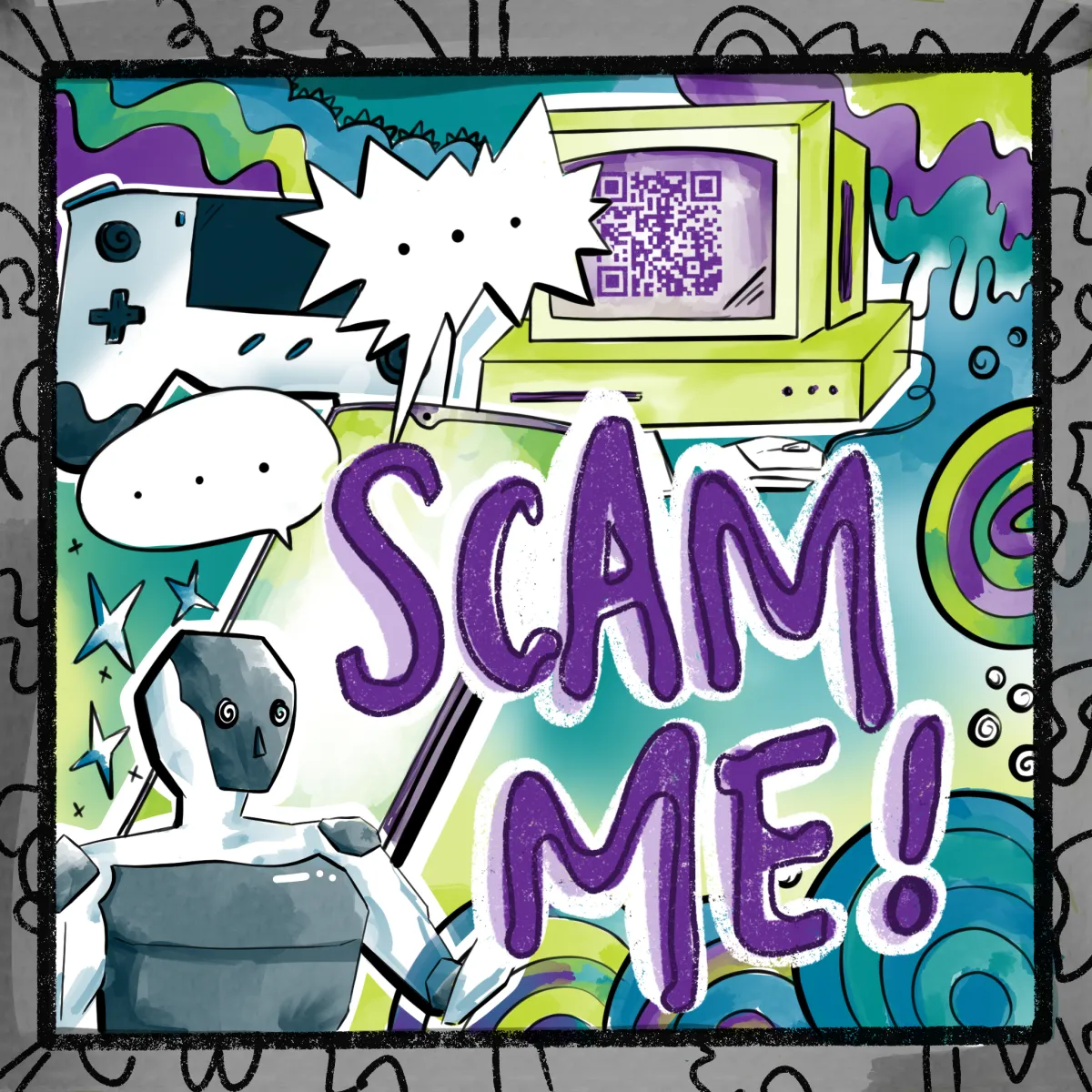
Listen to Scam Me’ here on YouTube: Learning Inclusive Change
Visit Avon & Somerset Police & Crime Commissioner here: Avon & Somerset Police & Crime Commissioner here
Follow Inclusive Change on LinkedIn: Inclusive Change Ltd - and Facebook: Inclusive Change
And remember, cybersecurity starts with you!

Some of the Companies Inclusive Change Have Worked With


Inclusive Change Ltd
The Brightwell, Bradbury House
Wheatfield Drive
Bradley Stoke, Bristol
BS329DB
Reg no: 12412464
Copyright 2023 - Inclusive Change Ltd
VAT NO: 352 1564 17
ICO Reg: ZB081779
UK Register of Learning Providers: 10090652
Column Header
Lorem ipsum dolor sit amet consecetuer lorem ipsum
Organically grow the holistic world view of disruptive innovation
At the end of the day, going forward, a new normal that has evolved
Column Header
Lorem ipsum dolor sit amet consecetuer lorem ipsum
Organically grow the holistic world view of disruptive innovation
At the end of the day, going forward, a new normal that has evolved
Column Header
Lorem ipsum dolor sit amet consecetuer lorem ipsum
Organically grow the holistic world view of disruptive innovation
At the end of the day, going forward, a new normal that has evolved