




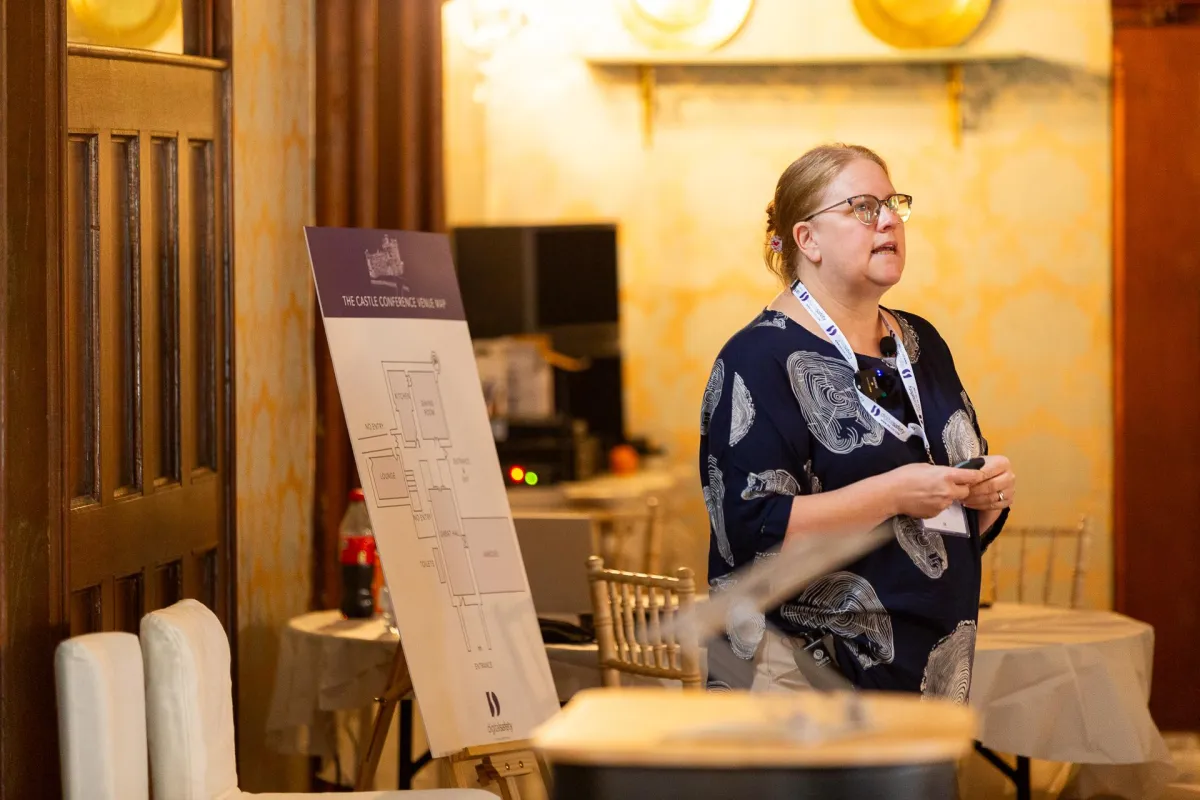
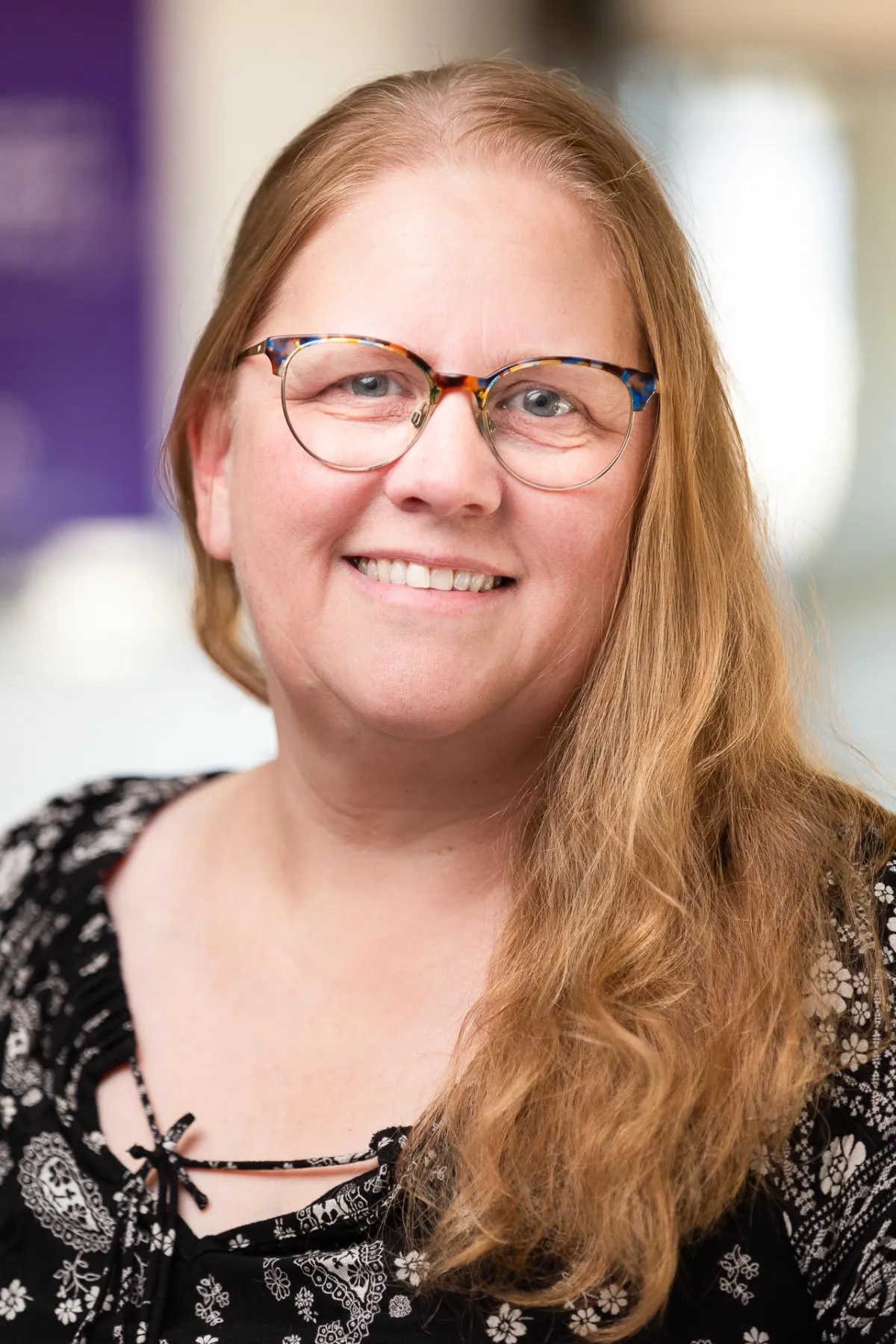
Lucy Smith
Neurodiversity & Inclusive Change Speaker, Facilitator, Compare
Lucy Smith, a keynote speaker on neurodiversity, resilience & inclusive change, helps organisations build inclusive, adaptive cultures that thrive on difference. Inspiring audiences & making a difference
Neurodiversity | Managing Change | Resilience
Life Stories | Social Enterprise
Authentic storytelling that makes a difference
Hi, I am Lucy!
Some people call me the "pocket rocket". I think that is because I have passion and energy to bring out the best in an audience.
I have been working with audiences for almost 25 years in many guises - Lecturer, radio presenter, drama teacher, children's entertainer (I have been a professional fairy) facilitator, compare and speaker.
As a speaker I believe there has to be some substance behind us and I sure have that too. Not being able to settle and always saying "YES" to opportunities has led to a whole lot of experience that informs my work and my presentations.
At my core I am a purpose led social entrepreneur who loves to start a conversation about topics that matter.
I start those conversations with stories some that will surprise and some that will inspire. I talk about some difficult stuff and combine my unique expertise and knowledge.
Relatable, authentic and thought provoking
Lucy x
Neurodiversity
What is your perspective?
I come from a range of different perspectives when I talk about neurodiversity. From pedagogy, organisation development and leadership, research, personal and family and real lived experience. With a a strengths based approach I talk positively and with passion about change and neurodiversity in work, school and community.
I engage audiences to get them thinking and start conversations that will make and does make a lasting difference.
Change Management
Let me meet you at your
bus-stop
In the world of change management, it's not about imposing a new route; it's about understanding where you're starting from.
I have spent a decade working with senior leaders in transformational change where I have learned that change is often an individual journey and we will all join that journey from a different bus-stop.
I combine theory with reality and always have an eye on the future.
Life Stories
The secret change agent
A wealth of stories based on real lived experience with plenty of lessons for the future. Spilling some my secrets on here would be giving away some of my best work which you will want to hear straight from the source.
Oh, okay, let's just say I can talk about resilience, royalty, and some really fun stuff from a career in international law enforcement.
Social Enterprise
Making a difference - the torch that lights the stars
Lighting people up to make sustainable change happen is a big part of what I do. From setting up a community radio station to developing an innovative and groundbreaking conference around digital wellbeing and young people.
I talk the talk and walk the walk when it comes to social enterprise, from grass roots to engagement at the highest levels right up to Downing Street.
Neurodiversity in the workplace
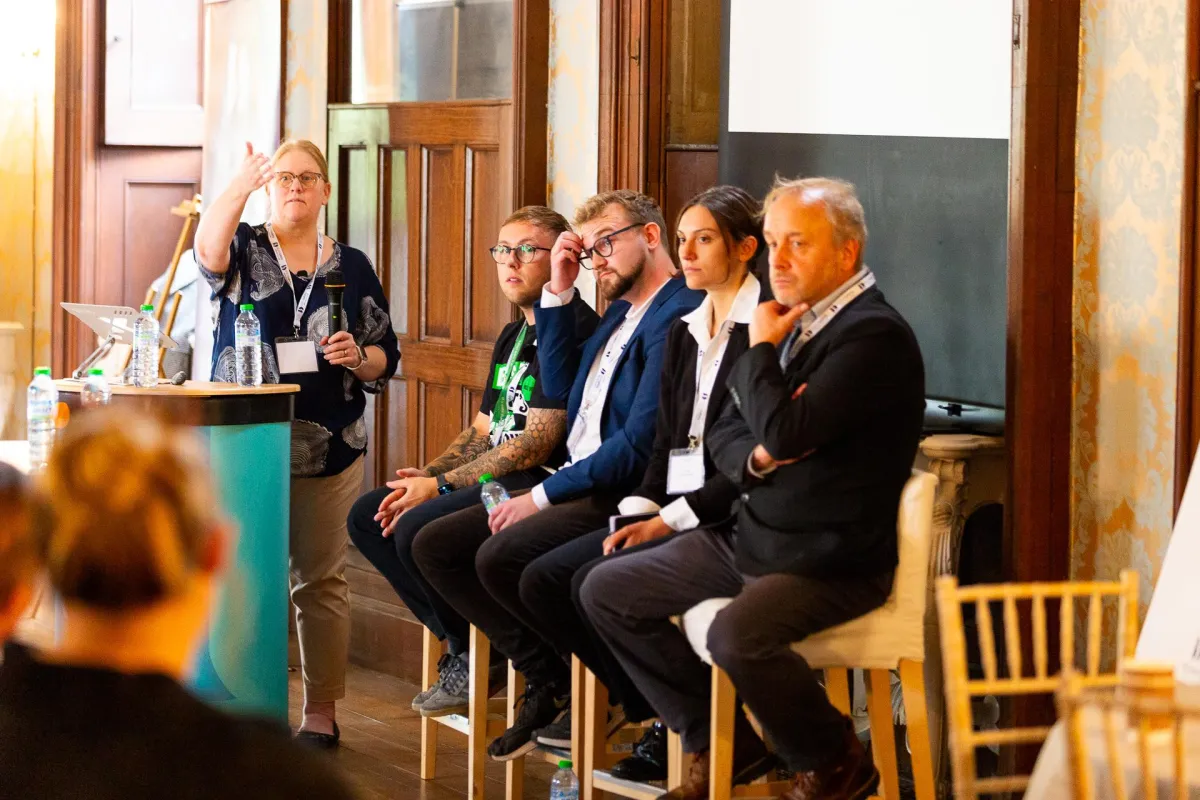
Delivering practical workshops, interactive webinars and tailored team development sessions.
Lucy explores how embracing neurodiversity drives creativity, collaboration and wellbeing at work.
-Understanding the strengths and challenges of neurodivergent colleagues
-Practical adjustments and inclusive communication strategies for teams
-Building a culture where neurodivergent talent can thrive and contribute fully

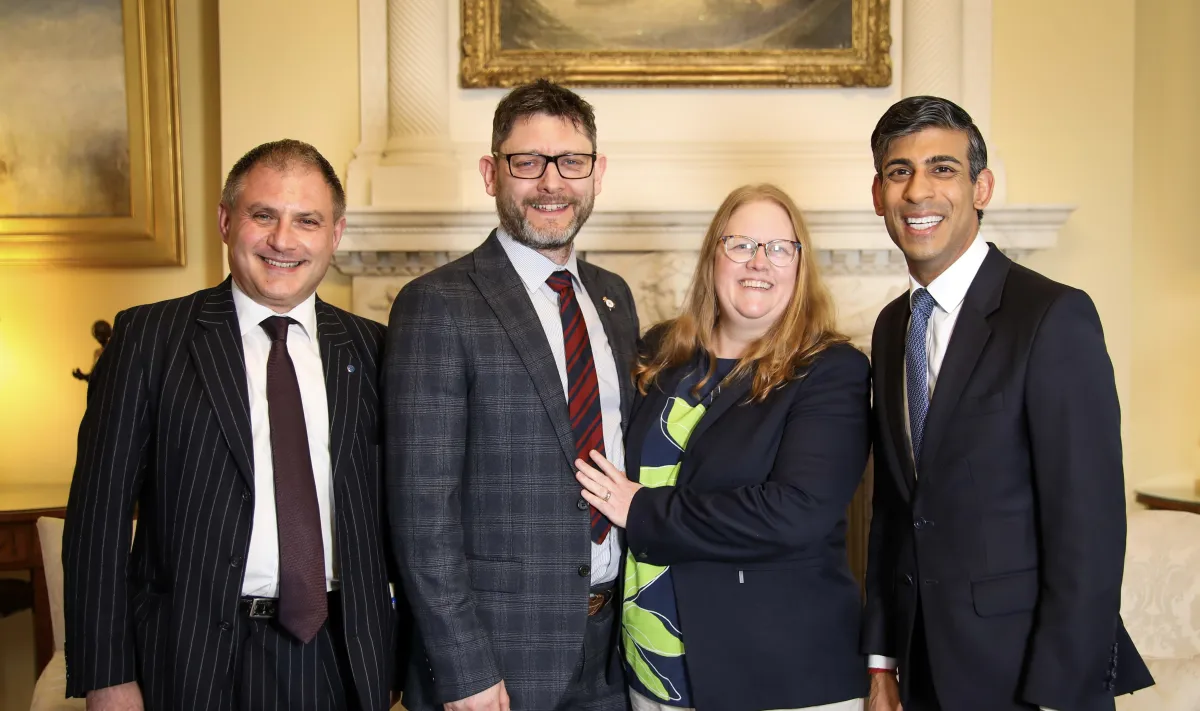
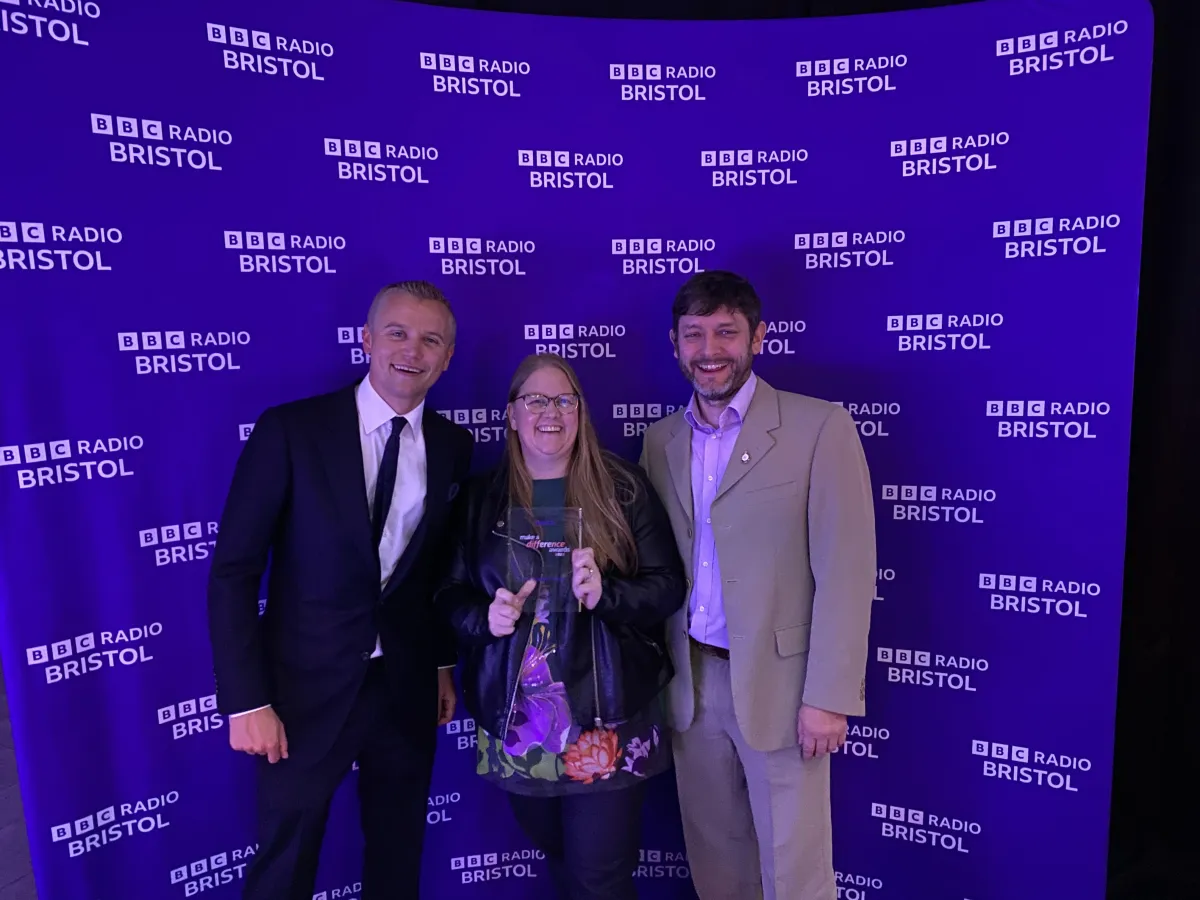


What do other people say?
Don't take it from me, here is what others say about working with me.
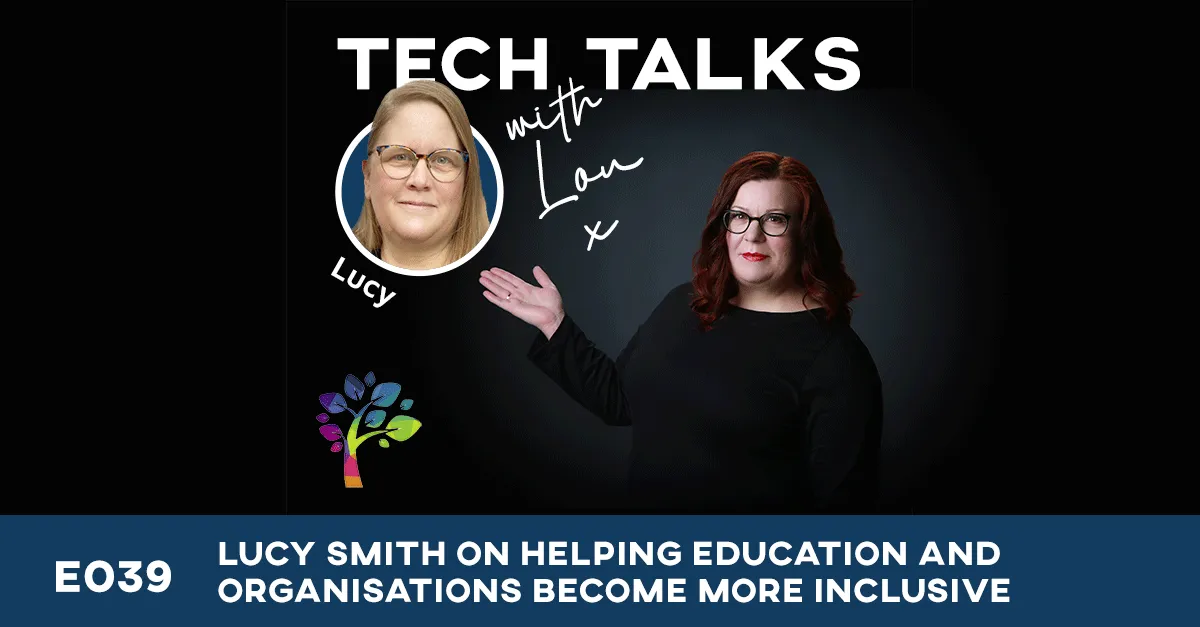
Listen online
Podcasts, interviews and YouTube
Read more
The blog
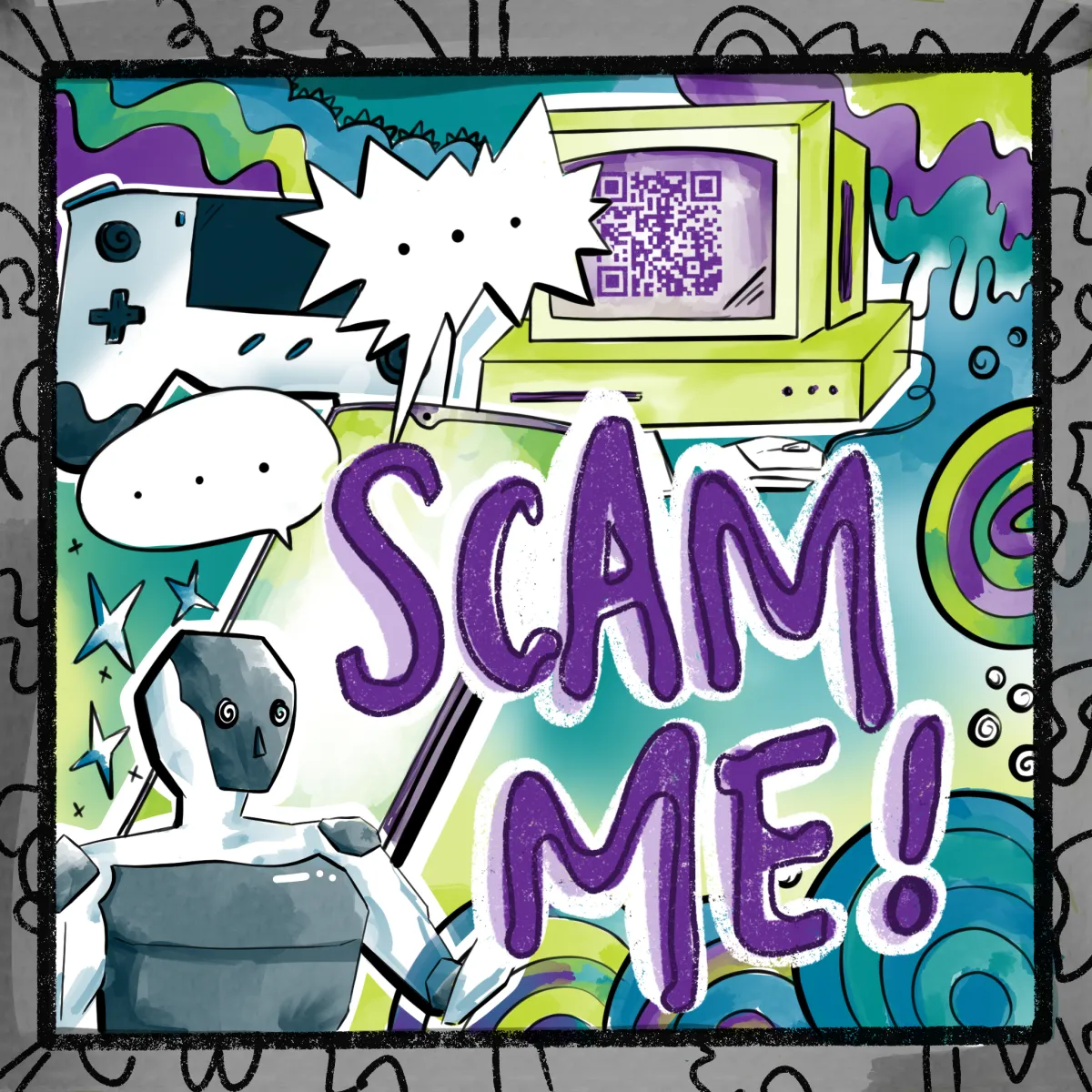
Do It for the Nans: Cybersecurity and Neurodiversity, with Jemma Davis
"Let's do it for the nans."
That’s not just a catchy slogan. It’s a mission. It’s about protecting the people we love from online scams and cyber threats that target the most vulnerable. For Scam Me, we sat down with Jemma, the founder of Culture Gem - our series sponsor and a true cyber storyteller - to talk about how cybersecurity and neurodiversity collide.
This blog unpacks the epic conversation: from teaching life skills to hacking ethics, from WannaCry to nanfluencers, from OSINT to DMARC. Buckle up - this one’s a ride.
What is Culture Gem?
Culture Gem is a unique, inclusive training platform that reimagines mandatory workplace training. It was designed by neurodivergent creators for everyone, especially those who struggle with rigid, one-size-fits-all learning. Instead of boring videos and long-winded text dumps, Culture Gem offers:
Podcasts and video games
News briefings
Colour customisation (11 choices!)
Multiple voice options
A chance to learn how your brain learns best
As Jemma puts it: “We built something that let you tailor the world around you, not just adjust yourself to fit into it.”
Cybersecurity and the WannaCry Wake-Up Call
Jemma never set out to be a cybersecurity expert. She began in teaching, then moved into direct marketing, yes, the kind of marketing where you show someone shoes and they buy the shoes.
Then came a defining moment in 2017: the WannaCry ransomware attack.
While running an event for 200 cybersecurity professionals, Jemma watched the chaos unfold as WannaCry, a massive ransomware attack, crippled computers globally, including the NHS. She saw first-hand the panic, the urgency, and the real-world consequences of poor cybersecurity practices.
“That was the moment,” Jemma said. “I realised this wasn’t just someone else’s job. I had to do something.”
And she did. That moment catapulted her from marketing into the mission-driven world of cyber safety.
Why ‘Do It for the Nans?’
Jemma’s nan is her inspiration, and her reality check. She’s not tech-savvy. She uses a corded phone with Jemma’s face on it as a call button. But scammers still target her constantly.
From fake Amazon calls to social engineering tactics, Jemma’s nan has become a mini-cyber warrior. She calls Jemma with questions like, “Should I care about this?” and then passes the advice down to her friends at the hairdresser.
“She’s a real-life influencer - a nanfluencer,” Jemma laughs.
By protecting her nan, Jemma is protecting everyone’s nan, and everyone else in the family tree. It's a ripple effect: teach one, and they teach ten more.
So, What Is Social Engineering?
Social engineering is when someone manipulates you into giving up personal or valuable information. It could be:
A phone scam pretending to be from your bank
A pop-up survey asking your pet’s name, birth date, or first car
Someone knocking on your door offering to ‘fix’ a wall, only to take your money and run
Cybercriminals often use what’s called FUD: Fear, Uncertainty, and Doubt. They scare people into making hasty decisions instead of teaching them how to respond.
According to Jemma, cybersecurity should be about reducing fear and increasing confidence. We don’t need to terrify people, we need to inform them.
What’s OSINT and Why Does It Matter?
Cam from the Inclusive Change team accidentally flexed some cyber muscles when he admitted to ‘stalking’ Jemma online for research. That’s when Jemma introduced a cyber term: OSINT, or Open Source Intelligence.
OSINT is when you gather information from publicly available sources, like someone’s LinkedIn, Instagram, or Facebook, to learn more about them.
“It’s not stalking. It’s research,” Jemma clarified with a grin.
DMARC, Email Spoofing, and the Spam Trap
Have you ever sent a legit marketing email only to find it landed in someone’s spam folder? That’s where DMARC comes in.
DMARC (Domain-based Message Authentication, Reporting & Conformance) is a way to verify that an email really comes from you and not a scammer pretending to be you. Without DMARC set up, email systems get confused and mark even safe emails as suspicious.
Jemma breaks it down like this:
“When you send a marketing email through Mailchimp or HubSpot, your email system thinks someone is impersonating you. DMARC proves it's really you sending that email.”
It sounds technical, and it is, but tools like ChatGPT can help small businesses configure DMARC, SPF, and DKIM settings step-by-step. You don’t need to be a tech wizard. You just need to ask the right questions.
Security Is a Culture, Not a Checklist
Firewalls and code only go so far. Most cyberattacks - a whopping 96% - start with human behaviour.
Someone clicks a dodgy link. Someone holds the door open for a stranger. Someone uses ‘password123’.
This is why Jemma says security is a culture, not just a checklist of tasks. You need to build a mindset, not just install software.
And that culture includes understanding insider threats, not just the malicious ones, but the ‘survivalists’ who sell data out of desperation to pay a bill. If we only look for bad people, we miss the vulnerable ones.
Why Neurodivergent Minds Shine in Cybersecurity
Here’s where it gets exciting. Cybersecurity needs neurodivergent thinkers.
Jemma explains that many cyber professionals, and even hackers, are neurodivergent.
Traits like:
Hyperfocus
Pattern recognition
Intense curiosity
Creative problem solving
These are superpowers in this field.
She shared stories of people who ‘see’ music and become world-class DJs, or who find vulnerabilities because they approach problems sideways. In a world where cyberattacks are constantly evolving, these minds are critical.
How to Get Started in Cyber (Without Being Techie)
So you don’t have a tech background? Great. Neither did Jemma.
Here’s how anyone, especially young people or neurodivergent folks, can start a cyber career:
1. Follow Your Passion
Jemma didn’t start with tech. She started with care. She wanted to protect her nan. Find your ‘why’ - that’s your fuel.
2. Learn the Basics
Platforms like Udemy offer beginner-friendly cyber courses for as little as £14. You don’t need to know everything, just enough to know what excites you.
3. Network, Your Way
LinkedIn is powerful, but there are other spaces too:
Instagram cyber influencers
Discord servers
Cyber book clubs
Local and online meetups
And if someone sends you a job listing, that’s a sign. Apply.
4. Ask for Help
Cyber people love sharing what they know. Reach out. Ask questions. Ask for mentoring. “We know we need you”, Jemma says.
Final Words of Wisdom
We wrapped the conversation feeling inspired, informed, and more than a little in love with Jemma’s mission.
Cybersecurity isn't just about tech. It's about people. It’s about how we protect the ones we love, from our families to our customers to our colleagues. And it turns out the best way to do that?
Do it for the nans.
Want to learn more?
Listen to Scam Me’ here on YouTube: Learning Inclusive Change
Visit Culture Gem here: Culture Gem
Follow Inclusive Change on LinkedIn: Inclusive Change Ltd - and Facebook: Inclusive Change
And remember, cybersecurity starts with you!

Some of the Companies Inclusive Change Have Worked With


Inclusive Change Ltd
The Brightwell, Bradbury House
Wheatfield Drive
Bradley Stoke, Bristol
BS329DB
Reg no: 12412464
Copyright 2023 - Inclusive Change Ltd
VAT NO: 352 1564 17
ICO Reg: ZB081779
UK Register of Learning Providers: 10090652
Column Header
Lorem ipsum dolor sit amet consecetuer lorem ipsum
Organically grow the holistic world view of disruptive innovation
At the end of the day, going forward, a new normal that has evolved
Column Header
Lorem ipsum dolor sit amet consecetuer lorem ipsum
Organically grow the holistic world view of disruptive innovation
At the end of the day, going forward, a new normal that has evolved
Column Header
Lorem ipsum dolor sit amet consecetuer lorem ipsum
Organically grow the holistic world view of disruptive innovation
At the end of the day, going forward, a new normal that has evolved