




Lucy Smith
Neurodiversity & Inclusive Change Speaker, Facilitator, Compare
Lucy Smith, a keynote speaker on neurodiversity, resilience & inclusive change, helps organisations build inclusive, adaptive cultures that thrive on difference. Inspiring audiences & making a difference
Neurodiversity | Managing Change | Resilience
Life Stories | Social Enterprise
Authentic storytelling that makes a difference
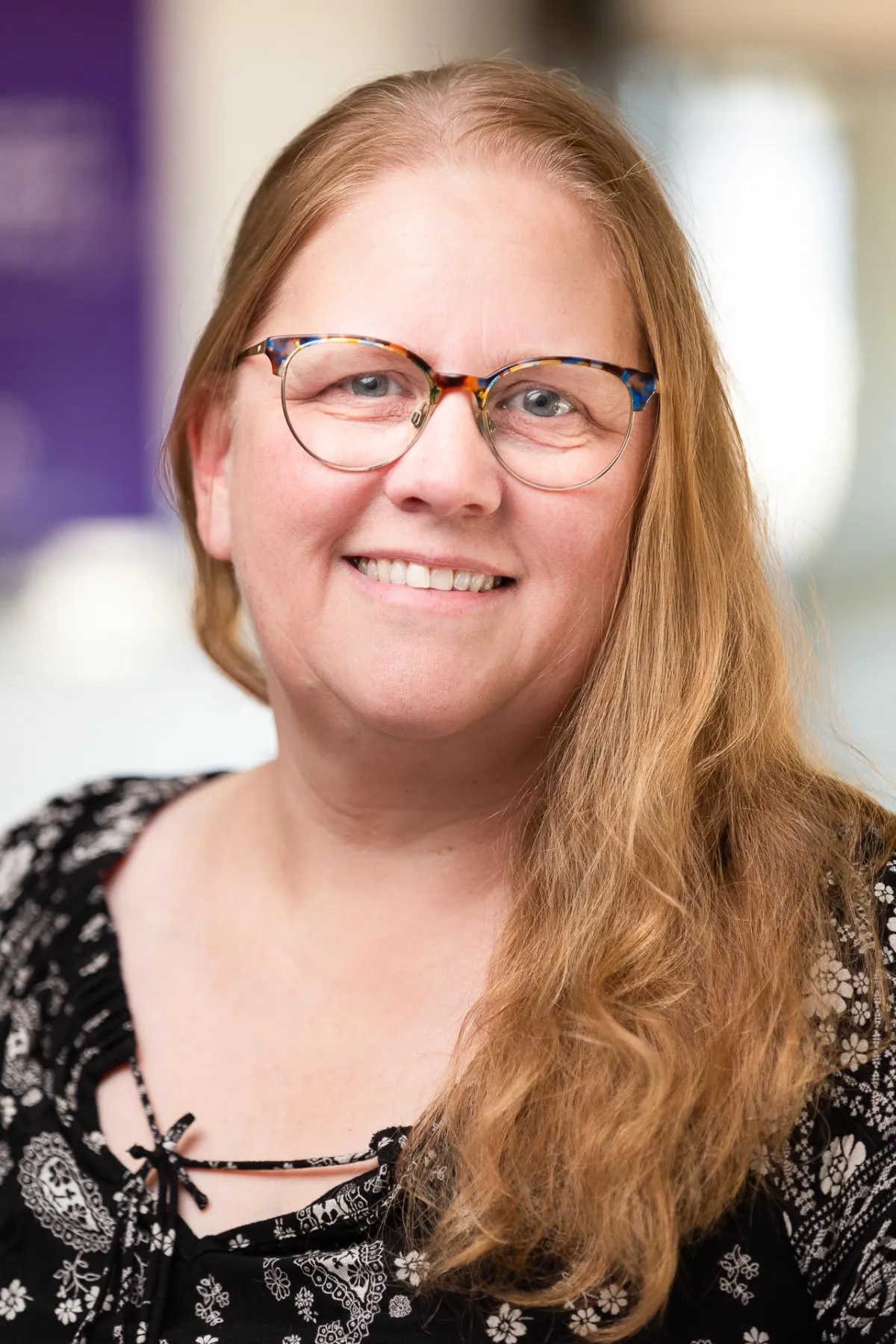
Hi, I am Lucy!
Some people call me the "pocket rocket". I think that is because I have passion and energy to bring out the best in an audience.
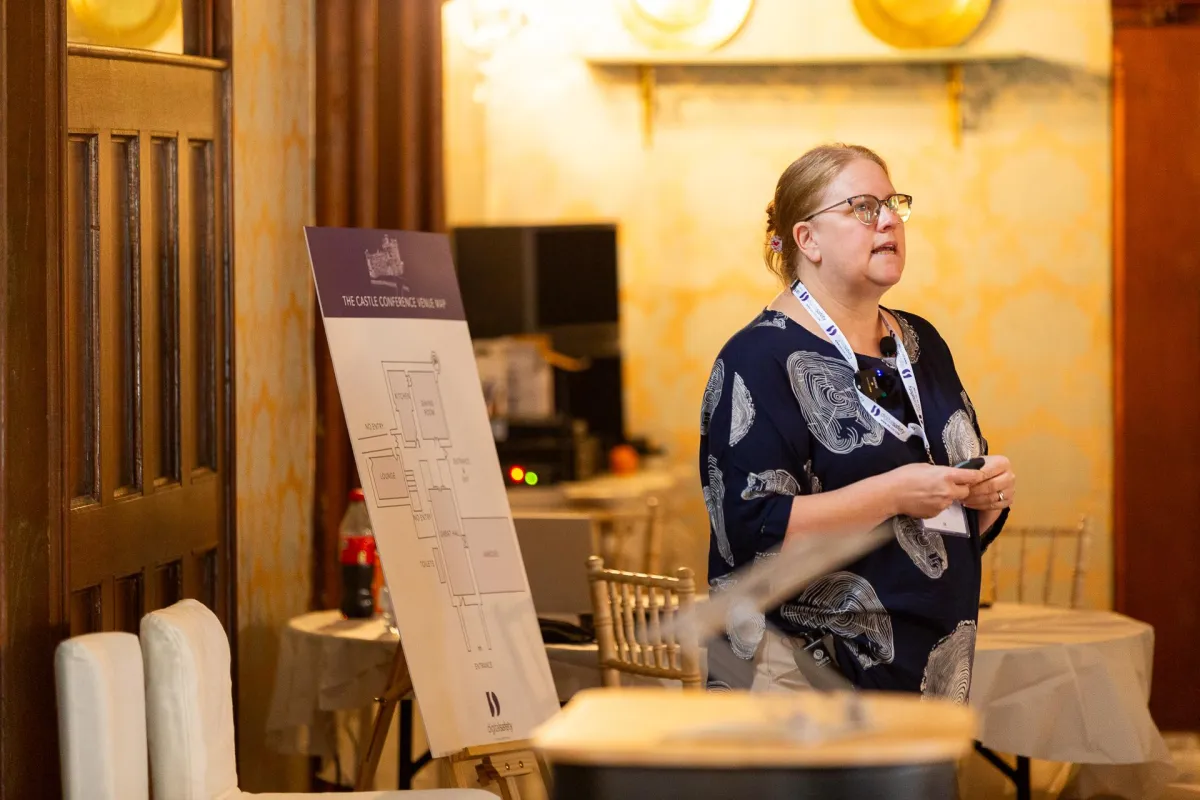
I have been working with audiences for almost 25 years in many guises - Lecturer, radio presenter, drama teacher, children's entertainer (I have been a professional fairy) facilitator, compare and speaker.
As a speaker I believe there has to be some substance behind us and I sure have that too. Not being able to settle and always saying "YES" to opportunities has led to a whole lot of experience that informs my work and my presentations.
At my core I am a purpose led social entrepreneur who loves to start a conversation about topics that matter.
I start those conversations with stories some that will surprise and some that will inspire. I talk about some difficult stuff and combine my unique expertise and knowledge.
Relatable, authentic and thought provoking
Lucy x
Neurodiversity
What is your perspective?
I come from a range of different perspectives when I talk about neurodiversity. From pedagogy, organisation development and leadership, research, personal and family and real lived experience. With a a strengths based approach I talk positively and with passion about change and neurodiversity in work, school and community.
I engage audiences to get them thinking and start conversations that will make and does make a lasting difference.
Change Management
Let me meet you at your
bus-stop
In the world of change management, it's not about imposing a new route; it's about understanding where you're starting from.
I have spent a decade working with senior leaders in transformational change where I have learned that change is often an individual journey and we will all join that journey from a different bus-stop.
I combine theory with reality and always have an eye on the future.
Life Stories
The secret change agent
A wealth of stories based on real lived experience with plenty of lessons for the future. Spilling some my secrets on here would be giving away some of my best work which you will want to hear straight from the source.
Oh, okay, let's just say I can talk about resilience, royalty, and some really fun stuff from a career in international law enforcement.
Social Enterprise
Making a difference - the torch that lights the stars
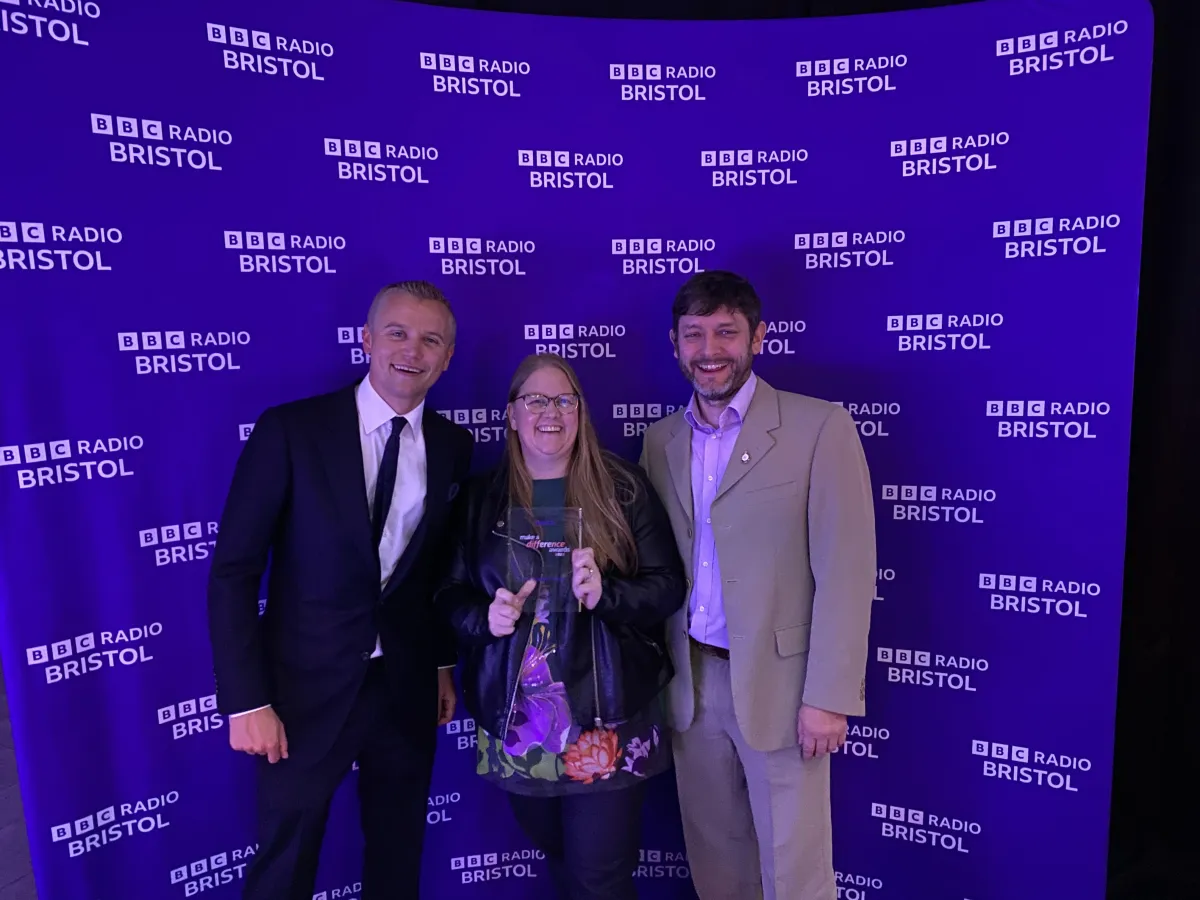
Lighting people up to make sustainable change happen is a big part of what I do. From setting up a community radio station to developing an innovative and groundbreaking conference around digital wellbeing and young people.
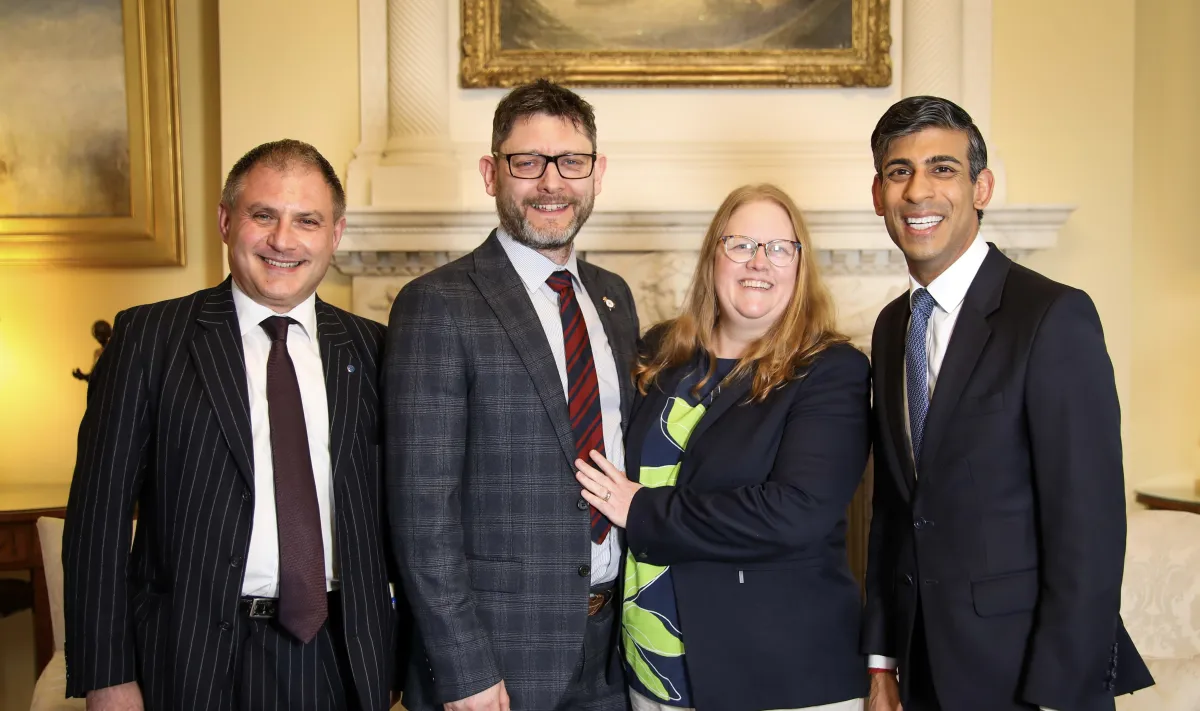
I talk the talk and walk the walk when it comes to social enterprise, from grass roots to engagement at the highest levels right up to Downing Street.
Neurodiversity in the workplace
Delivering practical workshops, interactive webinars and tailored team development sessions.
Lucy explores how embracing neurodiversity drives creativity, collaboration and wellbeing at work.
-Understanding the strengths and challenges of neurodivergent colleagues
-Practical adjustments and inclusive communication strategies for teams
-Building a culture where neurodivergent talent can thrive and contribute fully
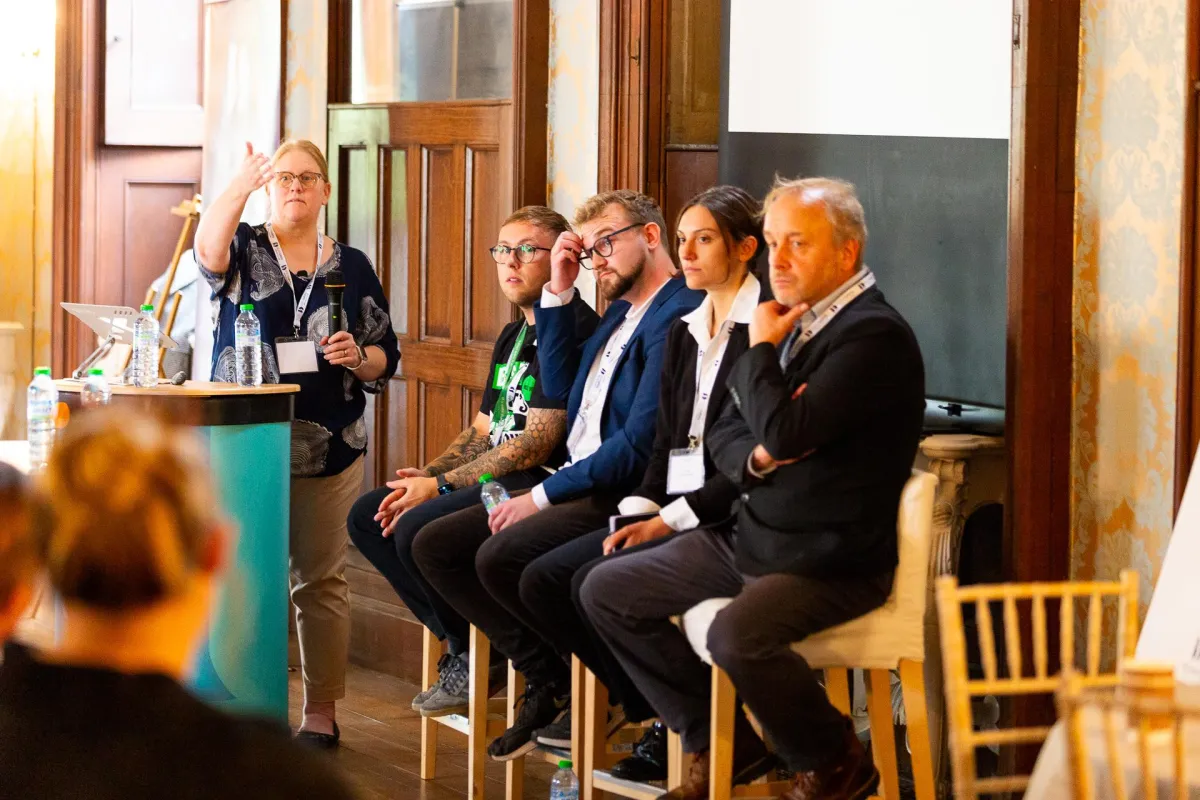



What do other people say?
Don't take it from me, here is what others say about working with me.
Listen online
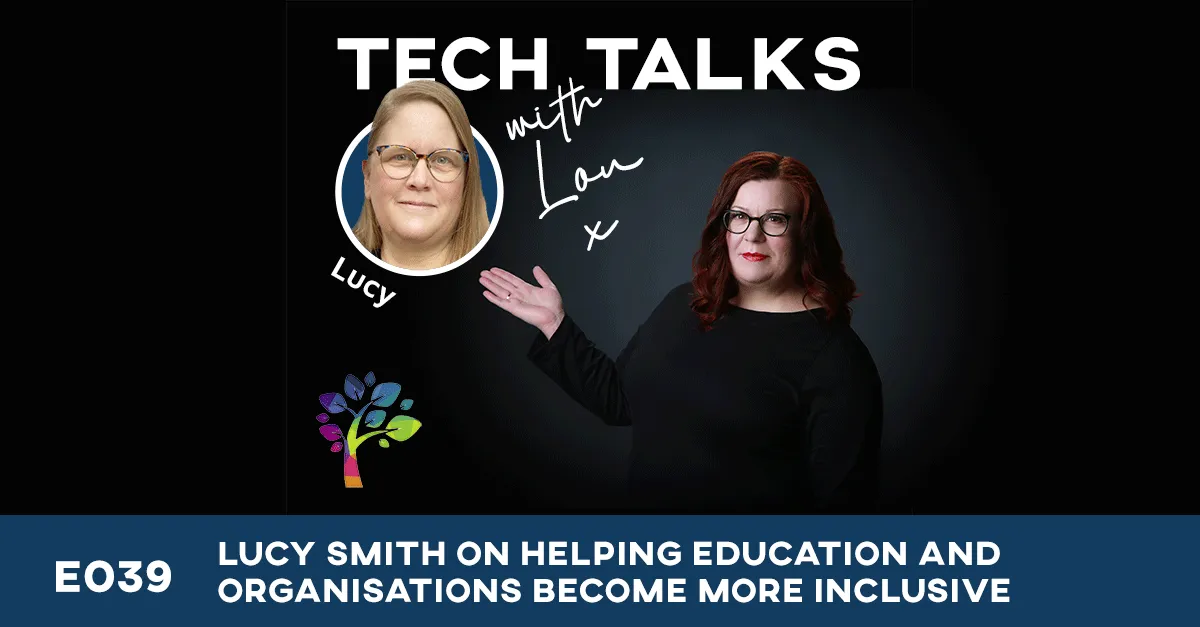
Podcasts, interviews and YouTube

Read more
The blog
Is flexibility enough to support parents of neurodivergent children at work? - Copy
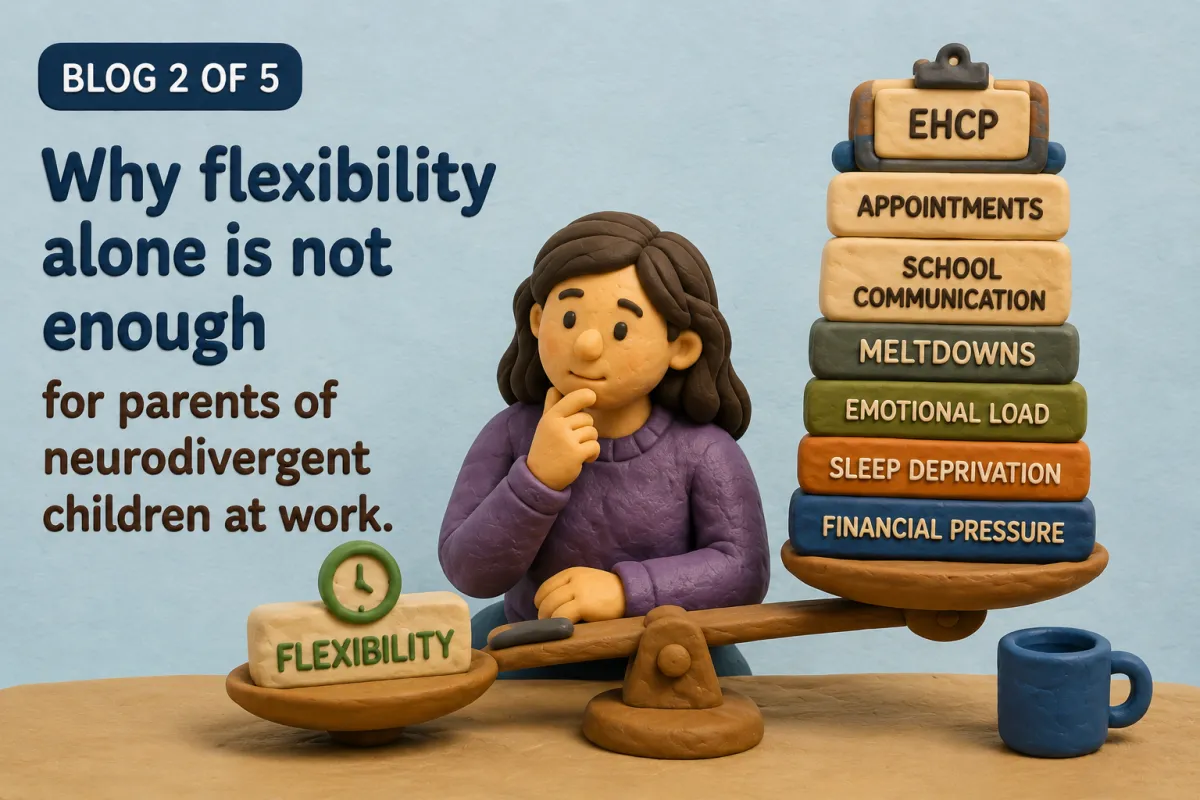
Why flexibility alone is not enough for parents of neurodivergent children at work
After our Supporting Parents of Neurodivergent Children at Work Lunch and Learn, one theme came back repeatedly: many organisations believe they are already supportive because they offer flexibility.
Flexible hours. Remote working. Time off for appointments. And whilst those things absolutely matter, flexibility alone is not enough anymore. Because the reality for many working parents of neurodivergent children is not occasional disruption. It is sustained system pressure.
What sustained pressure actually looks like
For many of these parents, life is not operating in predictable cycles. It is uncertainty, constant adaptation, waiting lists, changing school situations, emotional exhaustion, and fragmented systems - often all at once.
The issue is not simply: 'Can I leave early for an appointment?' The issue is: 'Can I sustainably remain in work while navigating ongoing complexity?' That is a very different conversation. And it requires a very different organisational response.
Parents of neurodivergent children - children with autism, ADHD, dyspraxia, PDA, or combinations of these - are often managing systems that do not work smoothly. EHCP reviews that take months. School placements that break down. Support services with waiting lists measured in years, not weeks. Flexibility helps with individual moments. It does not resolve the underlying load.
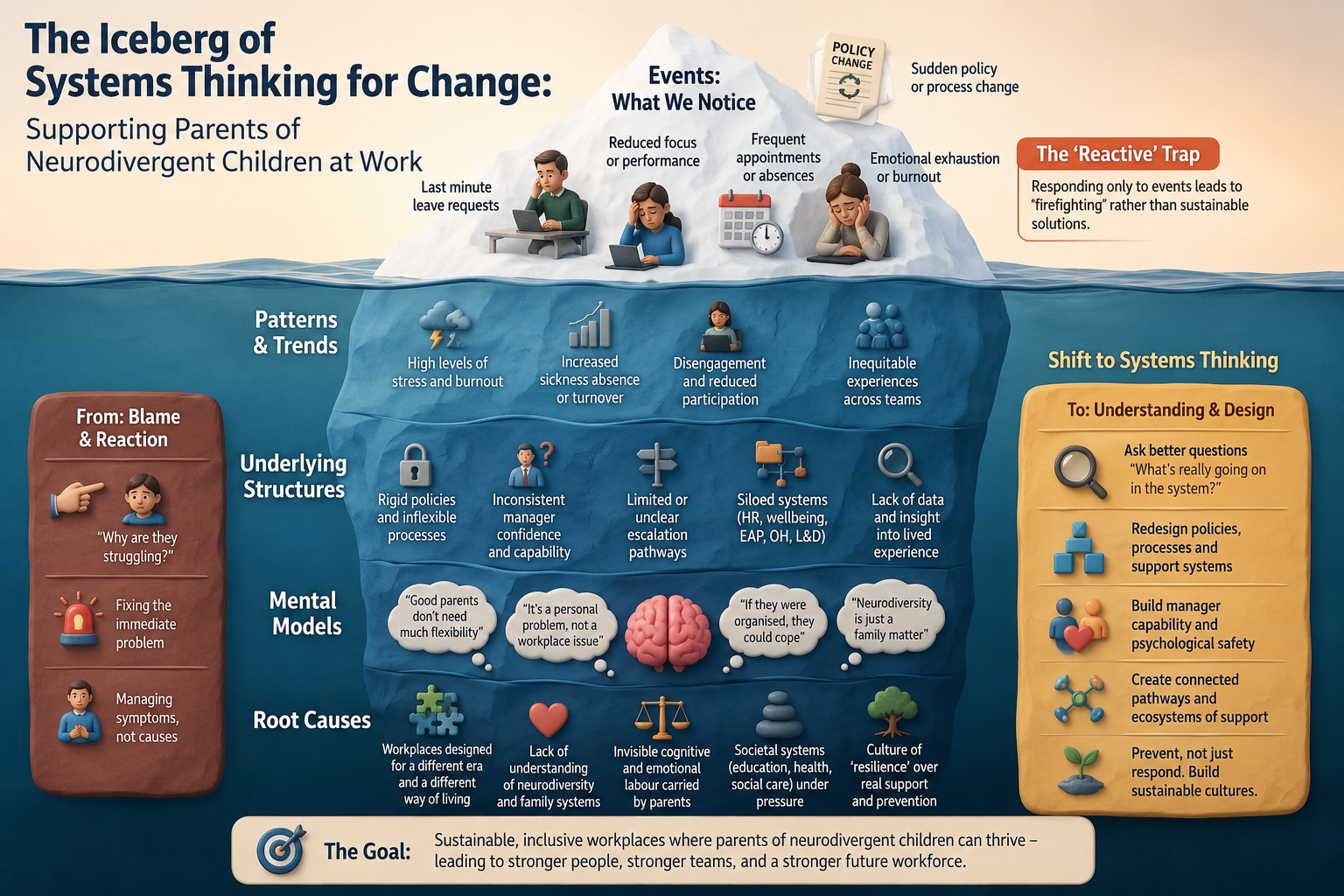
The iceberg underneath flexibility
Flexibility is an event-level response. It addresses the visible surface; the appointment, the difficult morning, the school call that arrives mid-meeting. But it does not touch the structural layers underneath.
The underlying structures that actually determine whether a parent carer can remain sustainably in work include: how workloads are designed, how managers are trained and supported, what psychological safety looks like in practice, and whether there are proactive pathways for people to disclose caring complexity without fear of it being used against them. Flexibility is one tool. Sustainable systems design is the whole toolbox.
Underlying structures
Organisations often mistake event-level responses (flexibility, time off) for structural solutions. The structures layer of the iceberg - policy design, workload, manager capability - is where sustainable support is built or broken.
The problem with reactive support
One of the persistent problems in workplaces is that support tends to appear after the fact. After sickness absence. After burnout. After a performance conversation. After someone is already overwhelmed and running on empty.
Good systems design works proactively. It asks: what conditions reduce unnecessary friction before people reach crisis point? And the answers are often less dramatic than organisations expect. Predictable communication. Clear priorities. Psychologically safe management. Written follow-ups after meetings. Reduced meeting overload. Flexibility with structure, not flexibility in place of it. Supportive escalation pathways. Manager confidence training. Peer support networks. These things sound small. Collectively, they reduce cognitive load enormously for people who are already carrying a great deal before the working day begins.
Managers are carrying pressure too
It is important to name this directly: many managers genuinely want to help but feel underprepared, frightened of getting it wrong, emotionally overwhelmed, or unsure where the boundaries sit. They are often carrying their own caring responsibilities outside of work. They are not always in a position to carry their team's complexity as well, not because they do not care, but because nobody has given them the frameworks or confidence to do so.
We cannot expect managers to solve systemic issues through goodwill alone. That is why organisations need proper frameworks and clear pathways rather than relying on individual personalities. Support should not be a postcode lottery depending on who you happen to report to.
Sustainable systems matter more than perks
Flexibility matters. But sustainable systems matter more. The shift from reactive accommodation to proactive system design is not a large leap in theory. In practice it requires leadership investment, honest conversations, and the willingness to ask better questions: what are we actually asking people to carry, and is our workplace designed to support that — or simply to manage the fallout when it becomes visible?
Organisations that understand this distinction are the ones that retain experienced, talented people that other workplaces quietly lose to burnout, resignation, or long-term sickness absence.
P.S.
If your organisation is ready to move from flexibility to genuinely sustainable support, we can help. Inclusive Change works with employers to design proactive, neurodiversity-informed workplace systems, and offers training and mentoring for managers and HR professionals navigating these conversations. Reach out at [email protected] to start the conversation.
Some of the Companies Inclusive Change Have Worked With


Inclusive Change Ltd
The Brightwell, Bradbury House
Wheatfield Drive
Bradley Stoke, Bristol
BS329DB
Reg no: 12412464
Copyright 2023 - Inclusive Change Ltd
VAT NO: 352 1564 17
ICO Reg: ZB081779
UK Register of Learning Providers: 10090652
Column Header
Lorem ipsum dolor sit amet consecetuer lorem ipsum
Organically grow the holistic world view of disruptive innovation
At the end of the day, going forward, a new normal that has evolved
Column Header
Lorem ipsum dolor sit amet consecetuer lorem ipsum
Organically grow the holistic world view of disruptive innovation
At the end of the day, going forward, a new normal that has evolved
Column Header
Lorem ipsum dolor sit amet consecetuer lorem ipsum
Organically grow the holistic world view of disruptive innovation
At the end of the day, going forward, a new normal that has evolved