





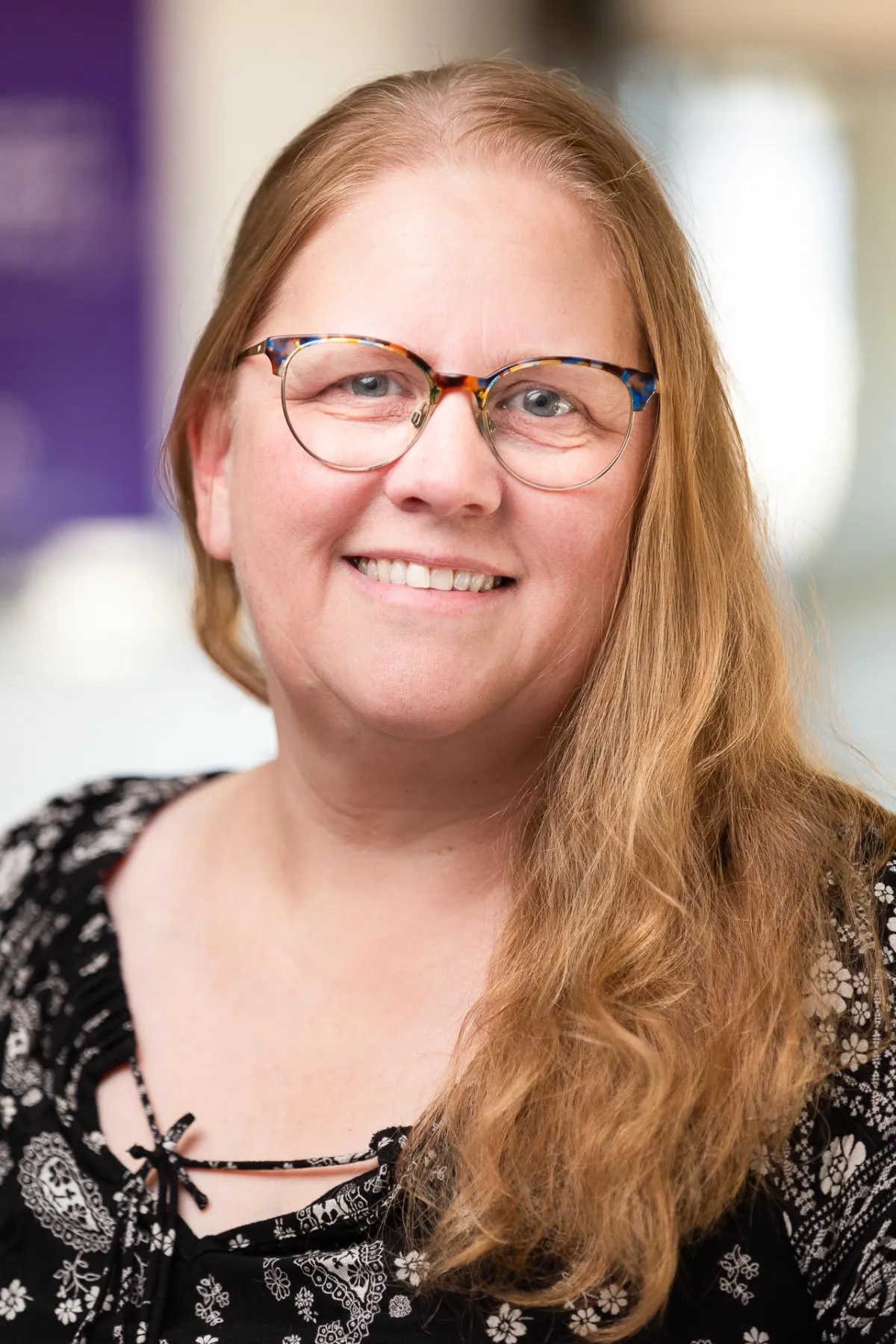
Lucy Smith
Neurodiversity & Inclusive Change Speaker, Facilitator, Compare
Lucy Smith, a keynote speaker on neurodiversity, resilience & inclusive change, helps organisations build inclusive, adaptive cultures that thrive on difference. Inspiring audiences & making a difference
Neurodiversity | Managing Change | Resilience
Life Stories | Social Enterprise
Authentic storytelling that makes a difference
Hi, I am Lucy!
Some people call me the "pocket rocket". I think that is because I have passion and energy to bring out the best in an audience.
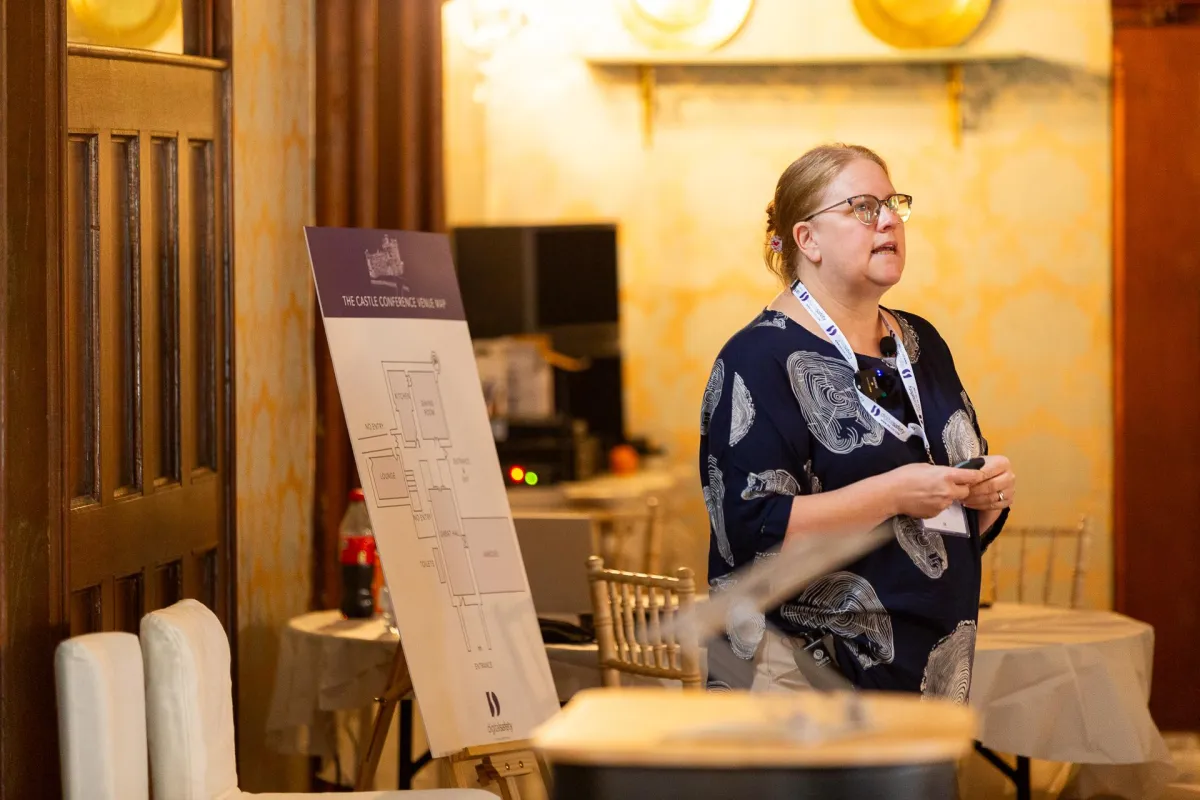
I have been working with audiences for almost 25 years in many guises - Lecturer, radio presenter, drama teacher, children's entertainer (I have been a professional fairy) facilitator, compare and speaker.
As a speaker I believe there has to be some substance behind us and I sure have that too. Not being able to settle and always saying "YES" to opportunities has led to a whole lot of experience that informs my work and my presentations.
At my core I am a purpose led social entrepreneur who loves to start a conversation about topics that matter.
I start those conversations with stories some that will surprise and some that will inspire. I talk about some difficult stuff and combine my unique expertise and knowledge.
Relatable, authentic and thought provoking
Lucy x
Neurodiversity
What is your perspective?
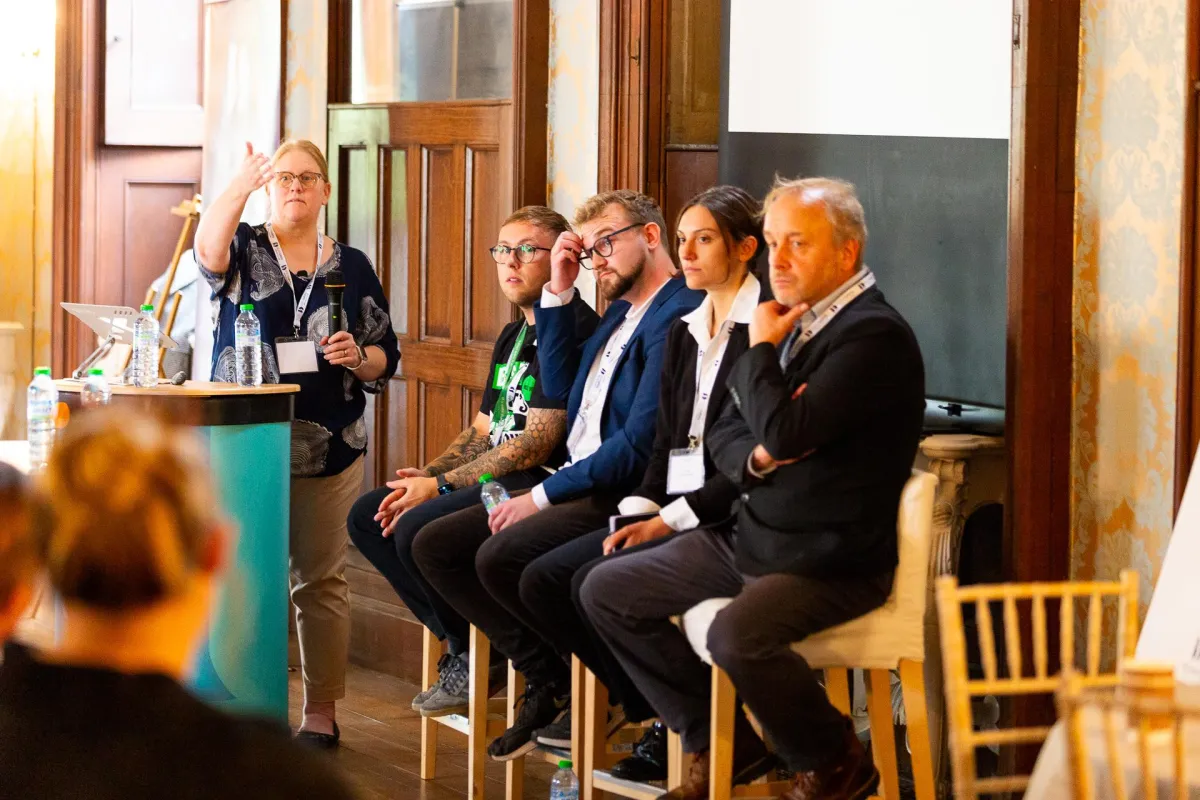
I come from a range of different perspectives when I talk about neurodiversity. From pedagogy, organisation development and leadership, research, personal and family and real lived experience. With a a strengths based approach I talk positively and with passion about change and neurodiversity in work, school and community.
I engage audiences to get them thinking and start conversations that will make and does make a lasting difference.
Change Management
Let me meet you at your
bus-stop
In the world of change management, it's not about imposing a new route; it's about understanding where you're starting from.
I have spent a decade working with senior leaders in transformational change where I have learned that change is often an individual journey and we will all join that journey from a different bus-stop.
I combine theory with reality and always have an eye on the future.
Life Stories
The secret change agent
A wealth of stories based on real lived experience with plenty of lessons for the future. Spilling some my secrets on here would be giving away some of my best work which you will want to hear straight from the source.
Oh, okay, let's just say I can talk about resilience, royalty, and some really fun stuff from a career in international law enforcement.
Social Enterprise
Making a difference - the torch that lights the stars
Lighting people up to make sustainable change happen is a big part of what I do. From setting up a community radio station to developing an innovative and groundbreaking conference around digital wellbeing and young people.
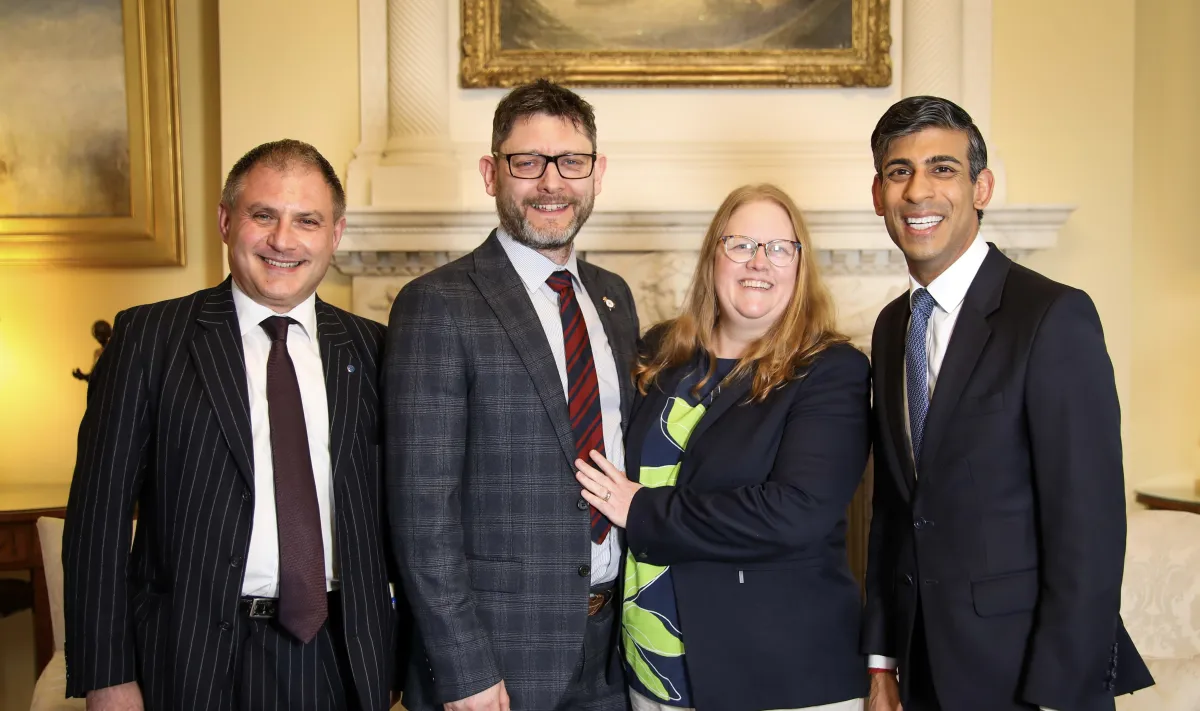
I talk the talk and walk the walk when it comes to social enterprise, from grass roots to engagement at the highest levels right up to Downing Street.
Neurodiversity in the workplace
Delivering practical workshops, interactive webinars and tailored team development sessions.
Lucy explores how embracing neurodiversity drives creativity, collaboration and wellbeing at work.
-Understanding the strengths and challenges of neurodivergent colleagues
-Practical adjustments and inclusive communication strategies for teams
-Building a culture where neurodivergent talent can thrive and contribute fully

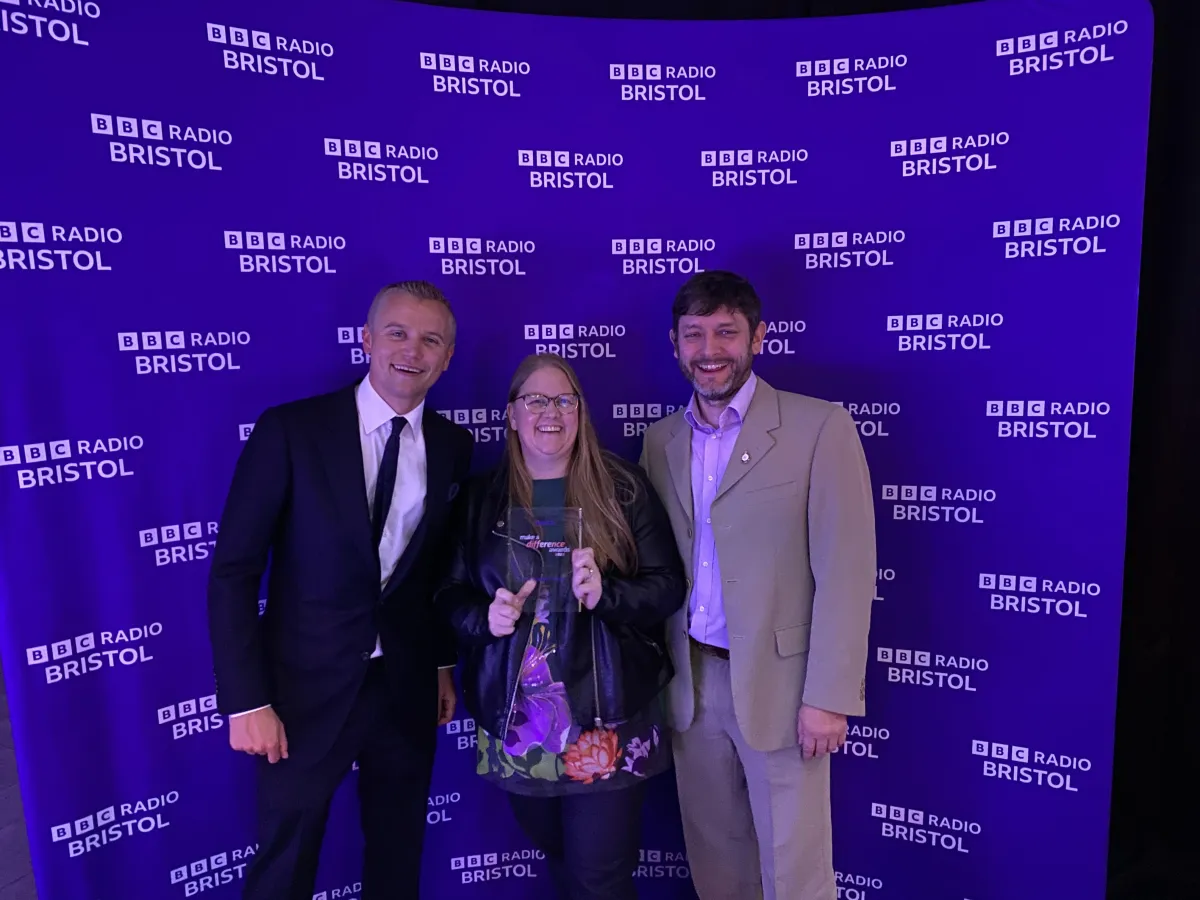


What do other people say?
Don't take it from me, here is what others say about working with me.
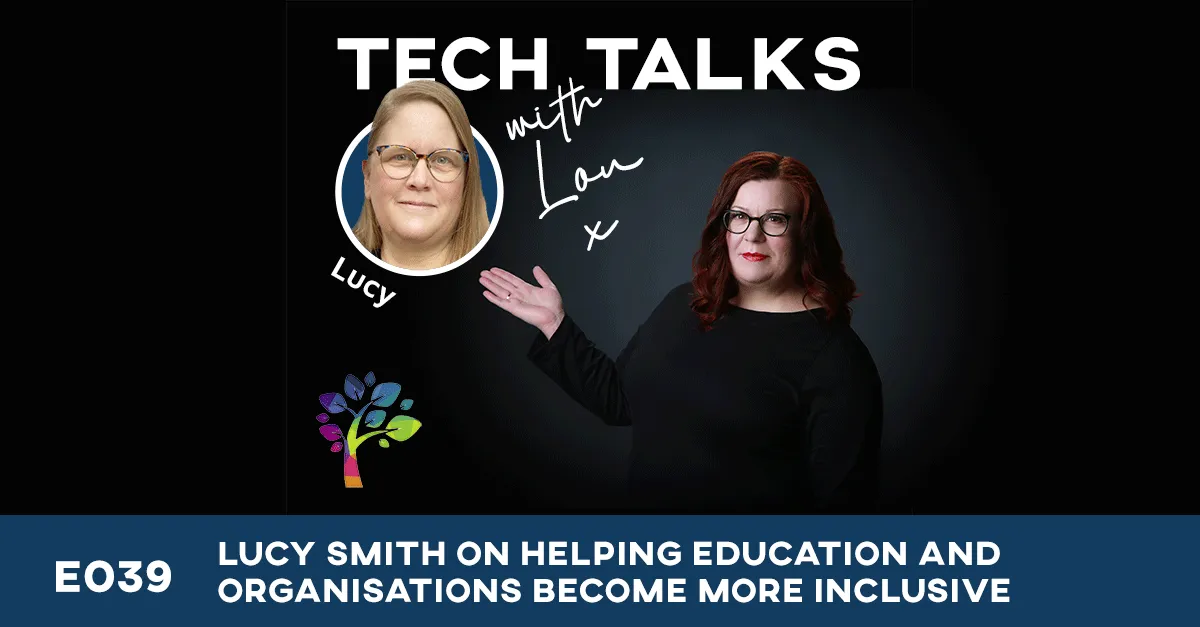
Listen online
Podcasts, interviews and YouTube
Read more
The blog
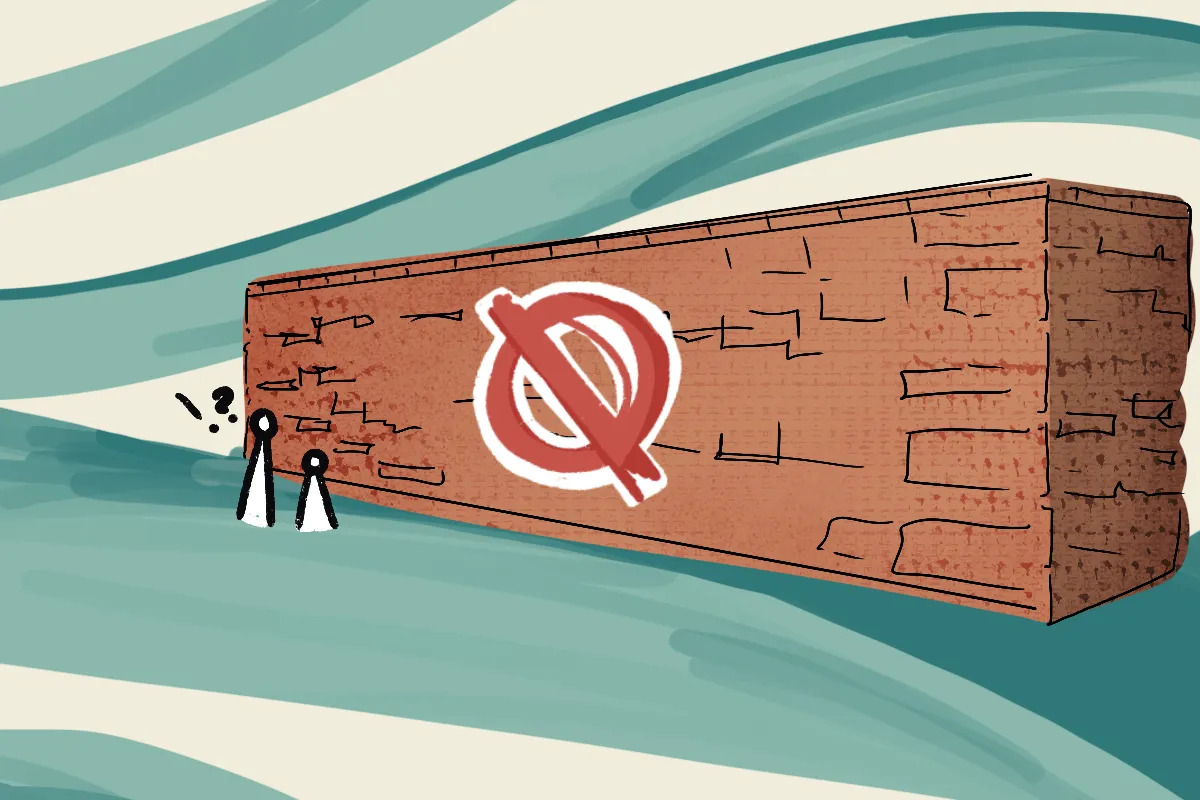
Don’t Write Us Off || Barriers I had to push past as a teenager in SEND
Since receiving my latest offer for University, (attempt no. 2!) I've been thinking about how often SEND practitioners or local councils write off individuals with barriers to education, and where I met those blocks in my own education.
Although I was lucky enough to receive immense support over the course of my time in SEND, my Mum and I still faced a few roadblocks, and without having her to fight my case, I wouldn’t be in the position I’m in now: with an unconditional offer to study my favourite subjects at a degree-level.
So, I thought it would be fun to share just a few of the things we were told I’d never accomplish over the course of my EHCP… assumptions that I’d later disprove.
(this post was written prior to the recent announcement to the latest SEND changes... but I thought I would share it nevertheless)
1. I was told I probably wouldn’t get a GCSE in English
Sometime around 2020, my teacher contacted my Mum, concerned that I’d fail my GCSE English Language and providing the option for me to take Functional Skills instead. At the time, she would have been right. I hated English.
I couldn’t wrap my head around the subjectivity of literary analysis, I struggled to tap into the reserves of my imagination for writing, and, despite being an avid reader when younger, I probably hadn’t touched a book for half a decade (Not counting here the copious amounts of manga I read as a tween).
Dark times, my friends.
Hearing this, I was frustrated, and, more importantly, disappointed.
Growing up, I had always been a high-achiever academically - even when I faced a mental health breakdown in 2017, I continued performing highly… at first. But, clearly, as time was spent simply trying to survive each day with a mind hell-bent on its own self-destruction, more of a toll was taken on my academic ability than I had realised.
However, my Mum knew that I had the potential to continue at GCSE level, so that’s what we did; and whilst I didn’t have any confidence in myself at the time, I was determined to work for a pass, at the very least.
Luckily, there was still another year and a half before exams. With help from my teacher, I began to challenge my own black-and-white approach to literature, practiced writing and finally picked up reading again (and subsequently fell in love with it).
My grades jumped from a 3, to a 4, to a 5, to consistent 6s by the time I was taking my mocks - and I even achieved a few 7s.
When the time came to officially sit my GCSEs, I was confident that I’d pass; but you can imagine my surprise when, on results day, I pulled out my results sheet to find that I’d achieved a 9 in English Language!
Somehow, by the end of my GCSEs, English had become my favourite and strongest subject, and I chose to continue it by taking English Literature at A-level, alongside History and Sociology.
But here is where I faced another small roadblock.
2. I was told I should only take two A-levels
When considering my post-sixteen options, I was warned by a well-meaning SENCo that I ought to stick to simply 2 A-levels. Despite achieving well in my GCSEs, the local council believed that another subject would provide too great of a workload.
The subject I was called to drop? History: A subject I wasn’t able to take at GCSE-level for similar reasons.
My heart was broken. History was a favourite of mine all throughout primary school, and I was already disappointed when I was advised against taking it at GCSE.
Slightly frustrated, my Mum and I responded, asking that I at least be given a chance before being so swiftly turned away.
As it turned out, history ended up being my favourite subject. Yes, there was a lot of work involved, but I loved it - and the greatest highlight throughout my A-Levels? My coursework in history. Having the freedom to choose and produce an essay on the topic of my choosing - spending hours researching and writing about a special interest - was my autistic dream!
So by the end of Year 13, despite initially being told I should expect otherwise, I received not 2, but 3 A-Levels - and I’d say I did pretty alright.
Ironically, I’m now going on to study the subjects I was set to drop, with an unconditional offer for a BA in English and History to begin this September!
Without the belief of those around me, and the insistence that local councils worked with me on an individual level… that simply wouldn’t be possible.
3. I was told I would never truly benefit from therapy unless I spoke
During my time in CAHMS, Cognitive Behavioural Therapy reigned supreme (and I believe it still does). Whilst CBT is proven to be an effective form of psychological therapy, it often hinges on the assumption that a patient will be able to talk and open up to the practitioner.
Unfortunately for me, an autistic child with selective mutism and a special talent for masking, that just wasn’t going to happen.
For years, I spent the majority of therapy sessions silently nodding, picking at the carpet and anxiously watching minutes pass. I relied on my parents to prompt and speak for me, which sometimes annoyed therapists. Most of the time, when words did leave my mouth, you would only hear a mumbled, ‘I don’t know.’
It took years and an awful amount of trial and error for SEN teams and my family to work together and figure out what therapy would actually be beneficial for my own personal needs. Speech and language therapy, occupational therapy, and (my personal favourite) equine therapy - something you can read about in another blog post here!
Initially, I still struggled with all of the above. I felt that the sessions were awkward and patronising. However, after a few months, things started to come together.
For once, it began to feel as though therapists were learning my needs and actually adapting their approach instead of expecting me to fit into their box. SaLT helped me to face anxiety and selective mutism; OT helped me to recognise sensory difficulties and provided strategies to keep them under control; and equine therapy offered a chance for me to practically meet difficult emotions without having to spend an hour, sat down, talking to a strange doctor in an even stranger sterile room.
An individual approach to SEND is essential.
It is important to note: all of the above comes from my experience as an incredibly high-masking child, who - despite the fact that I could not attend mainstream school - genuinely enjoyed academia. I am also immensely grateful to have been blessed with such a strong mother who knew how to fight the system and push for what she knew I needed regardless of pushback.
Not everyone will be in that position.
That’s why I feel it’s so important to share my own personal experience in the SEND system, to show that if you do it right; if you actually work with a child’s individual needs rather than trying to fit them into a pre-designed box, they can - and will - thrive.

Some of the Companies Inclusive Change Have Worked With


Inclusive Change Ltd
The Brightwell, Bradbury House
Wheatfield Drive
Bradley Stoke, Bristol
BS329DB
Reg no: 12412464
Copyright 2023 - Inclusive Change Ltd
VAT NO: 352 1564 17
ICO Reg: ZB081779
UK Register of Learning Providers: 10090652
Column Header
Lorem ipsum dolor sit amet consecetuer lorem ipsum
Organically grow the holistic world view of disruptive innovation
At the end of the day, going forward, a new normal that has evolved
Column Header
Lorem ipsum dolor sit amet consecetuer lorem ipsum
Organically grow the holistic world view of disruptive innovation
At the end of the day, going forward, a new normal that has evolved
Column Header
Lorem ipsum dolor sit amet consecetuer lorem ipsum
Organically grow the holistic world view of disruptive innovation
At the end of the day, going forward, a new normal that has evolved