





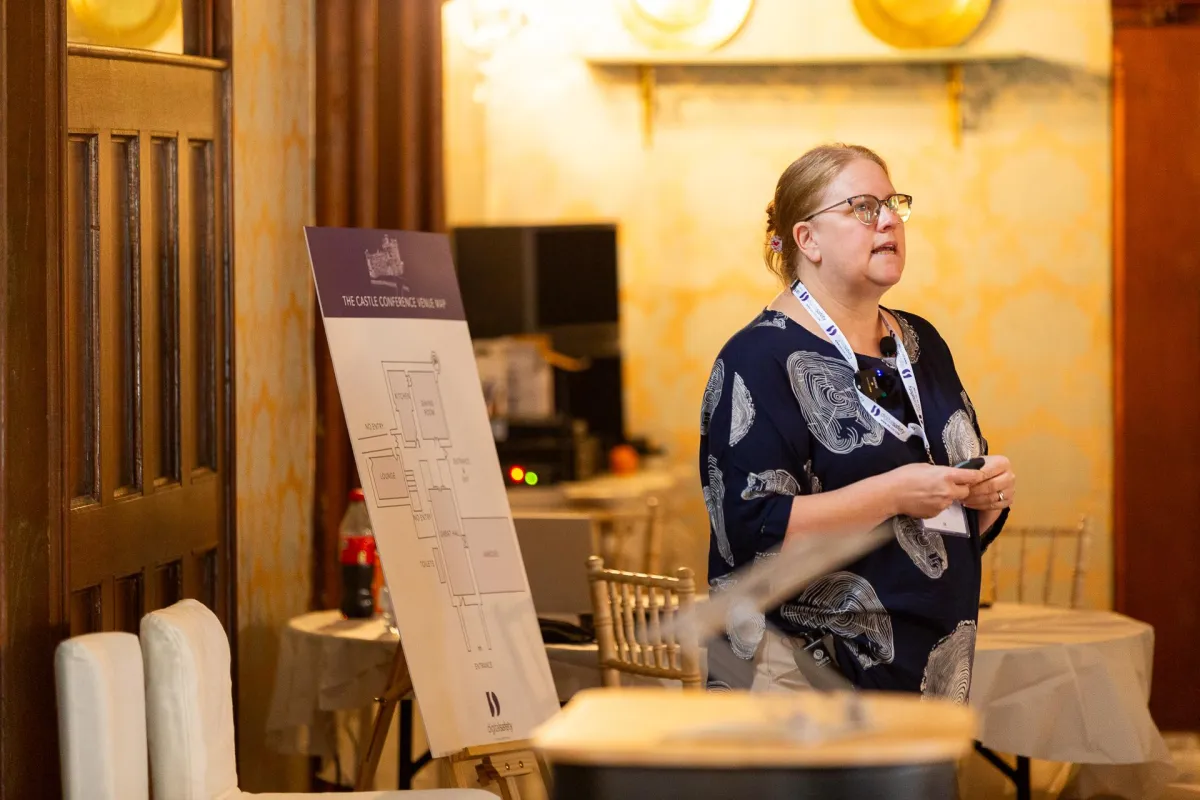
Lucy Smith
Neurodiversity & Inclusive Change Speaker, Facilitator, Compare
Lucy Smith, a keynote speaker on neurodiversity, resilience & inclusive change, helps organisations build inclusive, adaptive cultures that thrive on difference. Inspiring audiences & making a difference
Neurodiversity | Managing Change | Resilience
Life Stories | Social Enterprise
Authentic storytelling that makes a difference
Hi, I am Lucy!
Some people call me the "pocket rocket". I think that is because I have passion and energy to bring out the best in an audience.
I have been working with audiences for almost 25 years in many guises - Lecturer, radio presenter, drama teacher, children's entertainer (I have been a professional fairy) facilitator, compare and speaker.
As a speaker I believe there has to be some substance behind us and I sure have that too. Not being able to settle and always saying "YES" to opportunities has led to a whole lot of experience that informs my work and my presentations.
At my core I am a purpose led social entrepreneur who loves to start a conversation about topics that matter.
I start those conversations with stories some that will surprise and some that will inspire. I talk about some difficult stuff and combine my unique expertise and knowledge.
Relatable, authentic and thought provoking
Lucy x
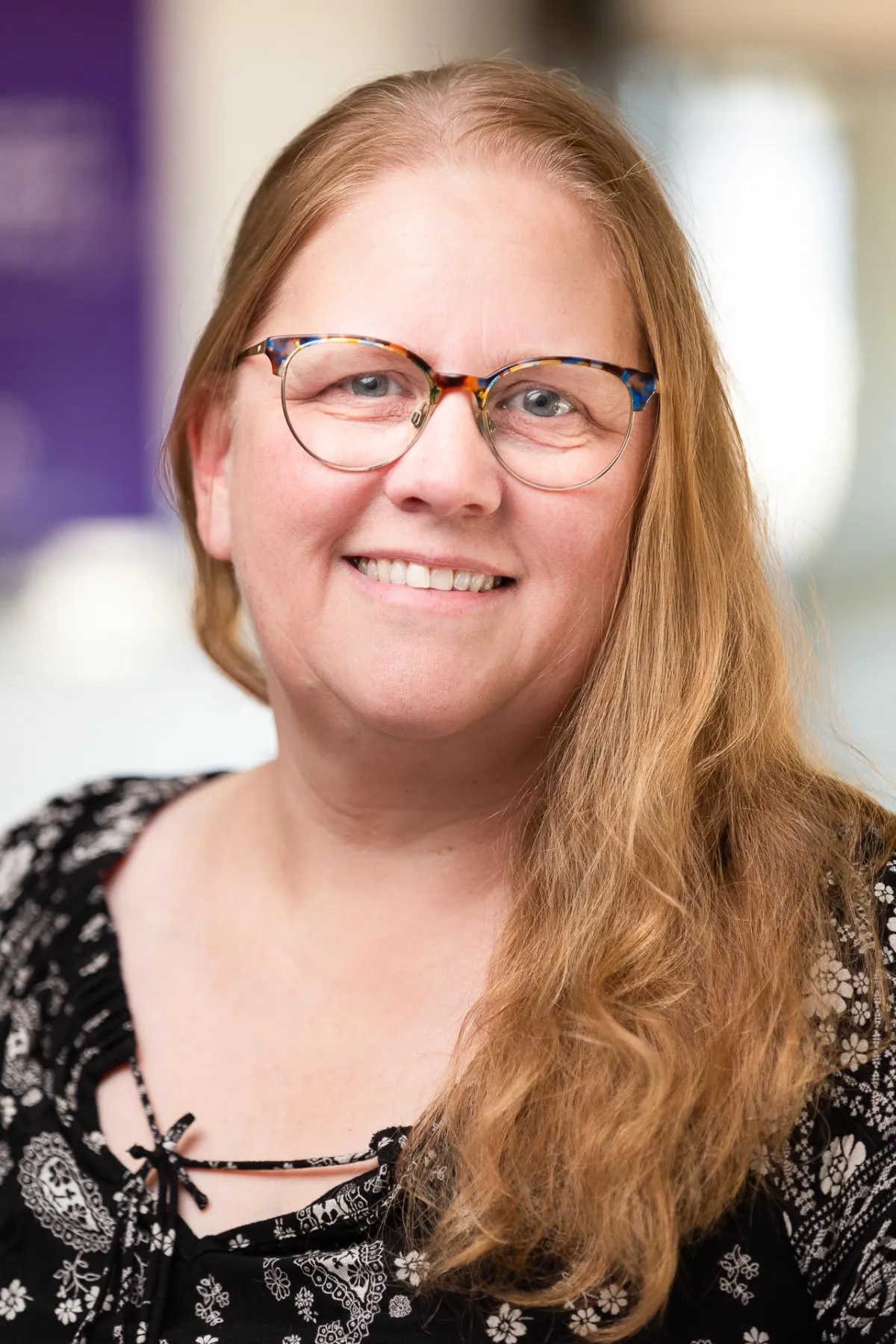
Neurodiversity
What is your perspective?
I come from a range of different perspectives when I talk about neurodiversity. From pedagogy, organisation development and leadership, research, personal and family and real lived experience. With a a strengths based approach I talk positively and with passion about change and neurodiversity in work, school and community.
I engage audiences to get them thinking and start conversations that will make and does make a lasting difference.
Change Management
Let me meet you at your
bus-stop
In the world of change management, it's not about imposing a new route; it's about understanding where you're starting from.
I have spent a decade working with senior leaders in transformational change where I have learned that change is often an individual journey and we will all join that journey from a different bus-stop.
I combine theory with reality and always have an eye on the future.
Life Stories
The secret change agent
A wealth of stories based on real lived experience with plenty of lessons for the future. Spilling some my secrets on here would be giving away some of my best work which you will want to hear straight from the source.
Oh, okay, let's just say I can talk about resilience, royalty, and some really fun stuff from a career in international law enforcement.
Social Enterprise
Making a difference - the torch that lights the stars
Lighting people up to make sustainable change happen is a big part of what I do. From setting up a community radio station to developing an innovative and groundbreaking conference around digital wellbeing and young people.
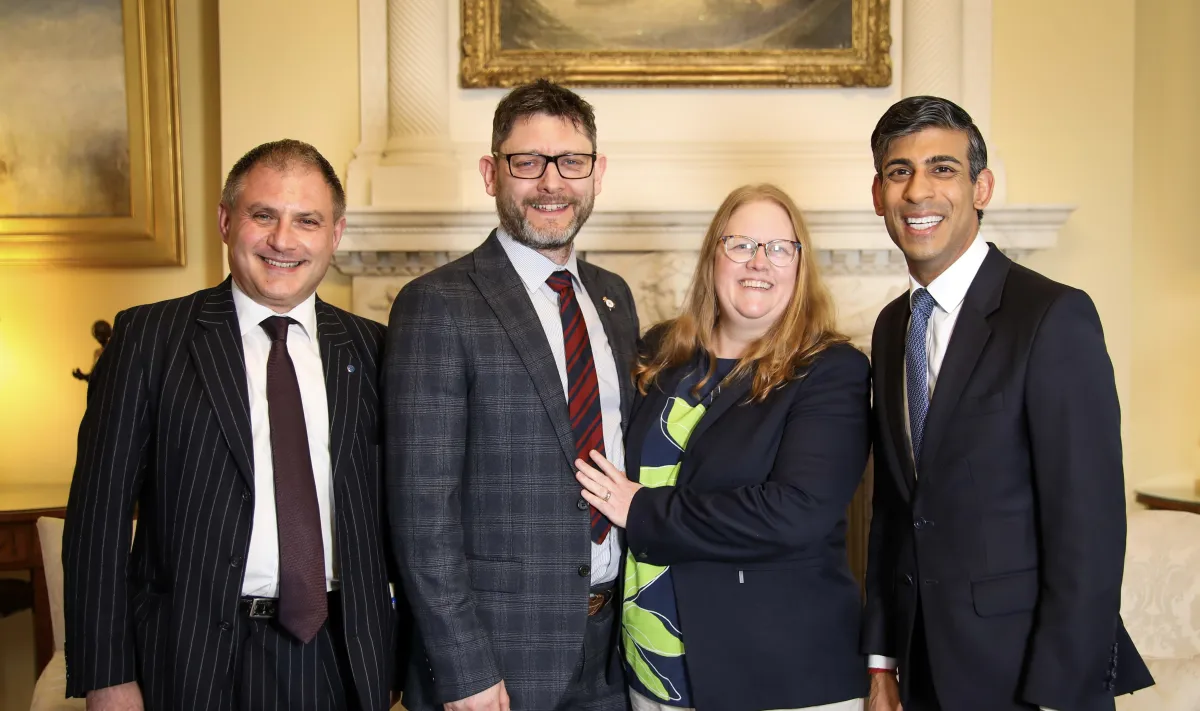
I talk the talk and walk the walk when it comes to social enterprise, from grass roots to engagement at the highest levels right up to Downing Street.
Neurodiversity in the workplace
Delivering practical workshops, interactive webinars and tailored team development sessions.
Lucy explores how embracing neurodiversity drives creativity, collaboration and wellbeing at work.
-Understanding the strengths and challenges of neurodivergent colleagues
-Practical adjustments and inclusive communication strategies for teams
-Building a culture where neurodivergent talent can thrive and contribute fully
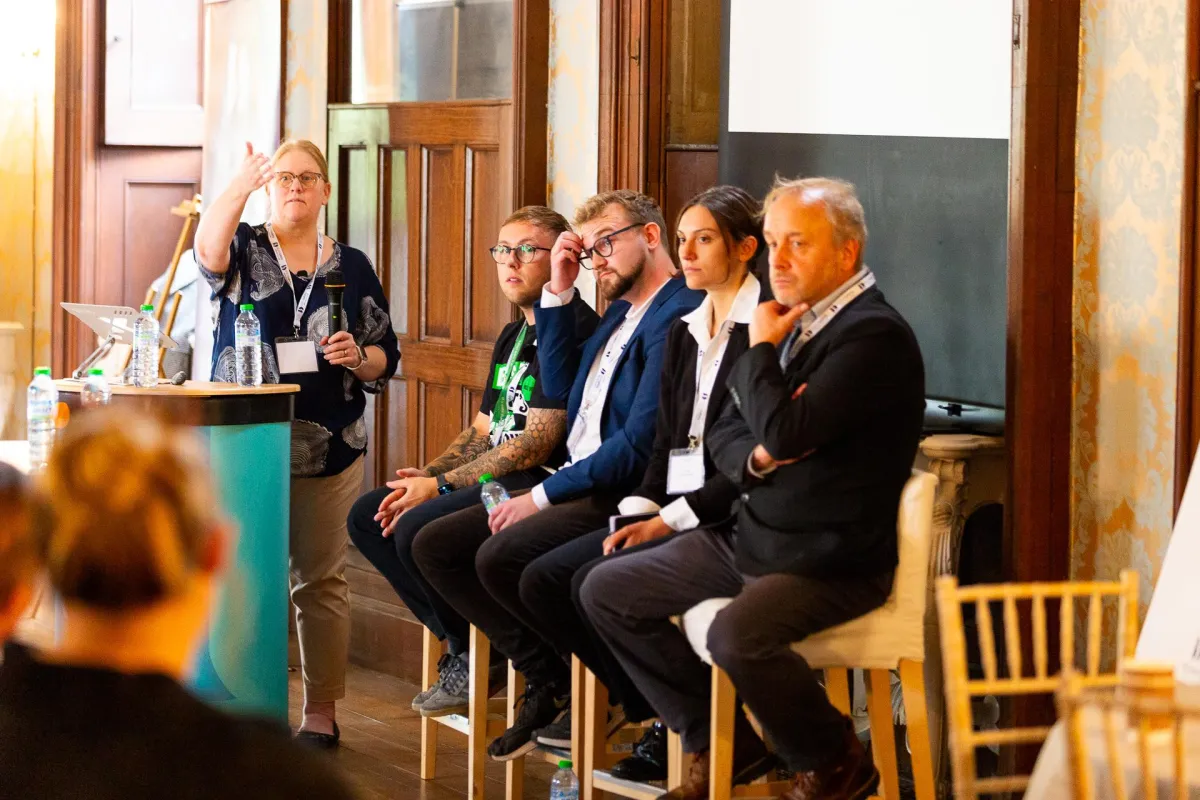

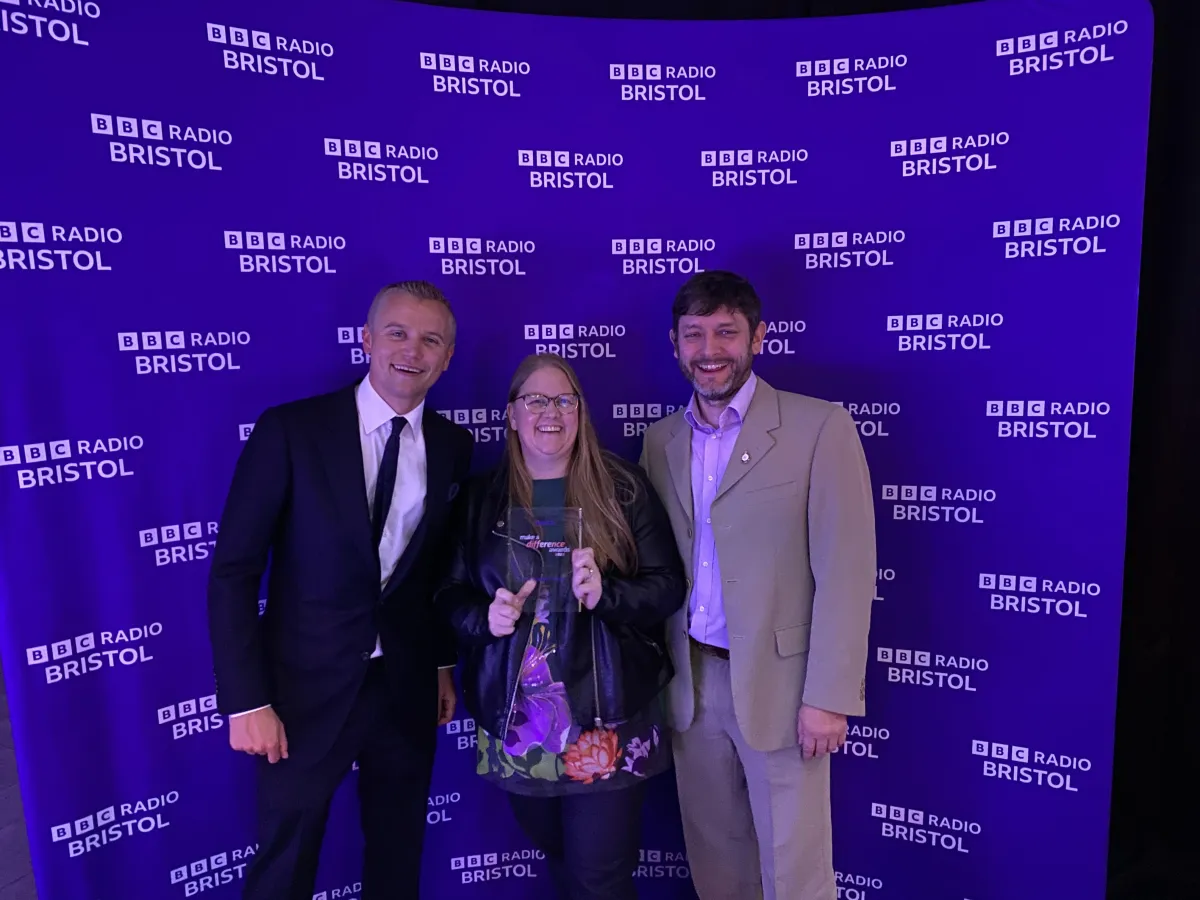


What do other people say?
Don't take it from me, here is what others say about working with me.
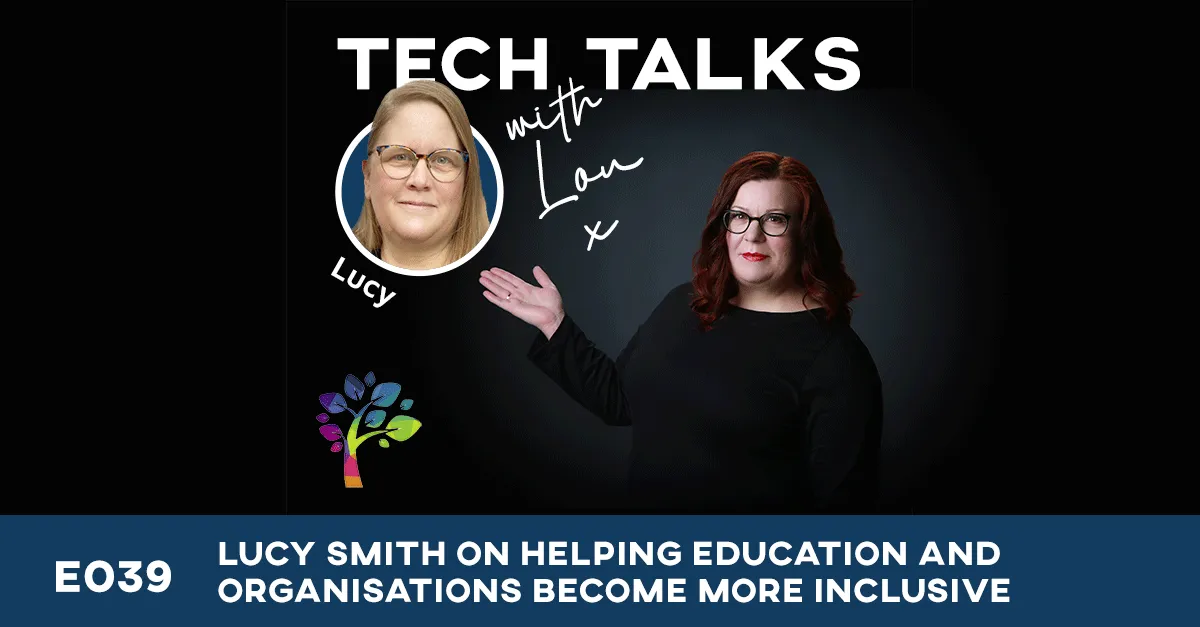
Listen online
Podcasts, interviews and YouTube
Read more
The blog
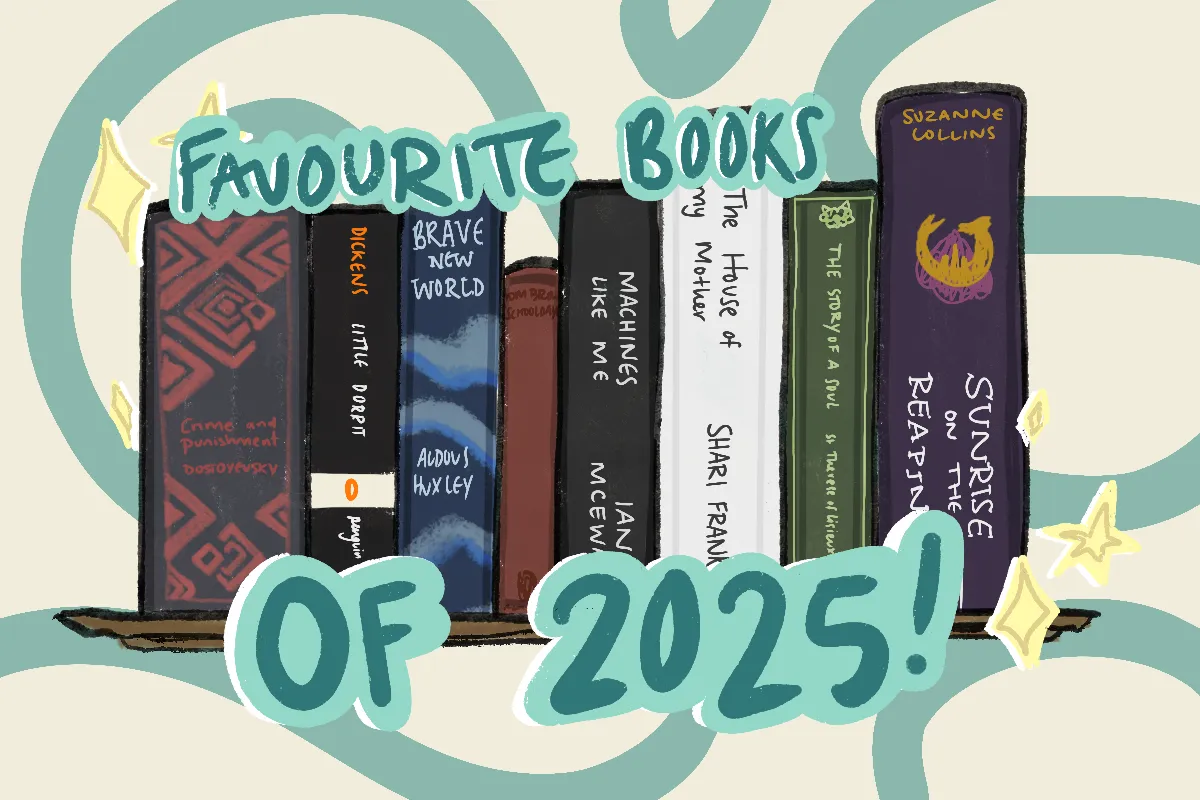
My Favourite Books of 2025 || 2025 Reading Wrap-Up
Happy new year!
Yes, I know I’m late.
I love the new year. Fresh starts, reflection and goal-setting. The world united in collective optimism towards the next 12 months… for about one week.
Although I don’t personally like strictly traditional ‘New Years Resolutions,’ I do enjoy taking the time to set some pressure-free intentions and goals. One of which for 2026 is to show up as myself more on social media - including this blog - sharing my life and interests outside of art.
I’m the final boss of all introverts, and I’ve got major imposter syndrome… meaning, I hate talking about myself. A hatred that extends to my own interests. I feel unqualified and boring - as though I ought to have a MA in 19th Century literature and a 10 year stand-up career to discuss with a friend the book I read last week.
Since literature is such a huge passion of mine, as a simple way to make a start on this goal, I wanted to share my favourite reads from the past year.
Most of these books weren’t published in 2025 - half weren’t even published in the current century - as I mostly fuel my reading habit with libraries and charity shop finds.
Whilst I don’t have a masters degree (yet…!), I do read a lot.
I read 39 books last year, which is a bit less than usual, as I wanted to focus more on the quality of my reading over the quantity of books read. Another large reason for this dip would be down to the few months I spent preparing, attending and recovering from my brief stint in higher education - and the subsequent 4-month long reading slump I found myself trapped in.
Despite that, I found a few new favourites and five-star-reads last year, which I hope you’ll also enjoy hearing about.
So, without any more waffle (and hopefully not too many spoilers), here are 8 of the best books I read in 2025…

1. Little Dorrit, Charles Dickens
Continuing a strange personal pattern, the first book I finished in 2025 has remained one of my favourites (in 2024 it was Donna Tart’s The Goldfinch).
After leaving a charity shop holding two stuffed bags containing an antique collection of Dickens’ entire works in 2024, I vowed that I would read more of his writing in the following year. Did I actually follow through on that particular goal? Not at all.
In fact, this one novel remained all the Dickens I read until December - but it has remained a stand out from my year.
Initially published in installments from 1855 to 1857, the story follows Arthur Clennam as he returns to London after two decades spent working abroad and falls into acquaintance with the Dorrit family, members of the Marshalsea debtor’s prison. Much of the novel revolves around Marshalsea, and I particularly enjoyed how Dickens satirised such institutions in its characterisation: because how can one pay off debt when they are imprisoned and unable to make the money?
Another personal highlight of the story was ‘Little’ Amy Dorrit herself. Despite having lived in the prison her entire life, she remained a loving, hopeful individual, and continued to care for those surrounding her, even when her circumstances took a turn.
A wonderful story discussing imprisonment (both physical and emotional), financial security and love, Little Dorrit is definitely an underrated classic.
"Every failure teaches a man something, if he will learn; and you are too sensible a man not to learn from this failure.”

2. Brave New World, Aldous Huxley
In a world that runs on strict efficiency, individual emotions and relationships are no longer necessary. Genetic altering and social conditioning determine each person’s place in the working society before they even reach adolescence; and through the use of drugs, humanity can remain in a constant state of calm happiness. In such systematic productivity, humanity has reached an age of clean perfection - but what seems to be the height of civilization to most living in this ‘brave new world,’ proves to be nothing more than a pacifier.
Aside from the clear conversations of class division, totalitarianism, and anxieties surrounding growing technology, readers are also met with the difficult truth that pain is part of being human. Suffering helps us to not only appreciate, but create beauty - something I found particularly moving after finishing the book.
Although I thought it was a little bit confusing in the way the narrative followed different characters, if you are a fan of dystopian fiction and somehow have not read this book, read it now.
Scratch that… if you can read and you are living on planet Earth right now, I command you to pick up this book.
"Actual happiness always looks pretty squalid in comparison with the overcompensations for misery.”

3. Crime and Punishment, Fyodor Dostoyevsky
How had I not read this before?
As a lover of classic literature, I am appalled to say that I had not read any Dostoyevsky prior to this.
After committing a seemingly random murder, the destitute Raskolnikov continues without much remorse initially - believing that he is among the greats, able to commit crime without any sense of guilt. That is, until investigations pick up and his growing conscience begins to gradually drive him into insanity (unless he was already there…).
An interesting story following themes of morality, sanity and redemption, Dostoyevsky’s classic had me thoroughly engaged and prompted a lot of thought.
It was definitely the kind of book that after finishing, I just had to sit in silence for a bit to process the question,
'what on earth do I after reading that?!'
“The man who has a conscience suffers while acknowledging his sin. That is his punishment.”

4. Tom Brown’s Schooldays
Oftentimes, it’s not the contents of a book that cause it to stand out as much as the time and place in which you read it. Although definitely not the target audience Hughes had in mind (I don’t entirely care for rugby or boyish mischief in my own life), reading this story during both a seemingly stagnant and yet incredibly transitional year of my life, I took a lot away from Tom Brown’s days at Rugby.
Through his years at school, readers watch Tom deal with bullies, the consequences of his own unruliness, and, eventually, the task of guiding the frail newcomer, George Arthur. His friendship with Arthur in the latter half of the book was particularly sweet, as I felt the two balanced each other well - Tom’s bold confidence contrasting with George’s calm sensitivity.
Hughes focuses in particular on Tom’s social and moral development - and he makes it very clear that the novel is intended to be almost entirely didactic. As a result, it can feel a little self-righteous at times… but I like my children’s literature extra-preachy, so I was okay with that! Christian ideals and moral beliefs also form a large cornerstone of the underlying message of the story, as Hughes explicitly mentions God throughout the novel.
Tom Brown’s Schooldays was a comforting read, and its influence can be seen in various British ‘school novels’ (like that of Harry Potter). It held a wonderful message about doing good wherever you are planted and remaining true to yourself - albeit whilst still finding time for fun.
“Just look about you in the place you find yourself in and try to make things a little better and honester there.”
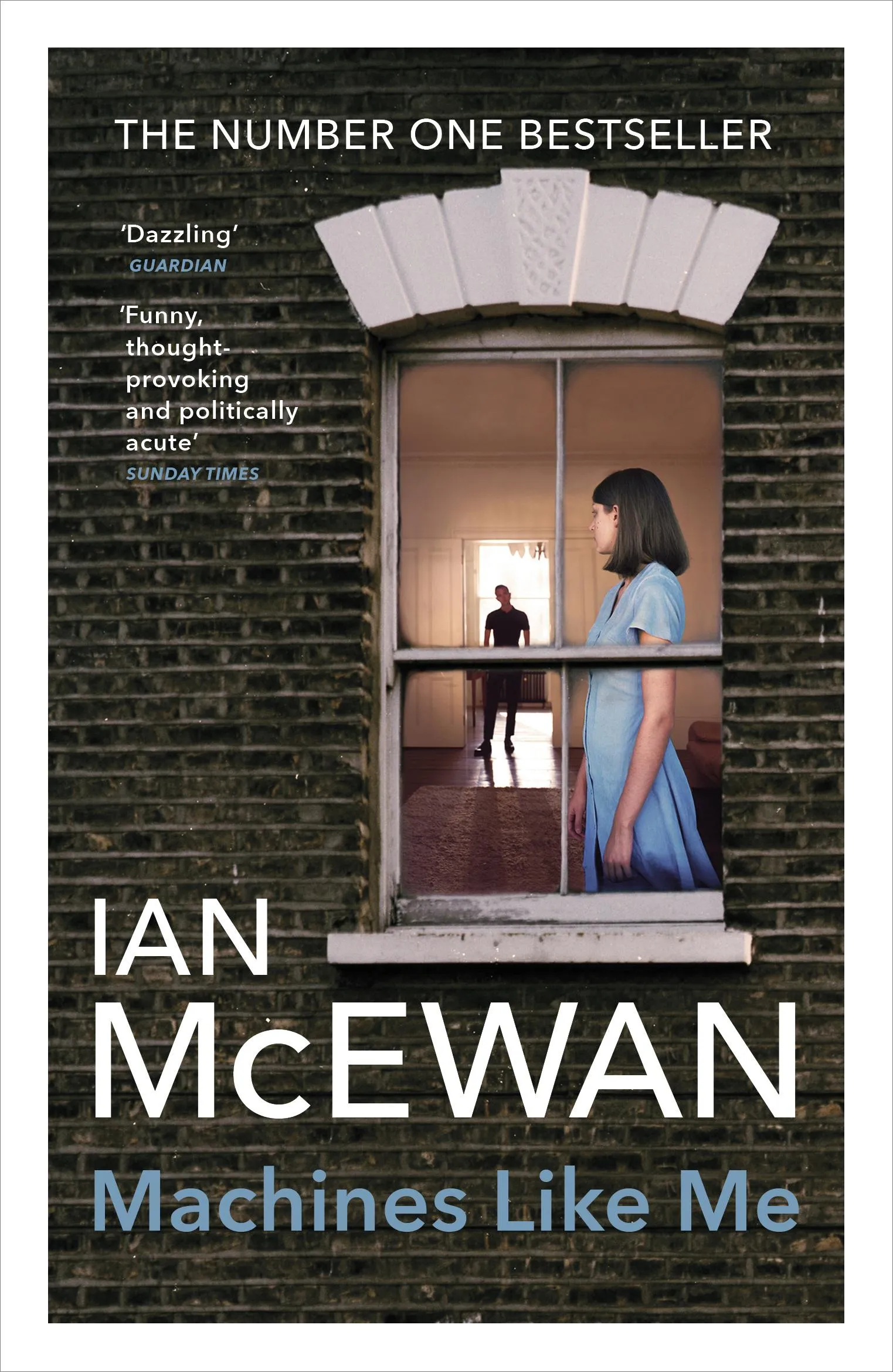
5. Machines Like Me, Ian McEwan
Another bit of science fiction - albeit slightly more modern!
A very fitting read in the midst of this strange AI-powered world we’ve found ourselves in, this book follows two characters and their complicated relationship as they purchase and (for lack of a better word) ‘raise’ an android together.
Like much of McEwan’s work, the bulk of the plot revolves around our main characters’ complex inner lives and relationships.
He grapples with the question of what makes us human when living alongside man-made technology, designed to mimic our thought patterns and behaviours.
Spoiler alert: It’s all of our mess!
Interestingly, this book was set in an alternative 1980s, after Britain loses the Falklands War. However, in comparison to the rest of the story, I felt that this was something which became lost - and I would often forget about it until Thatcher was mentioned again!
Despite that, this book was still a wonderful, thought-provoking read, and I would definitely recommend it - especially in our current day.
“If we didn’t know our own minds, how could we design theirs and expect them to be happy alongside us?”
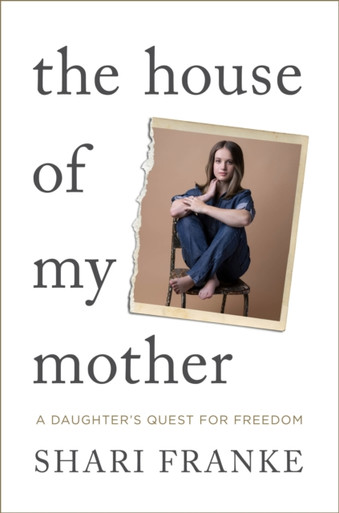
6. In the House of My Mother, Shari Franke
I’m not one to read a lot of non-fiction, but as soon as Shari Franke’s memoir was published, I immediately reserved it from my local library.
Having grown up on Youtube in the 2010s, I am no stranger to family vlogging. I think that there is a fascination towards seeing how different people live their lives, and as a child, I would spend hours watching youtubers walking me through their average day-to-day life.
Eight Passengers, whilst not a channel I frequented, was one I was aware of. When the news broke of the abuse taking place behind the camera, I was appalled to learn just how much pain Shari and her siblings were subjected to, and how much of it was unfortunately broadcasted for the entire world to watch when viewed in hindsight.
Although as a child, I enjoyed watching other families on the internet, as I’ve grown up I’ve changed my mind quite notably. There is an important discussion to be had about how much of a child’s life should be made available online - especially when that content is almost entirely orchestrated by parents.
Franke also discusses the dangers of religious extremism: discussing her mother’s Mormon beliefs, and how as her views became more extreme, so too did the abuse she inflicted.
Whilst a heartbreaking read, it was incredibly sobering and I’m in awe at Shari’s strength for sharing it.
“I wondered how the public’s consumption of other’s pain and suffering crossed the line from empathy to voyeurism.”

7. Sunrise on the Reaping, Suzanne Collins
Anyone that knows me could probably see this one coming…
growing up a hunger games super-fan, it would be sacrilegious not to include the latest release in the series.
Throughout the 2010s, I, alongside every other fandom nerd on tumblr, was begging for more of Haymitch’s backstory. Collins heard our prayers and she did not disappoint.
Taking place during the 50th Annual Hunger Games, the story follows Haymitch as he finds himself a part of the second quarter quell, with much of the prequel focusing on Haymitch’s futile attempts to get back at the capital. We got a greater look into Haymitch’s mind and how he became the pessimistic, drunken mentor introduced in the original trilogy - can you really blame the guy?
Despite knowing how things would end, I enjoyed reading how - similarly to Collins’ previous prequel - quiet resistance and hope remained present throughout the reign of the capital.
I felt that this book in particular did a wonderful job at demonstrating the corrupt power of the capital and how painfully influential propaganda is in oppressive regimes (something that feels all too real right now!).
I devoured this one, and I can’t wait to see it come to life on the big screen this Autumn… just don’t talk to me about Lenore Dove yet.
“You were capable of imagining a different future. And maybe it won’t be realized today, maybe not in our lifetime. Maybe it will take generations. We’re all part of a continuum. Does that make it pointless?”

8. The Story of a Soul, The Autobiography of St. Therese of Lisieux
Not one, but two non-fiction books on this list? What has gotten into me?!
In all seriousness, this was a fantastic read, and a strong book to end the year with.
I adore St Therese of Lisieux: her story, her quiet spirit and her love for God. As someone who often feels rather small, her humility is a great inspiration to me.
Finally reading her autobiography was incredibly powerful, and taught me a lot about what it means to live a life in service to God. I found her stubborn and sensitive character relatable, and I felt as though reading her words brought a sense of humanity to the saints which can otherwise be lost.
Within her writing, she puts forward the idea that it isn’t in the greatness of our actions that the Gospel is lived out (although for some that may be the case), but in the love in which we do them.
Nobody, no matter how seemingly small, is unable to share the love of Jesus with others.
Although not Catholic, Lisieux’s passion for Christ was a wonder to read.
Even if you aren’t a Christian, her autobiography says a lot about finding contentment where you are and carrying out all you do with an intention of love and service - a message that I believe more people need to hear.
“the brilliance of the rose and the whiteness of the lily do not lessen the perfume of the violet or the sweet simplicity of the daisy.”
So there you have it: a short list of my favourite reads from this past year!
Hopefully I didn’t bore you too much, and that you may have one or two new recommendations to add to your TBR lists (to-be-read lists).
During 2026, I hope to write more about the books I’ve been enjoying and discussing them here and over on my Instagram.
If that’s something you’re into, stick around... but if not, I have to ask, why are you even reading this?
“Therefore be imitators of God as dear children. And walk in love, as Christ loved us and gave Himself for us, a fragrant offering and sacrifice to God.”
Ephesians 5:1-2

Some of the Companies Inclusive Change Have Worked With


Inclusive Change Ltd
The Brightwell, Bradbury House
Wheatfield Drive
Bradley Stoke, Bristol
BS329DB
Reg no: 12412464
Copyright 2023 - Inclusive Change Ltd
VAT NO: 352 1564 17
ICO Reg: ZB081779
UK Register of Learning Providers: 10090652
Column Header
Lorem ipsum dolor sit amet consecetuer lorem ipsum
Organically grow the holistic world view of disruptive innovation
At the end of the day, going forward, a new normal that has evolved
Column Header
Lorem ipsum dolor sit amet consecetuer lorem ipsum
Organically grow the holistic world view of disruptive innovation
At the end of the day, going forward, a new normal that has evolved
Column Header
Lorem ipsum dolor sit amet consecetuer lorem ipsum
Organically grow the holistic world view of disruptive innovation
At the end of the day, going forward, a new normal that has evolved