

Thank you for helping to
Keep the conversation going
Here are some ways we can help you.
We hope you enjoyed The Castle Conference: Digital Wellbeing for Young People.
We know you want to keep the conversation going so we have created a page to help you do that.
The page will be updated with slides and videos when they are available.
Digital Safety Training & Consultancy
Digital Safety can provide a range of training services and consultancy. From one cyber security for non-profits to training for parents in your community.

Inclusive Change Support and Training
Want to know more about neurodiversity in your community? We can help: from unlocking the potential in your teams to deepening awareness of safeguarding vulnerable people.
Watch the Castle Conference Catch Up
We hope that The Castle Conference inspired you, got you thinking and talking about the topic of Digital Wellbeing. We really hope you have been talking about the conference to your friends, family and colleagues.
We certainly are and we arranged it!
The Castle Conference Catch-Up was a chance to keep talking, a chance to share your thoughts, a chance to find out what questions we have been asked since the day and a chance to ask us new questions.
Andy & Lucy
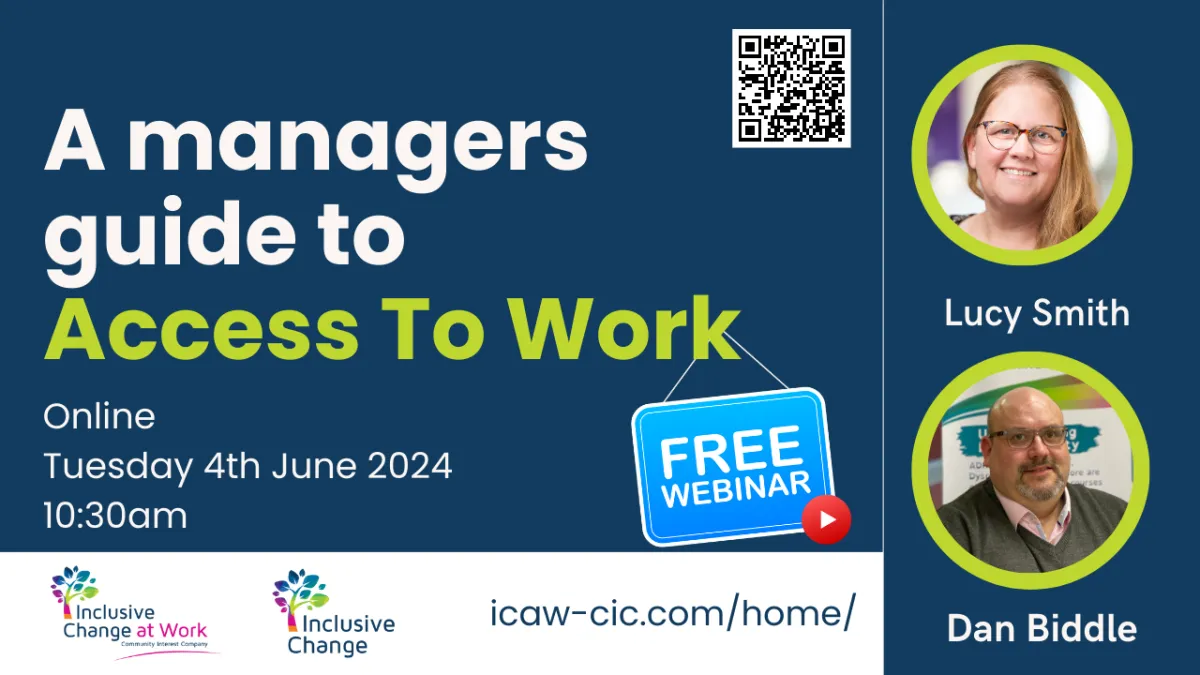
4th June 2024
Free Webinar
Join Lucy & Dan from Inclusive Change At Work CIC who will be discussing how to support disabled and neurodivergent employees to thrive at work.
Recap from the event
We have combined the slides into a video for you to rewatch
This is only the slides - no audio. Videos will be uploaded soon.
Speaker Videos
We will be uploading videos from The Castle Conference as soon as they are available.
COMING SOON!
Resources
Links and downloads for you
Watch or listen online to our podcasts

Spotify Podcast
Listen to our speakers and exhibitors

Burnout, Parenting and Work
Burnout, Parenting and Work
The pressure many employees are carrying quietly
There are many parents going to work each day already exhausted before the working day has even started.
Not because they are unmotivated.
Not because they are disorganised.
And not because they cannot cope with work itself.
But because they are trying to balance work alongside supporting a neurodivergent child in systems and environments that often do not fully understand the reality families are managing.
Burnout does not always look dramatic
When people think about burnout, they often imagine someone reaching complete crisis point.
But for many parents of neurodivergent children, burnout can look quieter than that.
It can look like:
Forgetting things more often
Finding it harder to concentrate
Feeling emotionally exhausted before the day begins
Constantly anticipating problems
Working late to catch up after difficult mornings
Feeling guilty at work and guilty at home
Brain fog
Many become highly skilled at masking this pressure.
They keep showing up.
They keep functioning.
They keep trying to hold everything together.
Until eventually, something gives.
The invisible workload
Supporting a neurodivergent child often involves far more than many people realise.
Alongside parenting itself, parents may also be managing:
School attendance challenges
Anxiety and emotional overwhelm
Emotionally Based School Avoidance (EBSA)
Recovery after masking all day at school
Appointments, referrals and waiting lists
Ongoing advocacy and communication with schools or services
Constant unpredictability
Many parents are trying to manage all of this while still meeting deadlines, attending meetings, and maintaining performance at work.
Over time, that level of pressure becomes difficult to sustain.
Why school attendance issues affect work performance
For some families, mornings can become one of the most stressful parts of the day.
Parents may already have spent hours managing anxiety, distress, dysregulation, or school refusal before logging on to work or walking into the office.
That stress does not simply disappear once the working day begins.
It can affect concentration, emotional capacity, communication, and energy levels throughout the day.
Without understanding and flexibility, many employees end up trying to “push through” while quietly burning out.
Signs of burnout parents may hide at work
Burnout is not always obvious.
Many employees work extremely hard to make sure their struggles are not visible.
At work, burnout may show up as:
Changes in communication
Difficulty concentrating
Withdrawing from colleagues
Increased anxiety or emotional sensitivity
Exhaustion and fatigue
Using annual leave to manage crises at home
Working late to catch up after difficult days
Without context, these changes can easily be misunderstood as disengagement or poor performance.
Why work can become another pressure point
For many employees, work does not feel like a place where they can openly explain what is happening.
Some worry they will be seen as less committed.
Others fear being judged or treated differently.
Some simply feel exhausted by having to explain things repeatedly.
So instead, people often try to absorb the pressure quietly.
They use annual leave for crises.
They work later to compensate.
They respond to emails late at night.
They push through until burnout becomes unavoidable.
What organisations may then see is:
Changes in communication
Reduced concentration
Increased sickness absence
Withdrawal from colleagues
Difficulty managing workload
Without context, these changes can easily be misunderstood.
Supporting employees before crisis point
Support does not need to mean lowering expectations or removing accountability.
Often, the most effective support comes from small, practical changes.
This might include:
Flexibility during particularly difficult periods
Understanding around school-related emergencies
Clear communication and written follow-ups
Adjustments to workload where possible
Managers checking in early rather than waiting for crisis point
Creating an environment where employees feel safe to be honest
For many employees, simply feeling understood reduces a significant amount of pressure.
Why flexibility matters for employee retention
This is not just a wellbeing conversation.
Burnout affects retention, performance, morale, and long-term sustainability.
When employees feel unsupported for long periods of time, organisations risk losing experienced, capable people who actually want to stay.
In many cases, flexibility and understanding are the things that allow employees to continue contributing sustainably.
Small changes can have a significant impact.
Managers are under pressure too
Many managers genuinely want to support their teams well.
But they are often balancing operational pressures, performance expectations, and limited guidance around how to handle situations like this.
Managers do not need to become experts in neurodiversity.
But confidence, understanding, and practical conversations can make a significant difference to whether employees feel supported or pushed closer to burnout.
What is parental burnout?
Parental burnout is a state of physical, emotional, and mental exhaustion caused by prolonged parenting-related stress.
For parents of neurodivergent children, this can be intensified by anxiety, school challenges, advocacy, sensory overwhelm, and ongoing unpredictability.
Many parents continue functioning while quietly exhausted, often without recognising how close they are to burnout themselves.
Small changes matter
Many parents of neurodivergent children are already doing everything they can to keep all areas of life moving.
What helps is not perfection.
It is workplaces that recognise people are human, life is complicated, and support does not always need to be huge to matter.
Because when employees feel understood rather than judged, they are far more likely to stay, contribute, and perform at their best.
Join our free Lunch & Learn
We are running a practical Lunch & Learn exploring this topic in more depth:
Supporting Parents of Neurodivergent Children at Work
A session for managers, HR teams, and organisations who want to better understand the pressures employees may be managing and how to respond in practical, realistic ways.
Book your place here.
Frequently Asked Questions
Can parenting a neurodivergent child lead to burnout?
Yes. Many parents experience emotional and physical burnout from balancing work alongside school challenges, anxiety, appointments, advocacy, and unpredictable routines.
How can burnout affect employees at work?
Burnout can affect concentration, communication, attendance, confidence, and overall wellbeing. Many employees continue masking their stress until they reach crisis point.
Why do parents of neurodivergent children struggle at work?
Many parents are managing significant pressures outside work, including school attendance issues, anxiety, sensory overwhelm, and navigating support systems, often without flexibility or understanding at work.
What support can employers provide?
Practical support can include flexible working, clear communication, understanding around emergencies, workload adjustments, and supportive manager conversations.
What is masking burnout?
Masking burnout happens when someone continues appearing “fine” externally while internally exhausted from prolonged stress, pressure, or emotional overload.


Get Your FREE eBook
A Practical guide to Simplify your Digital Life
Digital Safety CIC - Online Resources
Exhibitor Information
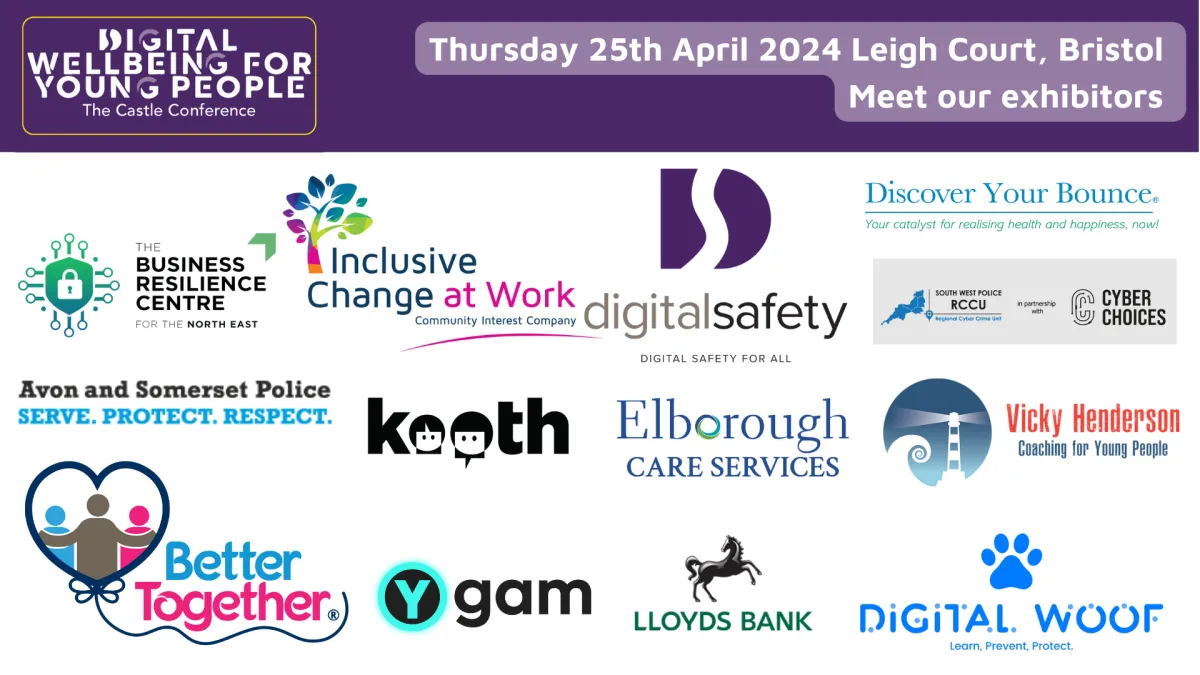
We think you will agree that our exhibitors contributed so much to the event.
We know that we can tackle the problems we face alone - which is why we love working with others.
Thank you - you made the day INCREDIBLE!
Inclusive Change At Work CiC
Bradbury House
Wheatfield Road
Bradley Stoke
Bristol
BS32 9DB
Companies House: 13271923
ICO registration: ZZB293922
UK register of Learning providers
UKRLP: 10090653
Privacy Policy | Terms and Conditions
Copyright © 2024 Inclusive Change At Work CiC | All Rights Reserved
LinkedIn