Thank you for helping to
Keep the conversation going
Here are some ways we can help you.
We hope you enjoyed The Castle Conference: Digital Wellbeing for Young People.
We know you want to keep the conversation going so we have created a page to help you do that.
The page will be updated with slides and videos when they are available.
Digital Safety Training & Consultancy
Digital Safety can provide a range of training services and consultancy. From one cyber security for non-profits to training for parents in your community.

Inclusive Change Support and Training
Want to know more about neurodiversity in your community? We can help: from unlocking the potential in your teams to deepening awareness of safeguarding vulnerable people.
Watch the Castle Conference Catch Up
We hope that The Castle Conference inspired you, got you thinking and talking about the topic of Digital Wellbeing. We really hope you have been talking about the conference to your friends, family and colleagues.
We certainly are and we arranged it!
The Castle Conference Catch-Up was a chance to keep talking, a chance to share your thoughts, a chance to find out what questions we have been asked since the day and a chance to ask us new questions.
Andy & Lucy
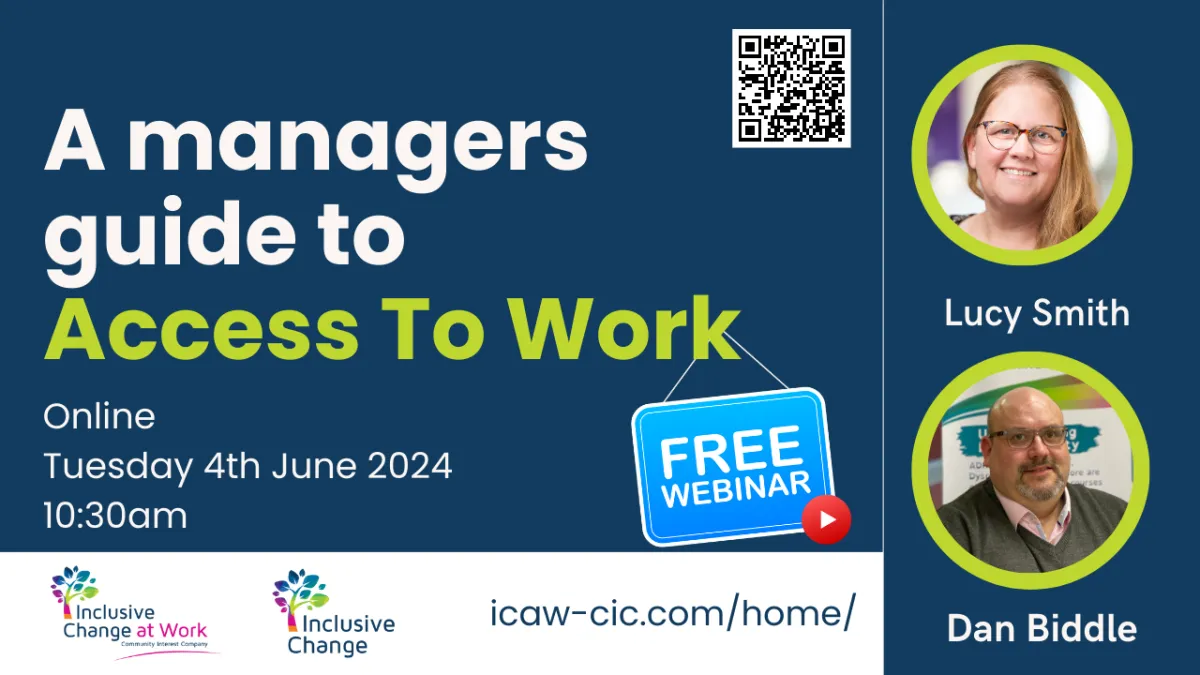
4th June 2024
Free Webinar
Join Lucy & Dan from Inclusive Change At Work CIC who will be discussing how to support disabled and neurodivergent employees to thrive at work.
Recap from the event
We have combined the slides into a video for you to rewatch
This is only the slides - no audio. Videos will be uploaded soon.
Speaker Videos
We will be uploading videos from The Castle Conference as soon as they are available.
COMING SOON!
Resources
Links and downloads for you
Watch or listen online to our podcasts

Spotify Podcast
Listen to our speakers and exhibitors

Why ADHD at Work is Everyone’s Business: What the “Keep Britain Working” review and ADHD Taskforce report mean for you
Why ADHD at Work is Everyone’s Business: What the “Keep Britain Working” review and ADHD Taskforce report mean for you
Introduction
As an HR or inclusion leader, you’re used to balancing business performance, wellbeing and compliance. But a twin wave of national reports is telling us it’s time to place ADHD firmly on the agenda.
On one hand there’s the Keep Britain Working Review, calling on employers to step up in tackling health-related worklessness. On the other, the Independent ADHD Taskforce Report highlights how poorly ADHD is recognised, diagnosed and supported - and how that impacts employers, productivity and inclusion.
I have been reading the reports this week and talking about them in training sessions as they are so relevant to the workplace right now. I have long believed that we are experiencing a crisis in the workplace due to burnout and overwhelm (and thats everyone not only neurodivergent staff) which is leading to a productivity crisis for employers. As a small business owner and employer myself I see and experience this from both sides - and personally.
Together, these reports underline something many of us in this field have known for years: neurodiversity isn't a side conversation - it's central to the future of work.
What the reports say
Keep Britain Working
The review identifies a growing health-related worklessness crisis in the UK and points to a shared responsibility model: employers, government, health and social supports must all play their part.
It suggests that hidden health issues - including neurodivergence - are undermining retention, engagement and capability in a way that cannot be ignored.
According to the Keep Britain Working Review (Department for Work and Pensions, 2025), employers must take a proactive role in tackling health-related worklessness.
ADHD Taskforce Report
The Taskforce points out that ADHD is: under-recognised, under-diagnosed and under-supported.
The Key take-aways are;
Many adults with ADHD may still be waiting for diagnosis or support.
There’s a call to offer needs-led support ahead of or without diagnosis.
The report identifies significant cost implications for non-support: dropout, unemployment, mental health, workplace exits.
“What these new reports highlight is what I’ve been hearing in every training room for years - managers are already facing neurodiversity every day.
They’re not resistant; they’re uncertain. These reports validate that uncertainty and turn it into a national call to act.”
When I first started talking about neurodiversity in the workplace seven years ago, waybefore that pandemic, I often said that the conversation wasn’t about future trends - it was about Gen Z’s lived reality (Although it also transpires that many other generations are also speaking up about their own experiences).
Gen Z grew up talking openly about mental health, identity and inclusion. They expect employers to understand difference, not to pathologise it.
In my workshops, managers regularly say,“I just want to do the right thing, but I don’t know what’s reasonable.”
These reports give them permission, and responsibility, to start with empathy and evidence, rather than waiting for perfect systems or diagnosis letters that may never come.
What this means for employers
Together, these reports send a clear message:
ADHD is not just a clinical or educational issue, it affects work, careers and organisations.
Employers cannot wait for perfect diagnosis or paperwork; the emphasis is shifting to what needs a person has and what you can do about it.
Doing nothing is a risk: performance issues, turnover, disengagement and legal exposure are part of the cost – and as the reports show, those costs are high.
Practical next steps
If you want to take action here are some tips for what to do now...
Review your workforce data: how many staff are reporting mental health, attention, focus or executive function issues?
Check your policies and manager training: are ADHD and neurodivergence included in your inclusion, performance and adjustment frameworks?
Start the conversation: get line-managers comfortable asking “What gets in the way of you doing your best work?” rather than “What’s wrong with you?”
Ask for help: ensure HR, inclusion and occupational health are aligned on how to support “suspected” or “undetected” ADHD, not only the formally diagnosed.
These reports don’t just confirm what’s happening, they legitimise what inclusive employers have felt for years: the system may be slow, but your response doesn’t have to be.
Find out More
If you’re ready to build manager confidence, create inclusive adjustment-pathways and align your policies with the latest national research, then we’d love to support you.
I am running a FREE Lunch & Learn on 11th November 2025 called “Red flags or Reasonable Adjustments” you can sign up here:
https://www.inclusivechange.co.uk/stc---red-flags-and-reasonable-requests
And if you are looking for bespoke training for your team get in touch today to discuss our training offer for line-managers and HR teams.
Your Questions Answered
Q1: What is the Keep Britain Working Review?
The Keep Britain Working Review (Department for Work and Pensions, 2025) examines the UK’s health-related worklessness crisis.
It calls on employers, government and healthcare to share responsibility for helping people with long-term or hidden health conditions stay in work.
Read it here: Keep Britain Working Review – GOV.UK
Q2: What did the ADHD Taskforce Report (2025) recommend for workplaces?
The Independent ADHD Taskforce Report from NHS England highlights that ADHD is under-recognised and under-supported across the UK.
It recommends a needs-led approach — meaning employers should provide support and reasonable adjustments even before formal diagnosis.
Read it here:ADHD Taskforce Report – NHS England
Q3: Why does ADHD awareness matter for employers?
ADHD affects focus, executive function and time management, all crucial workplace skills.
Supporting employees through small, practical adjustments improves retention, wellbeing and productivity, while reducing legal and reputational risk under the Equality Act 2010.
Q4: What are “needs-led” adjustments?
“Needs-led” means adapting the job or environment based on what an employee needs to perform well, not waiting for medical paperwork.
Examples include clear instructions, quieter workspaces, flexible start times, and written follow-ups after meetings.
Q5: How can Inclusive Change Ltd help?
Inclusive Change Ltd is a UK-based neurodiversity consultancy working with employers across Bristol, Devon, the South West and nationwide.
We help HR teams and line-managers understand ADHD, build confidence, and apply fair decision-making through our Red Flags or Reasonable Adjustments training and Start the Conversation Workshops.
Join our next session: https://www.inclusivechange.co.uk/stc---red-flags-and-reasonable-requests



Get Your FREE eBook
A Practical guide to Simplify your Digital Life
Digital Safety CIC - Online Resources
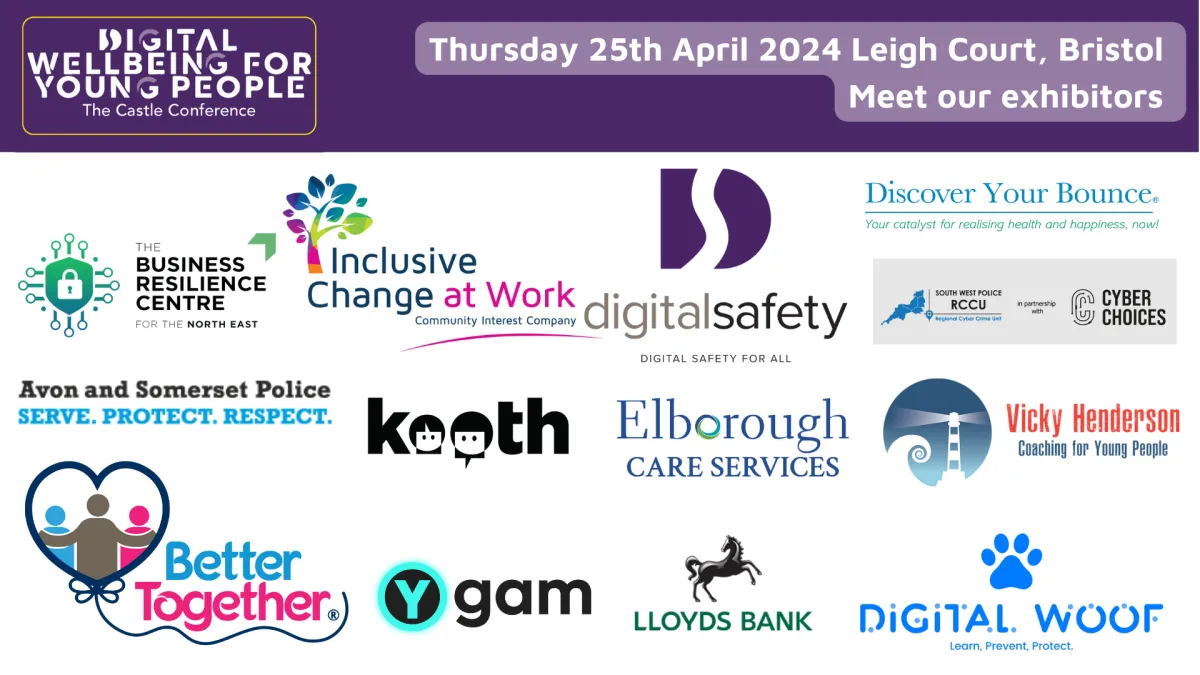
Exhibitor Information
We think you will agree that our exhibitors contributed so much to the event.
We know that we can tackle the problems we face alone - which is why we love working with others.
Thank you - you made the day INCREDIBLE!
Inclusive Change At Work CiC
Bradbury House
Wheatfield Road
Bradley Stoke
Bristol
BS32 9DB
Companies House: 13271923
ICO registration: ZZB293922
UK register of Learning providers
UKRLP: 10090653
Privacy Policy | Terms and Conditions
Copyright © 2024 Inclusive Change At Work CiC | All Rights Reserved
LinkedIn