
Thank you for helping to
Keep the conversation going
Here are some ways we can help you.
We hope you enjoyed The Castle Conference: Digital Wellbeing for Young People.
We know you want to keep the conversation going so we have created a page to help you do that.
The page will be updated with slides and videos when they are available.
Digital Safety Training & Consultancy
Digital Safety can provide a range of training services and consultancy. From one cyber security for non-profits to training for parents in your community.

Inclusive Change Support and Training
Want to know more about neurodiversity in your community? We can help: from unlocking the potential in your teams to deepening awareness of safeguarding vulnerable people.
Watch the Castle Conference Catch Up
We hope that The Castle Conference inspired you, got you thinking and talking about the topic of Digital Wellbeing. We really hope you have been talking about the conference to your friends, family and colleagues.
We certainly are and we arranged it!
The Castle Conference Catch-Up was a chance to keep talking, a chance to share your thoughts, a chance to find out what questions we have been asked since the day and a chance to ask us new questions.
Andy & Lucy
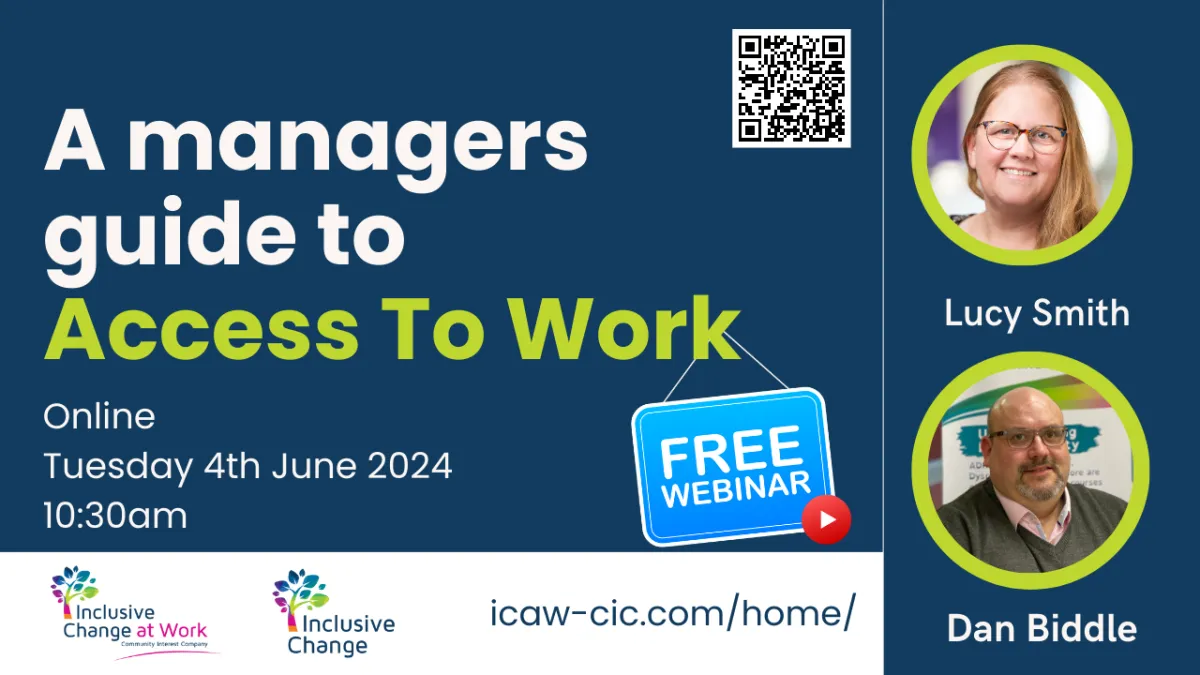
4th June 2024
Free Webinar
Join Lucy & Dan from Inclusive Change At Work CIC who will be discussing how to support disabled and neurodivergent employees to thrive at work.
Recap from the event
We have combined the slides into a video for you to rewatch
This is only the slides - no audio. Videos will be uploaded soon.
Speaker Videos
We will be uploading videos from The Castle Conference as soon as they are available.
COMING SOON!
Resources
Links and downloads for you
Watch or listen online to our podcasts

Spotify Podcast
Listen to our speakers and exhibitors
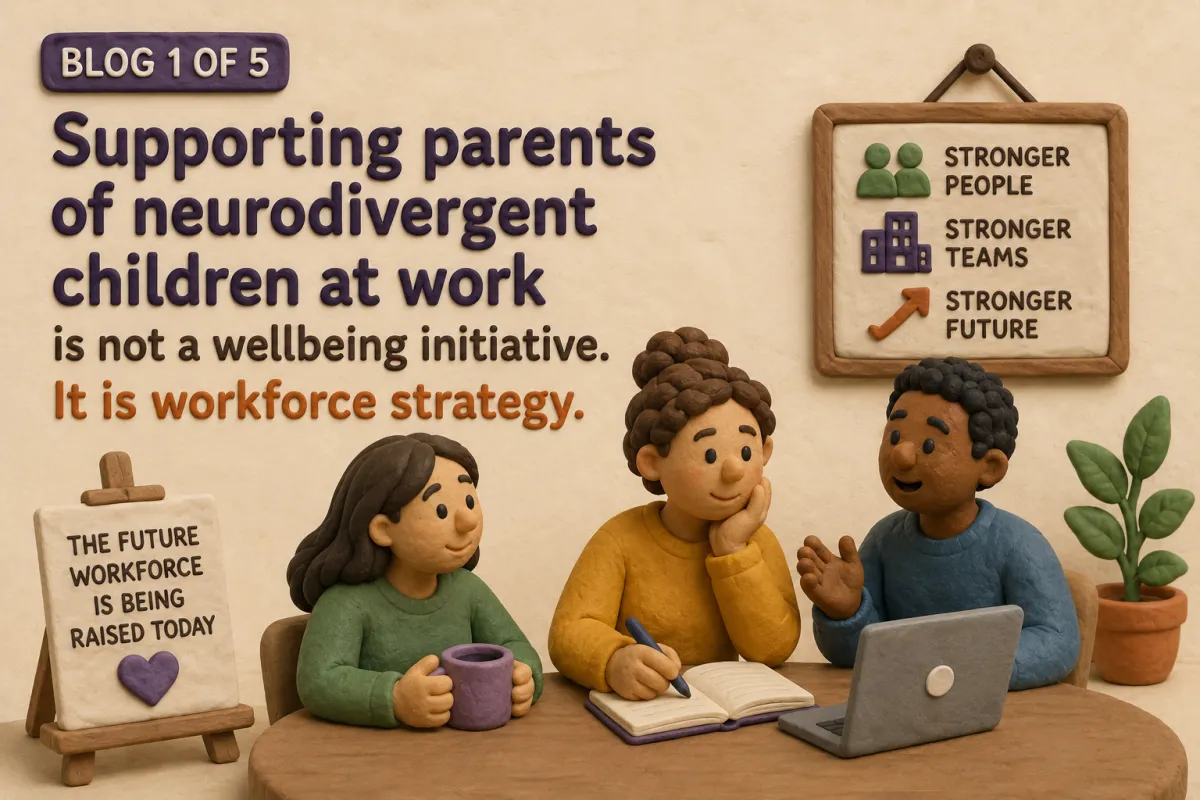
Supporting parents of ND children at work- wellbeing initiative or workforce strategy
Supporting parents of neurodivergent children at work - a wellbeing initiative or a workforce strategy?
We ran our first Supporting Parents of Neurodivergent Children at Work Lunch and Learn this week. And the fact that it was by far the highest attended session we have ever run tells us something. Actually, it tells us several things.
It tells us that managers are struggling to know how to support staff, that parents are exhausted, and that organisations are beginning to recognise a growing pressure point. It tells us that people are desperate for practical conversations, not performative wellbeing, and that many workplaces still do not have the language, systems, or confidence to navigate this properly.
What struck me most during the session was how many people quietly recognised themselves in the conversation. Not just as managers. But as parents, carers, sandwich carers, and exhausted professionals trying to hold multiple systems together at once.
Because this is bigger than 'supporting parents.' This is about whether our workplaces reflect the reality of modern life anymore.
The question workplaces are not asking
For years, organisations have focused heavily on leadership pipelines, workforce sustainability, future skills, AI, productivity, and retention. These are important conversations. But very few are asking the question that sits underneath all of them:
"What pressures are the people raising the future workforce already carrying?"
And increasingly, the answer is: too many. Many working parents of neurodivergent children are simultaneously managing Education, Health and Care Plan (EHCP) processes, NHS waiting lists, school communication breakdowns, emotional regulation, financial pressure, sleep deprivation, and care coordination, while also trying to remain productive at work. Some are additionally caring for ageing parents. Some are supporting neurodivergent partners. Some are navigating their own late diagnosis. Many are doing all three.
This is a systems issue, not a personal one
The iceberg model from systems thinking is useful here. What organisations tend to see - resignations, sickness absence, burnout - are events at the surface. But underneath those events are recurring patterns: consistent turnover among parent carers, manager avoidance of difficult conversations, wildly inconsistent support depending on who you happen to report to.
Go deeper still and you find the underlying structures that generate those patterns: no neurodiversity training for managers, reactive rather than proactive HR, workload designed for people without caring complexity. And at the very base of the iceberg, the hardest layer to reach and the most important to shift, sit the mental models. The belief that caring is a private problem employees should manage around work. The assumption that support means lowering standards. The idea that if someone is struggling, the answer is more resilience.
These beliefs are rarely stated out loud. But they shape everything.
Systems thinking lens
The visible event (a resignation, an absence) is not the problem. It is the signal. The problem lives in the structures and mental models underneath it — and that is where sustainable change has to begin.
The real future of work risk is human sustainability
The future of work conversation often centres around technology - AI, automation, hybrid working, digital transformation. But one of the biggest workforce risks organisations face over the next decade is not technological. It is human sustainability.
Can people sustainably remain in work while navigating caring responsibilities, neurodiversity, burnout, financial pressure, ageing populations, and increasing complexity in everyday life?
That is the real question. And it is one that employers who want to retain skilled, experienced people cannot afford to ignore.
The hidden labour nobody is counting
Many organisations only see the workplace impact: lateness, reduced focus, sickness absence, emotional fatigue. What they do not see is the midnight paperwork, the meetings with schools, the tribunal preparation, the emotional recovery after a difficult morning, the attempt to regulate a distressed child while preparing for a board meeting.
This is hidden labour. And it is everywhere. The sandwich carer conversation (people simultaneously managing children and ageing relatives while maintaining careers) is coming whether workplaces are ready for it or not.
What needs to happen
We need to stop treating this as an isolated wellbeing topic and start treating it as what it actually is: a systems issue. That means working at every layer of the iceberg — shifting mental models through storytelling and leadership visibility, redesigning structures through policy, training and workload review, and reading patterns before they become crises.
If we genuinely want to build the future of work, we cannot ignore the people currently raising and sustaining the future workforce. That is not a side conversation. It is central to workforce strategy.
P.S.
If this conversation resonates, whether you are a manager trying to support your team, an HR professional building better systems, or an organisation that wants to move from awareness to action we would love to hear from you. Inclusive Change offers bespoke training, consultancy, and mentoring. Get in touch at [email protected] to find out how we can help.
Get Your FREE eBook
A Practical guide to Simplify your Digital Life
Digital Safety CIC - Online Resources
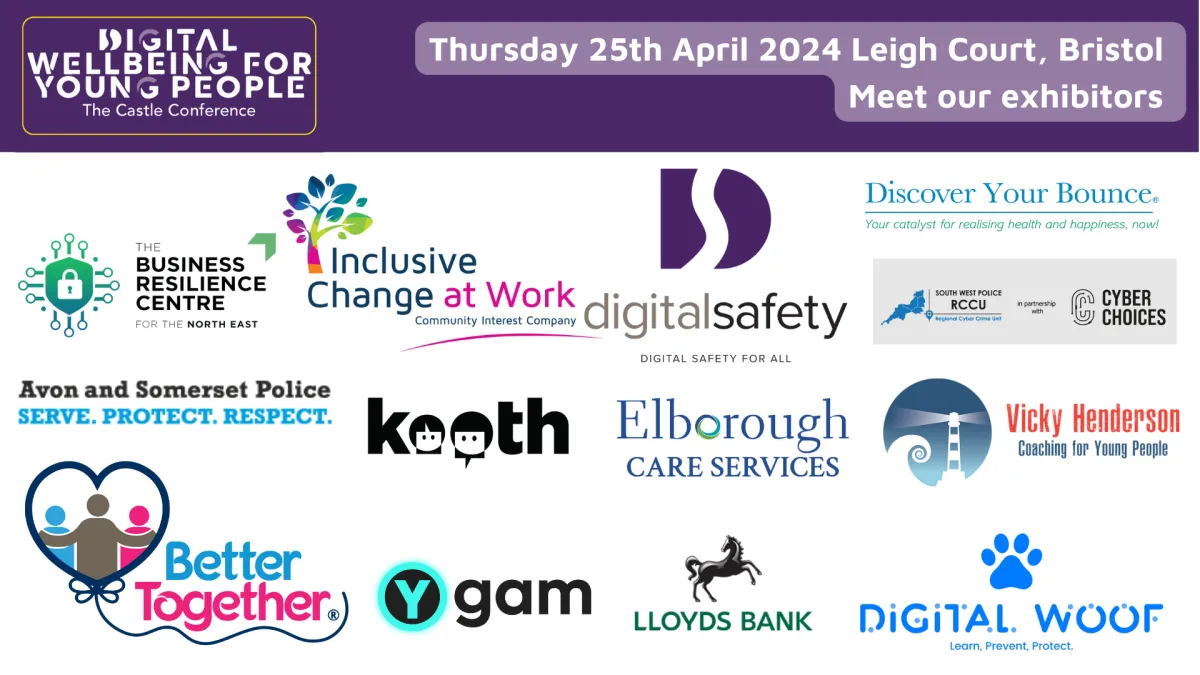
Exhibitor Information
We think you will agree that our exhibitors contributed so much to the event.
We know that we can tackle the problems we face alone - which is why we love working with others.
Thank you - you made the day INCREDIBLE!
Inclusive Change At Work CiC
Bradbury House
Wheatfield Road
Bradley Stoke
Bristol
BS32 9DB
Companies House: 13271923
ICO registration: ZZB293922
UK register of Learning providers
UKRLP: 10090653
Privacy Policy | Terms and Conditions
Copyright © 2024 Inclusive Change At Work CiC | All Rights Reserved
LinkedIn