Thank you for helping to
Keep the conversation going
Here are some ways we can help you.
We hope you enjoyed The Castle Conference: Digital Wellbeing for Young People.
We know you want to keep the conversation going so we have created a page to help you do that.
The page will be updated with slides and videos when they are available.
Digital Safety Training & Consultancy
Digital Safety can provide a range of training services and consultancy. From one cyber security for non-profits to training for parents in your community.

Inclusive Change Support and Training
Want to know more about neurodiversity in your community? We can help: from unlocking the potential in your teams to deepening awareness of safeguarding vulnerable people.
Watch the Castle Conference Catch Up
We hope that The Castle Conference inspired you, got you thinking and talking about the topic of Digital Wellbeing. We really hope you have been talking about the conference to your friends, family and colleagues.
We certainly are and we arranged it!
The Castle Conference Catch-Up was a chance to keep talking, a chance to share your thoughts, a chance to find out what questions we have been asked since the day and a chance to ask us new questions.
Andy & Lucy
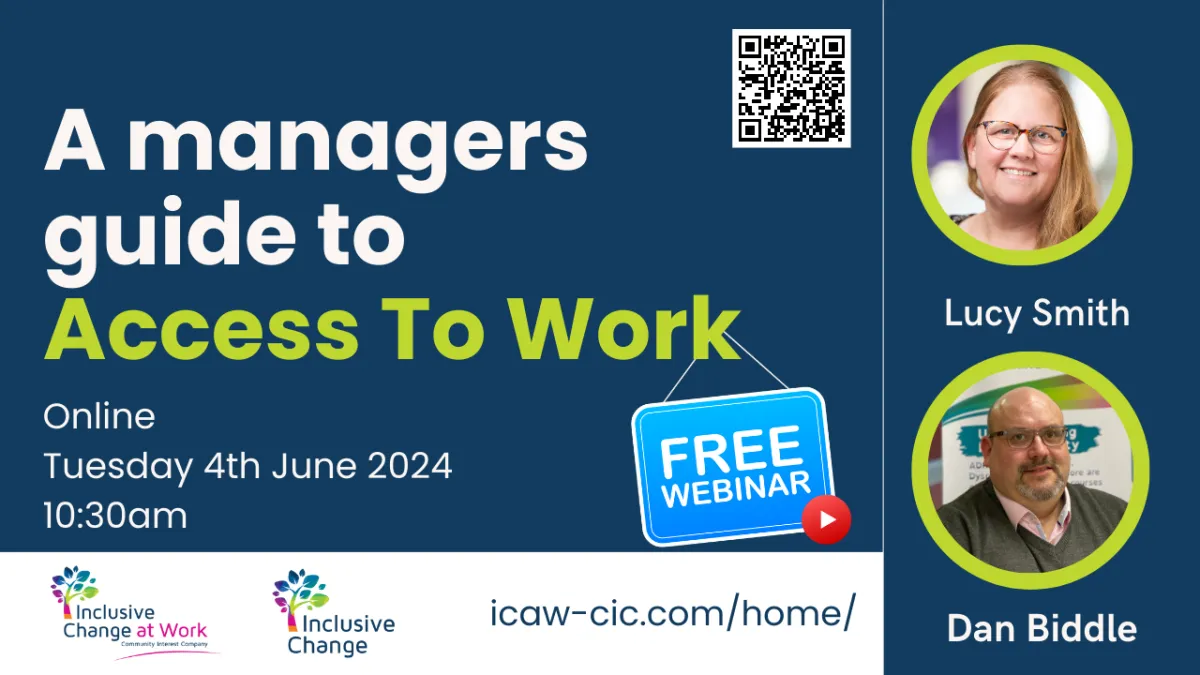
4th June 2024
Free Webinar
Join Lucy & Dan from Inclusive Change At Work CIC who will be discussing how to support disabled and neurodivergent employees to thrive at work.
Recap from the event
We have combined the slides into a video for you to rewatch
This is only the slides - no audio. Videos will be uploaded soon.
Speaker Videos
We will be uploading videos from The Castle Conference as soon as they are available.
COMING SOON!
Resources
Links and downloads for you
Watch or listen online to our podcasts

Spotify Podcast
Listen to our speakers and exhibitors
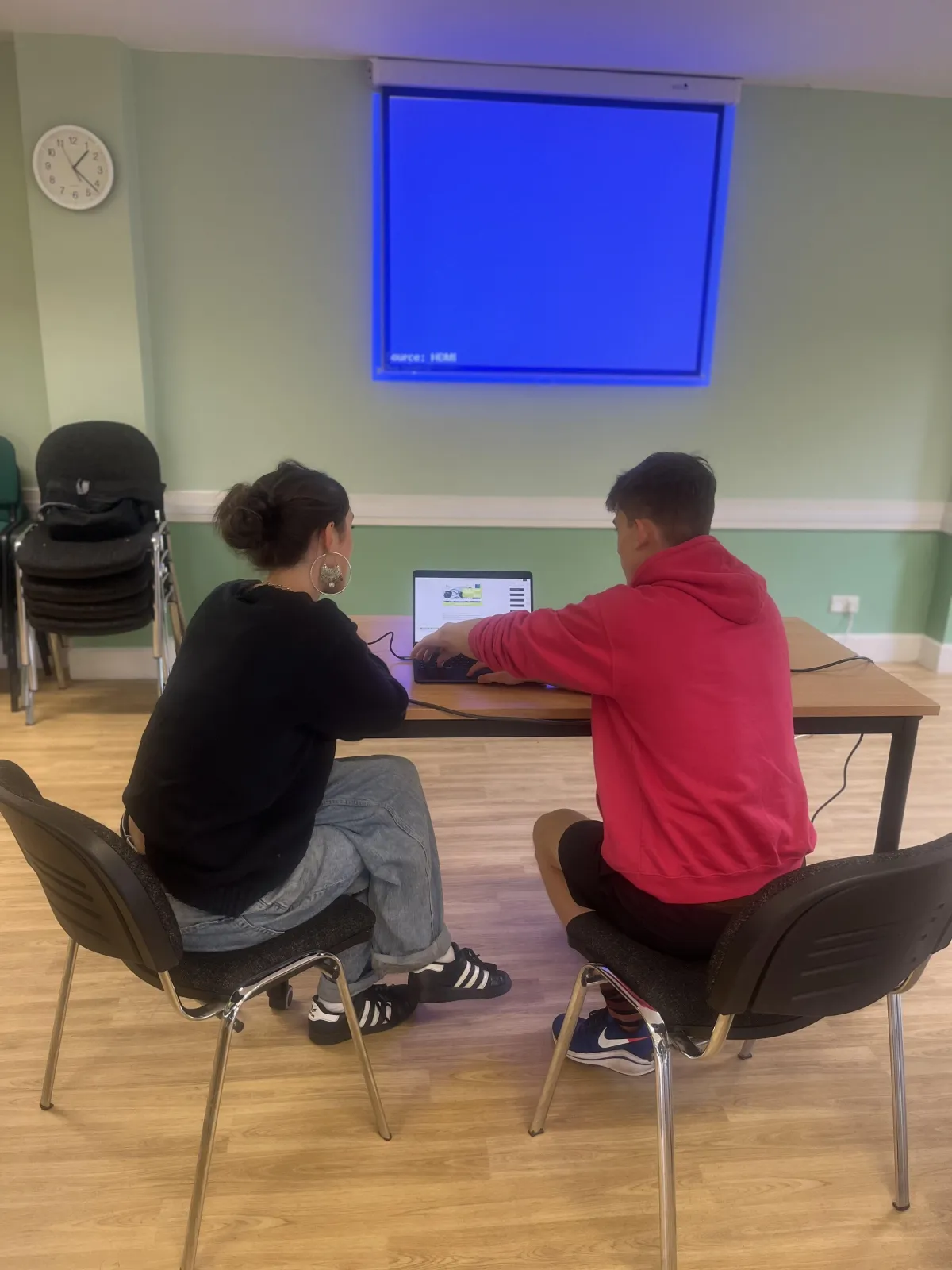
Neurodiversity-Informed Mentoring at Inclusive Change
Neurodiversity-Informed Mentoring at Inclusive Change
What is neurodiversity-informed mentoring and why does it work?
When people first contact us about mentoring, they often ask the same questions: What will the sessions involve? How does mentoring actually help? Is this the right support for me or my child? These are fair questions, particularly for neurodivergent young people and adults who may have had difficult experiences in education, work, or previous support services.
At Inclusive Change, we provide neurodiversity-informed mentoring for autistic and ADHD individuals, as well as other neurodivergent people who may be experiencing anxiety, burnout, or the impact of school or workplace trauma. Our approach is trauma-informed, relationship-led, and tailored to the individual, because no two neurodivergent people think, learn, or process the world in the same way.
We do not follow a one-size-fits-all mentoring model or rely on generic worksheets. Whether someone is rebuilding confidence, navigating work, or developing everyday life skills, support starts with understanding their lived experience and creating an approach that fits.
What neurodiversity-informed mentoring looks like in practice
Mentoring is a collaborative, long-term relationship between an experienced professional and a person who wants support to develop skills, confidence, and independence. In the context of Inclusive Change, mentoring is not about fixing someone or pushing them to meet external expectations. It is about understanding how someone’s brain works and building strategies that help them navigate work, education, and everyday life in ways that feel manageable and sustainable.
Our mentoring programmes are designed specifically for neurodivergent young people and adults who may feel overwhelmed, misunderstood, or unsure how to move forward after difficult experiences at school, college, or work. Mentoring provides a consistent and supportive space to reflect, build practical tools, and regain a sense of direction.
Through mentoring, we work together to build confidence, identify strengths, and explore realistic pathways that align with the individual’s interests, energy levels, and needs. Support is paced, trauma-informed, and shaped around the person, whether the focus is preparing for employment, staying in work, or developing everyday life and social skills.
Mentoring with Inclusive Change is not therapy or counselling. Instead, it offers structured, relational support that helps people feel more in control, better understood, and more able to advocate for themselves in work and life.
How neurodiversity-informed mentoring works at Inclusive Change
Modelling our company ethos, it starts with a conversation. You can come alone, or you can bring a parent, support worker, or guardian; whoever makes you feel safe. We try to hold these meetings on site, if you’re local, as the building is fully accessible, and we have an on-site café, garden space, and quiet meeting rooms to reduce sensory overwhelm. For our national clients, these meetings are held virtually, and agendas are sent in advance to set expectations.
We then talk clearly about how we work, what mentoring is, and isn’t, and explain the plans we’ve created for clients in the past that have proved successful, and give real examples of how we can work together.
Depending on your accessibility and support needs, I always meet one-on-one with my clients and give them the option to have support during the session if they feel they would need it. This is tailored to your brain and energy needs!
Our mentoring process
Weeks 1–6: Building trust and psychological safety
We tell every client up front: The first six weeks are for building trust. While we are not here to provide therapy or counselling, from a trauma informed perspective, many of our clients arrive with high anxiety or a history of feeling misunderstood in education or work. If I jumped straight into 'goal setting' and 'deadlines,' I’d just be adding to the noise in their brain.
In this phase, we figure out your instruction style. For instance, we recently worked with a client who found the idea of 'just doing whatever you feel like' in a new role completely paralysing. They didn't need freedom; they needed clarity. So, we stopped trying to empower them with choice, and instead worked on how they could ask for specific, manageable tasks.
Weeks 7–12: Focus on work and everyday life
Once that foundation of trust is solid, we tailor the mentoring plan to where you want to go. We do this by focusing on finding your strengths, and then using this to find your focus. This usually splits into two pathways (or a mix of both):
Path A: Workplace and career mentoring
This is for the client who wants to get a job, but doesn’t know where to start, or, they have a job, and want to move into their choice of career path. We build practical tools, like:
The 'Job Application Starter Pack': Pre-writing your answers so you don't burn out.
Scripting: Writing out exactly what to say in a scary meeting.
Sensory Planning: Negotiating adjustments like 'cameras off' or specific desk setups.
Path B: Social and everyday life skills
This is for the client who wants to navigate the world with less anxiety. While, again, we are not therapists, we understand that the root of that anxiety is often not knowing how to do things others take for granted, like getting the bus to town to buy a book.
We recently helped a client by helping them navigate public transport together. We did this in a phased, controlled approach, gently building in tasks week by week that the client felt able to do, like pointing out which bus we needed to catch, and from which bus stop.
At every step, we made it clear that the client was in full control, and they had support if they needed it. If they ever felt overwhelmed, we devised a non-verbal signal they could give so I could pull the ‘SOS’ button to say ‘I’m done now, I need to get home.’
Why this approach works?
Ultimately, because we take the time to build psychological safety, clients are not judged for how they think or process the world. This allows mentoring to be practical, supportive, and genuinely effective over time.
Real experiences and client stories
Don’t just take my word for it. You can read our client testimonials here!
Listen to Lucy’s story
Frequently asked questions about neurodiversity-informed mentoring
Who is neurodiversity-informed mentoring for?
Our mentoring is for neurodivergent young people and adults, including those who are autistic, ADHD, or who experience anxiety, burnout, or difficulties linked to school or workplace experiences. It is suitable for people who want practical, personalised support to build confidence, navigate work, or develop everyday life skills.
Is mentoring the same as therapy or counselling?
No. Mentoring with Inclusive Change is not therapy or counselling. It is structured, relational support focused on practical strategies, confidence, and skill-building. While our approach is trauma-informed, mentoring is about moving forward with tools and support rather than clinical treatment.
What happens in mentoring sessions?
Sessions are one-to-one and shaped around the individual. Early sessions focus on building trust and understanding how the person prefers to work and communicate. Over time, mentoring may focus on work and career goals, social confidence, independence, or everyday life skills, depending on what matters most to the person.
How long does mentoring last?
Mentoring is not a one-off session. We usually work over a period of weeks or months, allowing time to build trust, reflect, and introduce changes at a pace that feels manageable. The length and focus of mentoring are agreed collaboratively and reviewed as needs change.
Is mentoring available online or in person?
Yes. We offer both in-person mentoring, where possible, and online sessions for clients across the UK. Online sessions include clear agendas and structure to help reduce uncertainty and support accessibility.
If you are considering mentoring for yourself or a young person you support and would like to explore whether it feels like the right fit, you are welcome to get in touch. An initial conversation gives space to ask questions and talk through what support might look like.
Email [email protected] to start the conversation.

Get Your FREE eBook
A Practical guide to Simplify your Digital Life
Digital Safety CIC - Online Resources
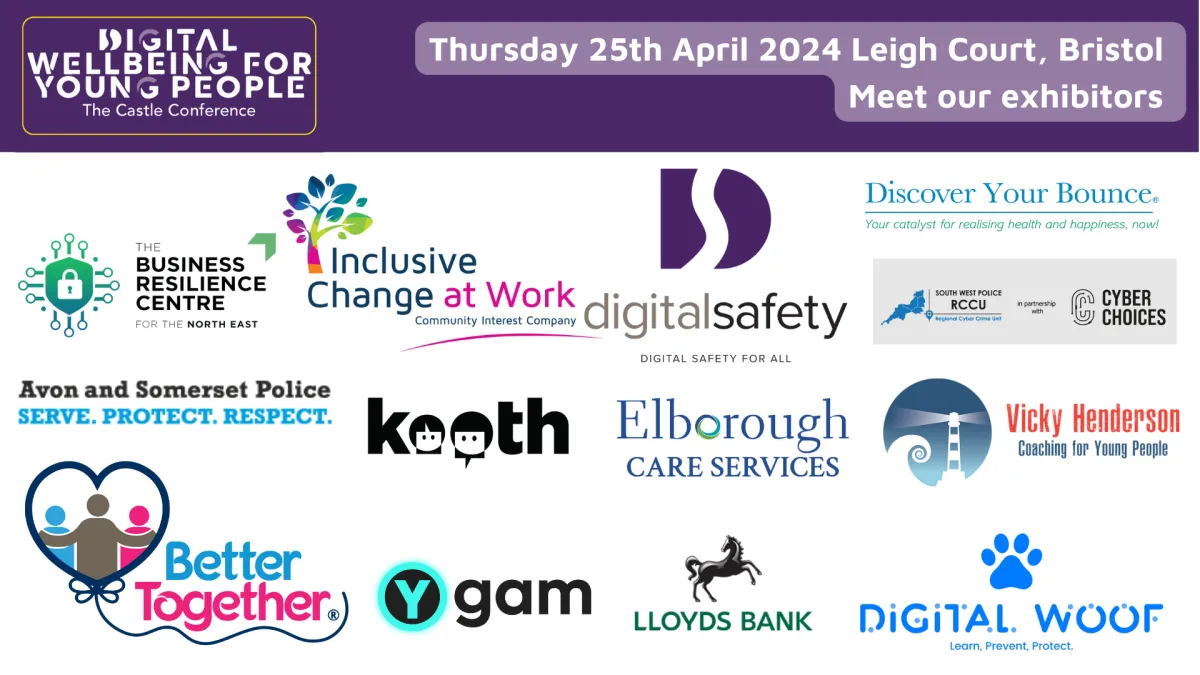
Exhibitor Information
We think you will agree that our exhibitors contributed so much to the event.
We know that we can tackle the problems we face alone - which is why we love working with others.
Thank you - you made the day INCREDIBLE!
Inclusive Change At Work CiC
Bradbury House
Wheatfield Road
Bradley Stoke
Bristol
BS32 9DB
Companies House: 13271923
ICO registration: ZZB293922
UK register of Learning providers
UKRLP: 10090653
Privacy Policy | Terms and Conditions
Copyright © 2024 Inclusive Change At Work CiC | All Rights Reserved
LinkedIn