Thank you for helping to
Keep the conversation going
Here are some ways we can help you.
We hope you enjoyed The Castle Conference: Digital Wellbeing for Young People.
We know you want to keep the conversation going so we have created a page to help you do that.
The page will be updated with slides and videos when they are available.
Digital Safety Training & Consultancy
Digital Safety can provide a range of training services and consultancy. From one cyber security for non-profits to training for parents in your community.

Inclusive Change Support and Training
Want to know more about neurodiversity in your community? We can help: from unlocking the potential in your teams to deepening awareness of safeguarding vulnerable people.
Watch the Castle Conference Catch Up
We hope that The Castle Conference inspired you, got you thinking and talking about the topic of Digital Wellbeing. We really hope you have been talking about the conference to your friends, family and colleagues.
We certainly are and we arranged it!
The Castle Conference Catch-Up was a chance to keep talking, a chance to share your thoughts, a chance to find out what questions we have been asked since the day and a chance to ask us new questions.
Andy & Lucy
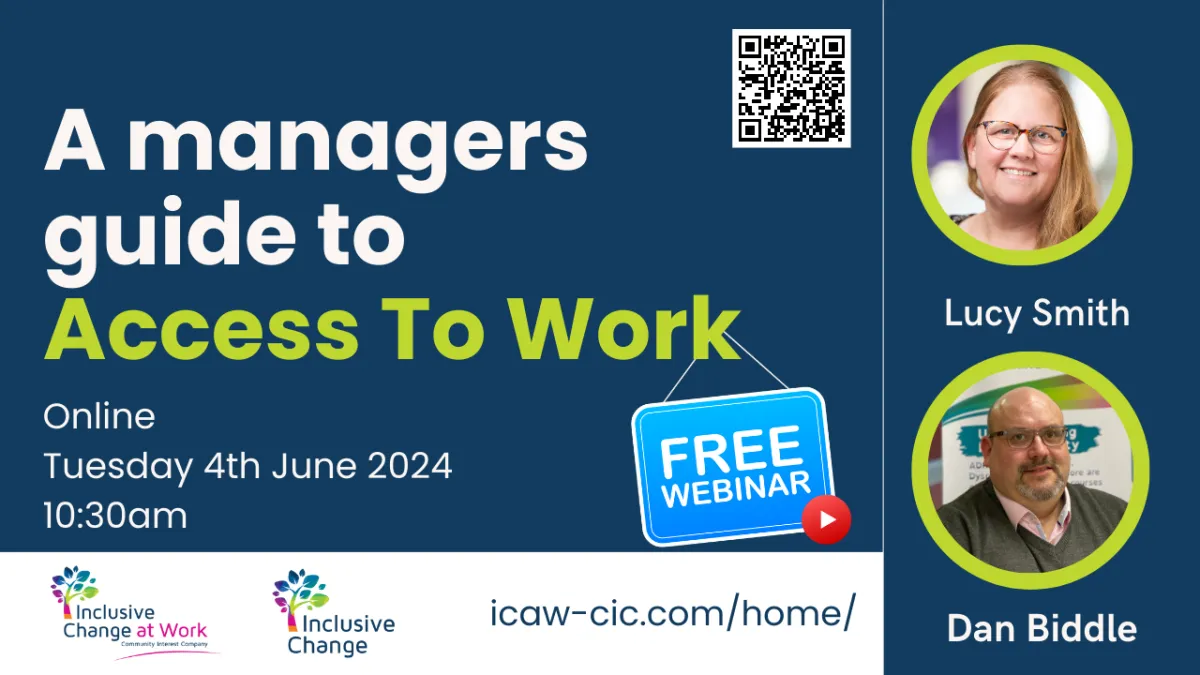
4th June 2024
Free Webinar
Join Lucy & Dan from Inclusive Change At Work CIC who will be discussing how to support disabled and neurodivergent employees to thrive at work.
Recap from the event
We have combined the slides into a video for you to rewatch
This is only the slides - no audio. Videos will be uploaded soon.
Speaker Videos
We will be uploading videos from The Castle Conference as soon as they are available.
COMING SOON!
Resources
Links and downloads for you
Watch or listen online to our podcasts

Spotify Podcast
Listen to our speakers and exhibitors

Reasonable Adjustments for Neurodivergent Employees: Practical Workplace Support
Reasonable Adjustments for Neurodivergent Employees: Practical Examples That Actually Help
Reasonable adjustments are one of the most talked about parts of workplace neurodiversity, but also one of the most misunderstood.
Many employers genuinely want to support neurodivergent employees, yet still feel unsure about:
what adjustments actually look like in practice
what is considered “reasonable”
how to balance support with performance and accountability
where to start without overcomplicating things
The reality is, most neurodivergent employees do not need huge workplace changes. Often, the biggest difference comes from small practical adjustments that reduce unnecessary pressure, confusion or overwhelm.
The challenge is knowing which adjustments will actually help.
At Inclusive Change, we regularly work with organisations where behaviours are being misunderstood, support conversations feel uncomfortable, or managers are unsure whether they are dealing with a performance issue or an unmet need.
That uncertainty can lead to frustration on all sides.
What Are Reasonable Adjustments?
Reasonable adjustments are changes made to reduce barriers at work for disabled employees, including many neurodivergent employees.
In practice, this could relate to:
communication
workload management
workplace environments
meetings
processing information
flexibility
routines and transitions
The important thing is that adjustments should relate to the actual barriers someone is experiencing at work, not assumptions about a diagnosis.
Why Adjustments Matter
Without the right support, small workplace difficulties can quickly become larger issues.
What might initially look like:
disengagement
missed deadlines
poor communication
forgetfulness
resistance to change
emotional reactions under pressure
These signals may actually be signs that someone is struggling with unclear expectations, sensory overwhelm, competing demands or workplace stress.
This is where many managers lose confidence. They want to support staff fairly, but they also need teams to perform effectively.
That is why practical conversations matter.
The Most Effective Adjustments Are Often Simple
Many workplace adjustments are low-cost and straightforward to implement.
Sometimes, small changes to communication, structure or the working environment can make a significant difference to:
focus
consistency
wellbeing
confidence
reliability
team relationships
The difficulty is not usually finding adjustments. It is knowing:
when support is appropriate
how to start the conversation
what questions to ask
how to avoid making assumptions
how to review whether adjustments are actually helping
One Size Does Not Fit All
There is no universal list of adjustments that works for every neurodivergent employee.
Two people with the same diagnosis may need completely different support.
That is why effective workplaces move away from labels alone and focus instead on:
the work itself
the barriers someone is facing
what practical changes may help reduce friction
The most successful organisations build manager confidence so conversations feel supportive, clear and workable, rather than awkward or reactive.
Moving From Awareness to Action
Understanding neurodiversity is one thing. Applying it in everyday management situations is something else entirely.
Our workshop, Red Flags or Reasonable Adjustment?, helps organisations move beyond awareness and into practical action.
The session explores:
how workplace behaviours are often misread
when a “red flag” may actually indicate unmet needs
how to approach adjustment conversations confidently
practical ways to reduce pressure and improve reliability
how to create fair, workable support without lowering standards
Participants leave with practical frameworks, realistic workplace examples and tools they can apply immediately in day-to-day management conversations.
The workshop is suitable for:
managers
HR teams
people leaders
occupational health teams
organisations wanting to build healthier, high-performing teams
Available online or in person.
Find Out More
To learn more about the course:
Or contact us to discuss tailored workplace neurodiversity training for your organisation.

Get Your FREE eBook
A Practical guide to Simplify your Digital Life
Digital Safety CIC - Online Resources
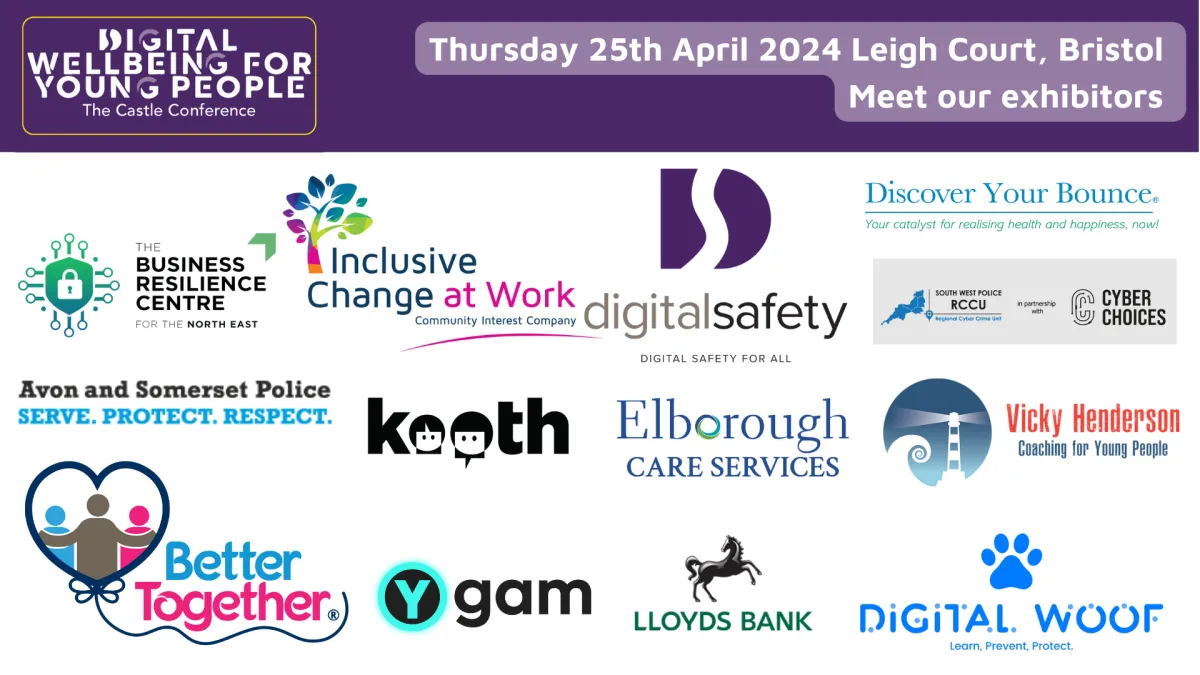
Exhibitor Information
We think you will agree that our exhibitors contributed so much to the event.
We know that we can tackle the problems we face alone - which is why we love working with others.
Thank you - you made the day INCREDIBLE!
Inclusive Change At Work CiC
Bradbury House
Wheatfield Road
Bradley Stoke
Bristol
BS32 9DB
Companies House: 13271923
ICO registration: ZZB293922
UK register of Learning providers
UKRLP: 10090653
Privacy Policy | Terms and Conditions
Copyright © 2024 Inclusive Change At Work CiC | All Rights Reserved
LinkedIn